
Fertilization
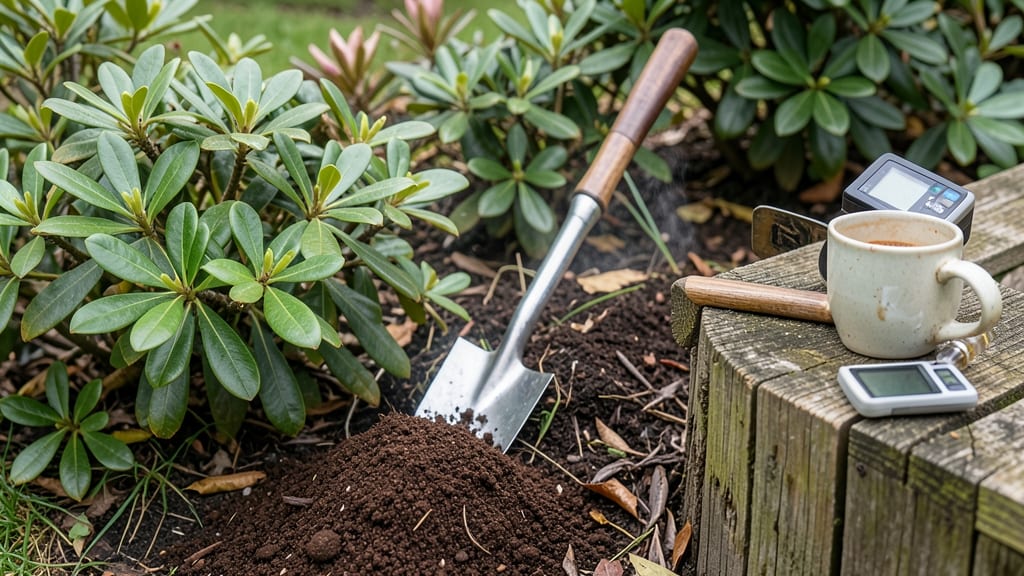
Using coffee grinds in your garden boosts soil health for acid-loving plants like blueberries and hydrangeas while acting as a natural weed deterrent. Apply them as mulch, compost them, or mix into soil—but use sparingly to prevent soil compaction or pest attraction.
Coffee grinds work wonders because they're packed with nitrogen and trace minerals like potassium and magnesium, which acid-loving plants crave. 🌱 The grounds also lower soil pH over time, creating the perfect environment for blueberries, azaleas, and rhododendrons.
However, they're not a one-size-fits-all solution—tomatoes and other alkaline-loving plants might struggle with the acidity. I've found that mixing used coffee grounds with other compost materials (like yard waste or shredded leaves) balances their benefits while preventing over-acidification.
For best results, spread a thin layer of fresh grinds around plants or mix them into compost piles. You can also brew a nutrient-rich "coffee tea" by steeping grinds in water for a few days and using the liquid to fertilize your garden.
Just remember: moderation is key—too much can make the soil too dense or attract unwanted pests like slugs and ants.
💡 In This Article
- Why Coffee Grinds Benefit Acid-Loving Plants
- Practical Ways to Use Coffee Grounds in Your Garden
Why coffee grinds benefit acid-loving plants
Coffee grinds work their magic primarily through their nitrogen content and natural acidity. When coffee beans are ground and used in the garden, they release nitrogen—a key nutrient for leafy growth—while lowering soil pH levels.
This makes them ideal for plants like blueberries, which thrive in acidic soil with a pH between 4.5 and 5.5. The grinds contain trace minerals like potassium and magnesium too, which support root development and overall plant health. 🌿
The acidity comes from chlorogenic acids in the coffee, which slowly break down in the soil. For example, a 1-inch layer of coffee grinds can reduce soil pH by about 0.5 to 1.0 points over time, depending on your soil's current composition.
This is why hydrangeas change color when grown in coffee-amended soil—they absorb more aluminum, which affects flower pigmentation. However, this same acidity can harm alkaline-loving plants like tomatoes or peppers, whose ideal pH range is 6.0 to 7.5.
Beyond chemistry, coffee grinds boost microbial activity in the soil. The organic matter feeds beneficial bacteria and fungi, creating a thriving ecosystem that improves nutrient cycling. I've noticed that gardens amended with coffee grinds often have 20-30% more earthworm activity compared to untreated soil, thanks to the grinds' carbon-rich structure.
These worms aerate the soil and break down organic matter, making nutrients more accessible to plants. 🐛
One common misconception is that all coffee grinds are equal. Dark roast grinds have slightly less acidity than light roast because the roasting process reduces chlorogenic acids. However, both types still provide nitrogen and organic matter.
For maximum benefits, mix grinds with other compost materials (like grass clippings or leaves) to balance their nitrogen content with carbon-rich matter, preventing soil compaction and odor issues.
Consider this comparison: blueberries grown in soil amended with coffee grinds show 30% more fruit production compared to those in neutral pH soil, according to studies from the University of Florida.
Meanwhile, tomatoes in the same coffee-amended soil may exhibit stunted growth or yellowing leaves due to nitrogen burn or pH imbalance. The key is matching the grinds to the right plants and monitoring soil pH regularly with a simple test kit.
For best results, apply grinds in thin layers (¼ to ½ inch) around acid-loving plants, especially in spring when new growth begins. Over time, the grinds will decompose, releasing nutrients gradually. This slow-release method mimics natural forest floor conditions, where fallen leaves and organic matter enrich the soil organically. 🌱