
Planting
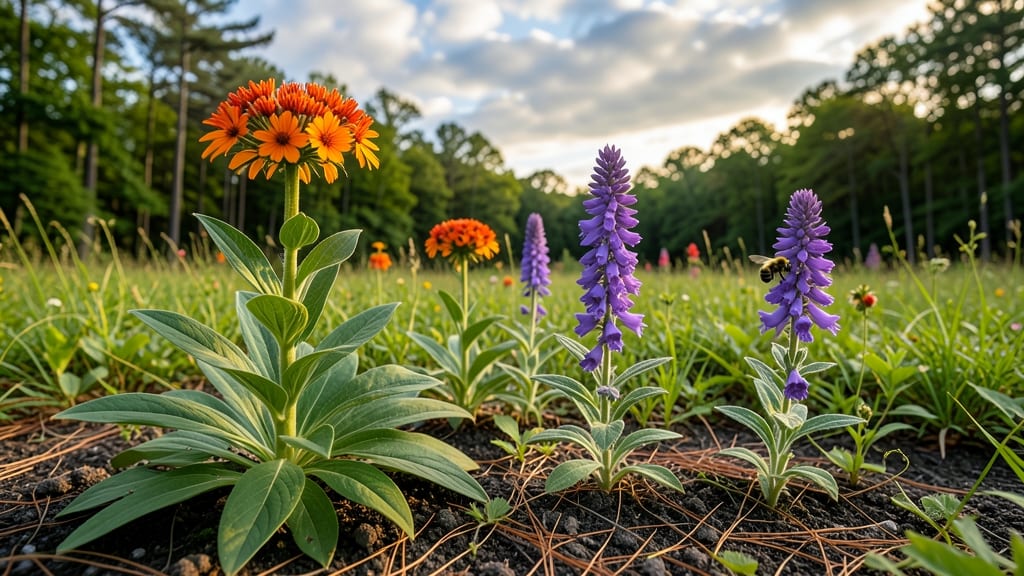
Cincinnati's gardening zone is USDA Hardiness Zones 6a to 6b, with average winter lows between -10°F and 0°F (-23°C to -18°C). These zones determine which plants can survive Cincinnati's cold winters, so always check your exact location on the USDA Plant Hardiness Zone Map before selecting perennials or frost-sensitive plants.
Understanding your gardening zone helps you choose plants that thrive in Cincinnati's climate. The 6a-6b range means you can grow a wide variety of perennials, shrubs, and trees that handle winter temperatures down to -10°F.
For example, cold-hardy plants like peonies, lavender, and serviceberry trees flourish here, while tropical plants like citrus need winter protection or container growing. 🌱 The USDA map accounts for average annual minimum temperatures, but Cincinnati's urban areas can experience slightly warmer microclimates due to pavement and buildings retaining heat.
To maximize your garden's success, test your specific microclimate by monitoring frost dates and temperature variations. Areas near the Ohio River may stay slightly warmer in winter, while elevated spots can experience earlier frosts.
Adjusting plant placement—like using windbreaks for exposed areas or shade for heat-sensitive varieties—can make a big difference in survival rates.
💡 In This Article
- How Cincinnati’s USDA Zone 6a-6b Affects Plant Selection
- Microclimate Adjustments for Cincinnati Gardens
How Cincinnati’s USDA Zone 6a-6b affects plant selection
Cincinnati’s Zone 6a-6b classification means your garden can handle winter lows of -10°F to 0°F (-23°C to -18°C), but the real magic happens in how this range shapes your growing season.
The last spring frost typically arrives around mid-April, while the first fall frost hits by mid-October, giving you roughly 180 frost-free days—plenty for warm-season crops like tomatoes and peppers.
This zone also explains why certain perennials thrive: plants like black-eyed Susans and Russian sage return year after year, while tropical hibiscus needs winter protection or container growing.
The USDA map’s temperature thresholds directly impact plant survival. For instance, Zone 6a’s -10°F minimum allows cold-hardy trees like redbuds (Zone 4) to thrive, while Zone 6b’s 0°F limit pushes the boundary for camellias (Zone 7), which may struggle in colder pockets of the city.
The key is matching a plant’s hardiness rating to your specific microclimate—check the USDA map’s 10°F increments to avoid overestimating your garden’s resilience. 🌿 For example, a Zone 5 plant like potentilla might survive in Cincinnati’s milder urban pockets, but Zone 7 azaleas risk winter damage in rural areas.
Your plant selection should also account for Cincinnati’s hot, humid summers, which can stress heat-sensitive varieties. While Zone 6b’s upper limit allows for more heat-tolerant plants like crape myrtle (Zone 7), pairing them with afternoon shade is crucial.
Meanwhile, cool-season crops like broccoli and spinach benefit from Cincinnati’s moderate spring/fall temperatures, which average 50-70°F (10-21°C)—ideal for germination and growth without extreme heat stress.
Here’s how to translate these zones into actionable choices:
- Cold-hardy perennials: Coneflowers (Zone 3-9), catmint (Zone 4-8), and bee balm (Zone 3-9) thrive in Zone 6’s winters and bloom prolifically.
- Trees and shrubs: Serviceberry (Zone 4-7) and smoke bush (Zone 4-8) offer year-round interest, while Japanese maples (Zone 5-8) add seasonal color without winter dieback.
- Annuals for heat: Black-eyed Susans (Zone 3-9) and salvia (Zone 6-10) handle Cincinnati’s summers better than tropical alternatives.
What most gardeners overlook is how soil temperature interacts with these zones. Cincinnati’s clay-heavy soils warm slowly in spring, delaying planting for cool-loving crops like peas and lettuce. Use a soil thermometer to confirm 50°F (10°C) before sowing—this is often 2-3 weeks after the last frost date.
For heat-loving plants like okra, wait until soil reaches 70°F (21°C), typically by early June.
Pro tip: Test your garden’s microclimate extremes by planting tender perennials like cannas (Zone 7-10) in containers. If they survive winters, your zone is likely closer to 6b or even 7a. If not, you’re in a colder 6a pocket—adjust your plant choices accordingly. 🌱