
Vegetables
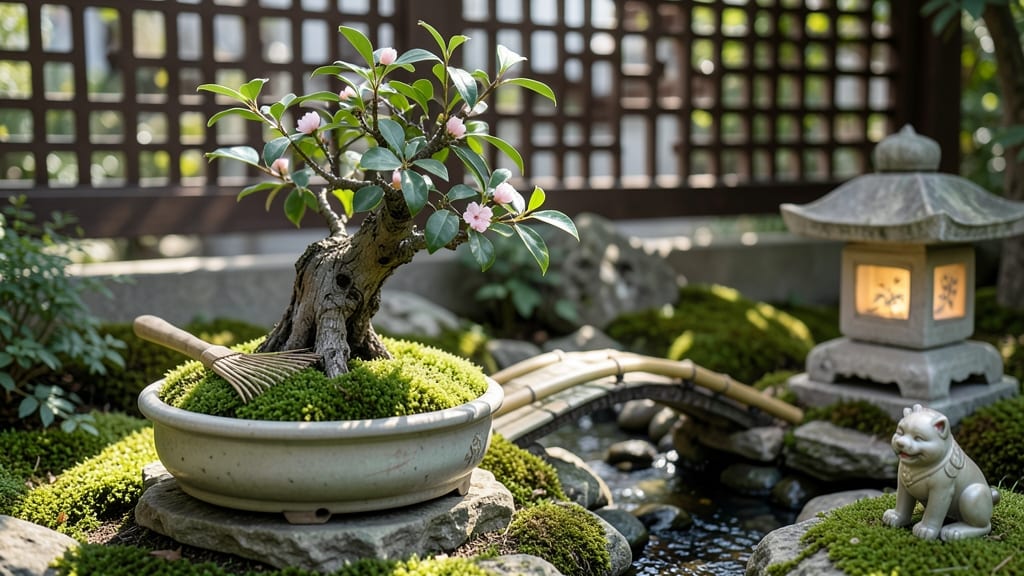
The Chinese Scholar Garden on Staten Island offers a peaceful 1.5-acre escape showcasing Ming Dynasty-inspired architecture, tranquil koi ponds, and beautifully maintained bonsai displays alongside vibrant orchids and seasonal flowers like peonies and azaleas. Among its standout features are the iconic moon gate, a serene scholar’s study, and a hidden tea house surrounded by diverse plantings.
The Chinese Scholar Garden on Staten Island isn't just a botanical escape—it's a living classroom in classical Chinese horticulture. 🌿 Designed to reflect Ming Dynasty principles, every element from the curved bridges to the strategically placed rocks carries symbolic meaning, while the garden's layout creates a harmonious flow that invites contemplation.
What makes it special is how it blends these traditions with Staten Island's climate, featuring hardy winter conifers alongside delicate spring ephemerals that transform the landscape through every season.
Beyond its visual beauty, the garden serves as a cultural bridge, offering seasonal workshops that let visitors learn traditional techniques like bonsai pruning or tea ceremony etiquette. 🍵 The timing of these events aligns perfectly with the garden's natural cycles—imagine participating in a moon-viewing festival during autumn's peak foliage or a cherry blossom appreciation workshop in spring.
This thoughtful integration of education and nature creates an experience that's both enriching and uniquely Staten Island.
💡 In This Article
- Traditional Chinese Garden Design Principles in Staten Island’s Scholar Garden
- Best Times to Visit for Peak Plant and Event Experiences
Traditional Chinese garden design principles in Staten Island’s scholar garden
The garden’s layout follows yin-yang harmony, a core principle where every element—water, rock, plant, and structure—balances opposing forces. The 1.5-acre site mirrors classical Ming Dynasty gardens by using curved pathways that guide visitors through "borrowed landscapes," creating a sense of limitless space despite the compact footprint.
The koi ponds (about 10 feet wide) serve dual purposes: they symbolize prosperity while their gentle ripples mask urban noise from nearby streets, enhancing tranquility.
Rock formations here aren’t random—they’re carefully selected for their geological symbolism. The scholar’s study sits near a 3-foot-tall granite formation shaped like a reclining dragon, representing wisdom and protection.
Meanwhile, the moon gate (a 6-foot-high wooden arch) frames views of the garden’s center, embodying the Chinese concept of framing nature through architecture.
Even the bonsai trees (some over 100 years old) follow pruning techniques that mimic natural growth patterns, like the jin (root-over-rock) style seen near the tea house.
Plant selection adapts Staten Island’s USDA Zone 7b climate while staying true to tradition.
Winter Japanese black pines (Pinus thunbergii) provide vertical structure when deciduous trees lose leaves, while spring peony bushes (Paeonia lactiflora) bloom for 3-4 weeks with 10-inch-wide flowers—a nod to China’s King of Flowers status.
The garden’s orchid collection (over 50 varieties) thrives in the 60-75°F greenhouse, showcasing how modern horticulture preserves ancient botanical traditions.
Water plays a central symbolic role in Chinese gardens, representing flow and continuity. The koi ponds feature three waterfalls (each 2-3 feet tall) that mimic natural streams, while the stone bridges (like the 3-meter-long arched bridge) symbolize transitions between life stages.
Even the tea house’s roof design—with upturned eaves—channels rainwater away while paying homage to Ming Dynasty temple architecture. This attention to detail creates a space where every visit feels like stepping into a living scroll painting. 🌿
What’s particularly ingenious is how the garden uses seasonal layering to maintain visual interest year-round. In winter, evergreen azaleas (Rhododendron obtusum) provide color, while spring brings cherry blossoms (Prunus serrulata) that bloom for just 7-10 days—a fleeting reminder of nature’s impermanence.
Summer’s lotus blooms (Nelumbo nucifera) rise from the ponds for 6-8 weeks, their 12-inch-wide flowers symbolizing purity. This careful planning ensures the garden never feels static, even in Staten Island’s humid summers (75-85°F) and cold winters (25-35°F).
The tea house demonstrates another key principle: human-scale intimacy. Its 8-foot-square floor plan fits just 4-6 people, encouraging quiet reflection—a direct contrast to the garden’s larger open spaces. Inside, the hand-painted murals depict Ming Dynasty scholars and mountain landscapes, reinforcing the garden’s educational mission.
This blend of micro and macro spaces mirrors how traditional Chinese gardens were designed for both contemplation and social gatherings, adapted seamlessly to Staten Island’s urban setting.
For visitors, the most rewarding aspect is how these principles create an immersive experience. The curved pathways encourage slower exploration, while the strategic placement of rocks and water guides your eye toward focal points like the scholar’s study.
Even the scent trails—like jasmine near the entrance or osmanthus by the tea house—are intentional, using fragrance to mark transitions between garden zones.
This thoughtful design ensures every visit feels like discovering something new, whether it’s the first peony bloom of spring or the golden hues of autumn maples. 🍃