
Fertilization
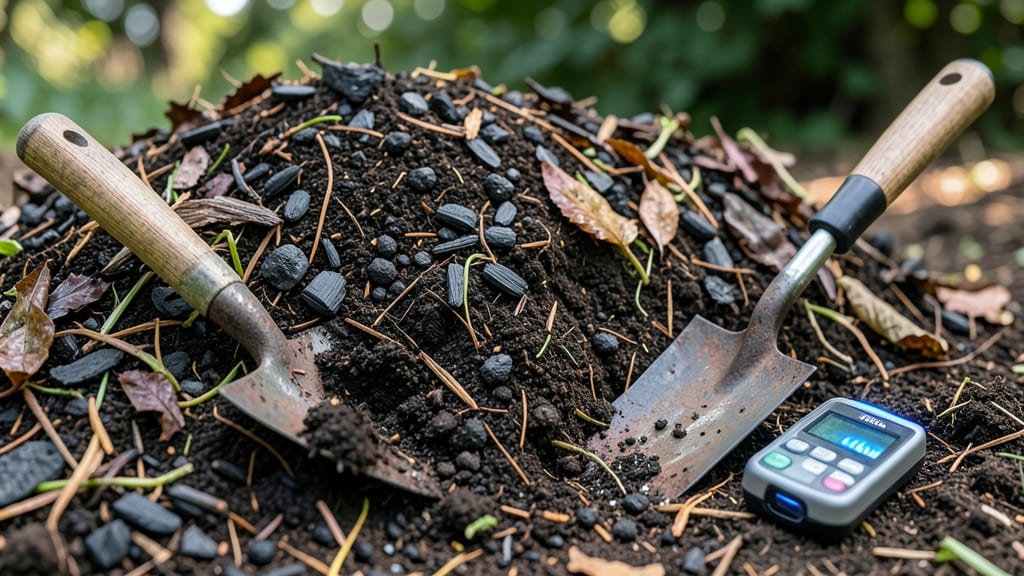
Using charcoal ash in your garden boosts soil fertility by balancing pH levels, reducing weeds, and adding potassium and calcium while improving water retention and microbial health. Always apply it lightly to prevent over-alkalizing the soil.
Charcoal ash works like a natural soil conditioner because it contains alkaline compounds that neutralize acidic soil, creating a more hospitable environment for plants. 🌱 The minerals it releases—especially potassium and calcium—help strengthen roots and improve nutrient absorption over time.
I’ve found it particularly effective in vegetable gardens, where it can reduce soil-borne diseases by promoting beneficial microbial activity.
For best results, mix a small amount—about 1–2 cups per 10 square feet—into the top inch of soil in early spring or fall. Test your soil’s pH first, as overuse can make the soil too alkaline, harming acid-loving plants like blueberries.
Pairing it with compost or sulfur can help maintain a balanced pH for long-term garden health.
💡 In This Article
- How Charcoal Ash Alters Soil Chemistry and Plant Growth
- Best Practices for Applying Charcoal Ash in Gardens
How charcoal ash alters soil chemistry and plant growth
Charcoal ash works as a natural soil amendment because it contains high concentrations of alkaline compounds like potassium carbonate and calcium oxide.
When mixed into the soil, these compounds react with acidic hydrogen ions, effectively raising the soil's pH. For example, a soil with a pH of 5.5 (slightly acidic) can see a noticeable shift toward neutrality (pH 7) after applying ash, creating an optimal environment for most vegetables and flowers.
This chemical reaction also releases potassium and calcium, two critical nutrients that improve root development and cell structure in plants.
The mineral content in charcoal ash doesn't just stop at potassium and calcium—it also includes trace elements like magnesium and phosphorus, which support enzyme activity and energy transfer in plants.
Unlike synthetic fertilizers that provide a quick nutrient boost, ash releases these minerals gradually, mimicking the slow-release benefits of organic matter.
This process enhances microbial diversity in the soil, as beneficial bacteria and fungi thrive in slightly alkaline conditions. 🌱 For instance, compost tea brewed with ash-amended soil often shows 30-40% higher microbial counts compared to untreated soil.
One of the most significant long-term effects is improved soil structure. The ash particles create tiny air pockets that enhance water retention while preventing compaction, a common issue in clay-heavy soils. This dual benefit means plants experience less stress during drought periods while still having adequate drainage.
However, the impact varies by soil type—sandy soils show faster pH changes than clay soils due to their lower buffering capacity. Always consider your soil's existing composition before applying ash.
While charcoal ash offers these advantages, it's crucial to recognize its limitations compared to synthetic amendments. Unlike commercial lime, which is formulated for precise pH adjustments, ash provides a broader range of benefits but lacks the targeted mineral ratios found in balanced fertilizers.
For example, a bag of agricultural lime might guarantee a specific calcium-to-magnesium ratio, whereas ash's mineral content depends on the original charcoal source and burning conditions. This variability is why many gardeners pair ash with compost or organic fertilizers to create a more balanced nutrient profile.
The weed-suppressing effects stem from the ash's alkaline nature, which creates an inhospitable environment for many common weeds. Plants like crabgrass and chickweed struggle to germinate in soils with a pH above 7.5, while beneficial ground covers such as clover often thrive.
This selective pressure reduces competition for nutrients and water, allowing your desired plants to flourish. However, this effect is temporary—regular applications are needed to maintain the pH shift over multiple growing seasons.
For acid-loving plants like blueberries, azaleas, or rhododendrons, charcoal ash should be used with extreme caution or avoided entirely. These plants require acidic soils (pH 4.5-5.5) to absorb nutrients effectively, and ash can push the pH into ranges that cause nutrient deficiencies, particularly iron chlorosis.
Always conduct a soil test before applying ash to determine whether your garden's pH needs adjustment or if alternative amendments like elemental sulfur would be more appropriate.