
Fertilization
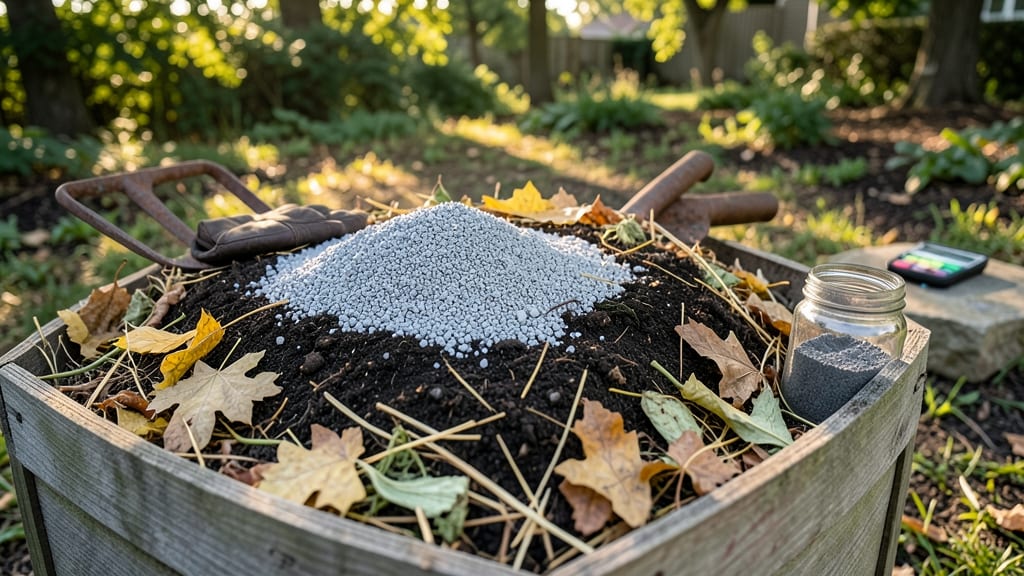
You can use charcoal ashes in your garden safely when applied properly, as they improve soil pH balance, deter weeds, and enhance drainage while adding valuable minerals like calcium and magnesium. Use only food-grade charcoal and test your soil's acidity first to prevent over-alkalization.
Charcoal ashes act as a natural soil amendment by neutralizing acidic conditions, which benefits plants that thrive in slightly alkaline environments like beans, squash, and most vegetables. 🌱 The porous structure also helps break down compacted soil, improving root penetration and water retention.
However, acid-loving plants such as blueberries or azaleas may struggle—always monitor your garden's pH after application to maintain optimal growing conditions.
For best results, sprinkle a thin layer (about 1/4 inch) over the soil surface in early spring or after harvesting, avoiding direct contact with plant stems. Mixing them into the top 2-3 inches of soil works even better for established beds.
Remember, a little goes a long way—too much can create a harsh alkaline environment that harms delicate plants.
💡 In This Article
- How Charcoal Ashes Improve Soil Health and Plant Growth
- Step-by-Step Guide: Applying Charcoal Ashes Safely in Gardens
How charcoal ashes improve soil health and plant growth
The magic of charcoal ashes in your garden starts with their chemical composition. When burned properly, charcoal contains high levels of calcium carbonate (around 10-20% by weight) and potassium, which react with acidic soil components to raise pH levels.
This process works because the alkaline minerals in the ashes neutralize hydrogen ions in acidic soil, creating a more balanced environment for nutrient uptake. 🌱 Think of it like adding a pinch of baking soda to a sour drink—it balances the acidity without overpowering the flavor.
These ashes also boost what soil scientists call "cation exchange capacity" (CEC), which measures how well soil can hold onto essential nutrients like nitrogen, phosphorus, and potassium. A higher CEC means plants have better access to these nutrients over time, especially in sandy soils that drain quickly.
In contrast, clay soils already hold nutrients well, so the benefits are more subtle but still valuable for improving drainage and aeration. The porous structure of charcoal particles creates tiny air pockets that help roots breathe, reducing compaction.
One of the most immediate benefits is weed suppression. The high pH created by charcoal ashes creates an inhospitable environment for many common weeds, which prefer slightly acidic conditions. You'll notice fewer dandelions and crabgrass popping up after application, giving your desired plants a competitive edge.
The ashes also break down organic matter more efficiently, releasing nutrients gradually rather than in a sudden flush that can burn plants.
However, not all plants benefit equally. Acid-loving species like blueberries, azaleas, and potatoes may struggle if the soil becomes too alkaline (pH above 7.0). These plants have evolved to thrive in acidic conditions, so their roots can't absorb nutrients effectively in alkaline soil.
That's why it's crucial to test your soil's pH before applying charcoal ashes—most garden soils benefit from a slight pH increase to around 6.5-7.0, but every garden is different.
Consider this comparison: A 100-square-foot garden bed with acidic soil (pH 5.5) might need about 2-3 pounds of charcoal ashes spread evenly to raise the pH by 0.5-1.0 points. The effects are most noticeable in vegetable gardens where pH-sensitive crops like tomatoes, peppers, and beans grow.
These plants thrive in slightly alkaline conditions and show improved growth, fruit production, and disease resistance when the soil pH is optimized.
What most gardeners don't realize is that charcoal ashes also help prevent nutrient lockout. In acidic soils, essential minerals like phosphorus and calcium become unavailable to plants because they bind to iron and aluminum compounds.
The alkaline nature of charcoal ashes releases these locked-up nutrients, making them accessible to plant roots. This dual action—raising pH while unlocking nutrients—explains why many gardeners see visible improvements in plant vigor after just one application. 💫