
Plants
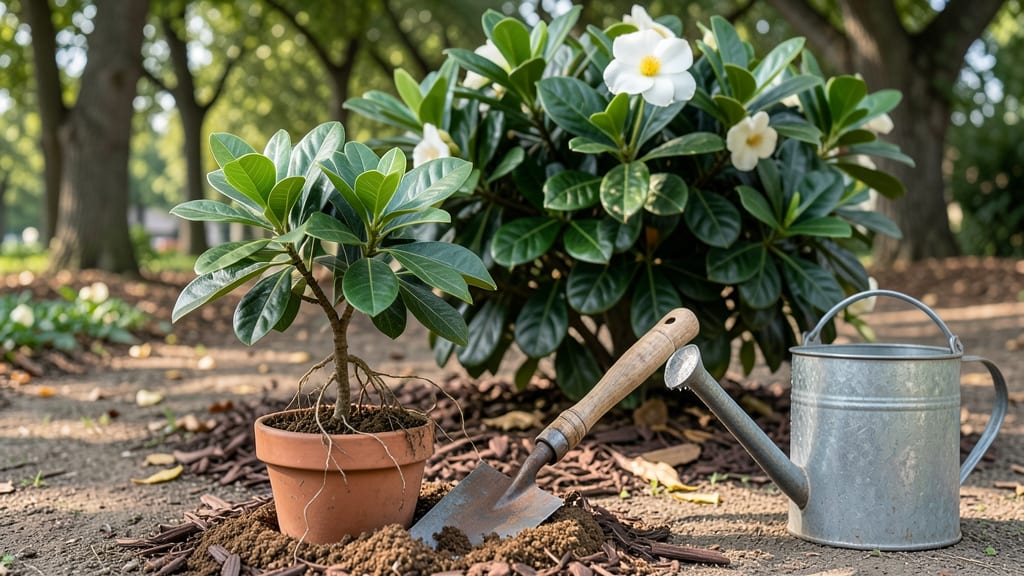
You can plant gardenia outside in warm climates where temperatures stay above freezing, ideally in USDA zones 7-11, with well-draining soil and partial shade to protect from harsh sunlight and frost.
Gardenias thrive outdoors when you replicate their natural tropical environment.
These fragrant plants are sensitive to cold—even brief exposure to temperatures below 32°F can cause irreversible damage. 🌿 In zones 7-11, gardenias flourish year-round with proper care, but gardeners in colder regions often grow them as container plants that can be moved indoors during winter.
The key is mimicking their native conditions: high humidity, slightly acidic soil (pH 5.0-6.5), and protection from intense afternoon sun that can scorch their delicate leaves.
When planting outdoors, focus on well-draining soil mixed with organic matter like compost or peat moss. Gardenias hate soggy roots, so raised beds or containers with drainage holes work beautifully. For sunlight, aim for morning sun with afternoon shade—this balances their need for light while preventing leaf burn.
I've found that placing them near shrubs or under a patio awning creates the perfect microclimate for these finicky beauties.
💡 In This Article
- Optimal USDA Zones and Climate Conditions for Outdoor Gardenias
- Preparing Soil and Location for Outdoor Gardenia Success
Optimal USDA zones and climate conditions for outdoor gardenias
Gardenias evolved in tropical and subtropical regions of Asia, where temperatures rarely drop below 50°F and humidity stays consistently high. The plant's thick, waxy leaves help conserve moisture, but this adaptation also makes them highly sensitive to cold.
When temperatures fall below 32°F, the plant's cellular structure begins to freeze, causing irreversible damage to the delicate flower buds and leaves. This is why USDA zones 7-11—where winter lows typically stay above 10°F—create the perfect environment for outdoor gardenias to thrive year-round.
The science behind this sensitivity lies in the plant's water transport system. Gardenias use a specialized tissue called xylem to move water from roots to leaves, but cold temperatures cause ice crystals to form in these vessels, disrupting the flow.
In zones 7-11, the mild winters prevent this damage while providing enough seasonal variation to trigger healthy flowering cycles. For example, in zone 9 (where I've grown gardenias), the cool winter nights actually enhance flower production, while the warm days maintain vigorous growth.
The key is avoiding prolonged exposure to 40°F or below, which can cause bud drop and leaf discoloration.
Humidity plays an equally critical role in gardenia health. These plants thrive in environments with 50-70% relative humidity, mimicking their native tropical habitats.
In drier climates like zone 10, you'll need to supplement with regular misting or a nearby water feature to prevent leaf edges from turning brown—a classic sign of dehydration. I've noticed that gardenias in containers dry out faster than in-ground plants because the soil loses moisture more quickly.
Using a humidity tray or placing the pot on a bed of pebbles with water creates a microclimate that keeps the air around the plant consistently moist.
Wind protection is another often-overlooked factor. While gardenias need good air circulation to prevent fungal diseases, strong winds can desiccate their leaves and damage flower buds. In coastal areas of zone 11, where I've seen gardenias struggle, the combination of salt spray and wind creates additional stress.
Planting near a windbreak like a fence or hedge reduces this risk while still allowing gentle airflow. For container gardenias, moving them to a sheltered location during windy periods can make all the difference in maintaining their lush, glossy foliage.
Seasonal temperature fluctuations also influence gardenia performance. In zone 8, where winters occasionally dip below 30°F, gardenias often require winter protection like burlap wraps or frost cloths. The plant's metabolic processes slow down in cooler weather, making it more vulnerable to cold damage.
Understanding this seasonal rhythm helps gardeners time their care appropriately—fertilizing lightly in early spring to stimulate new growth, for example, rather than overfeeding when the plant is dormant.
What most gardeners don't realize is that gardenias actually benefit from some temperature variation. The contrast between warm days and cool nights in zones 7-9 helps trigger the hormonal changes that lead to abundant flowering.
In my experience, gardenias in zone 10 that never experience temperatures below 60°F often produce fewer blooms because this natural cycle is disrupted. The key is providing enough warmth to sustain growth while allowing for these gentle seasonal shifts that stimulate flowering.