
Vegetables
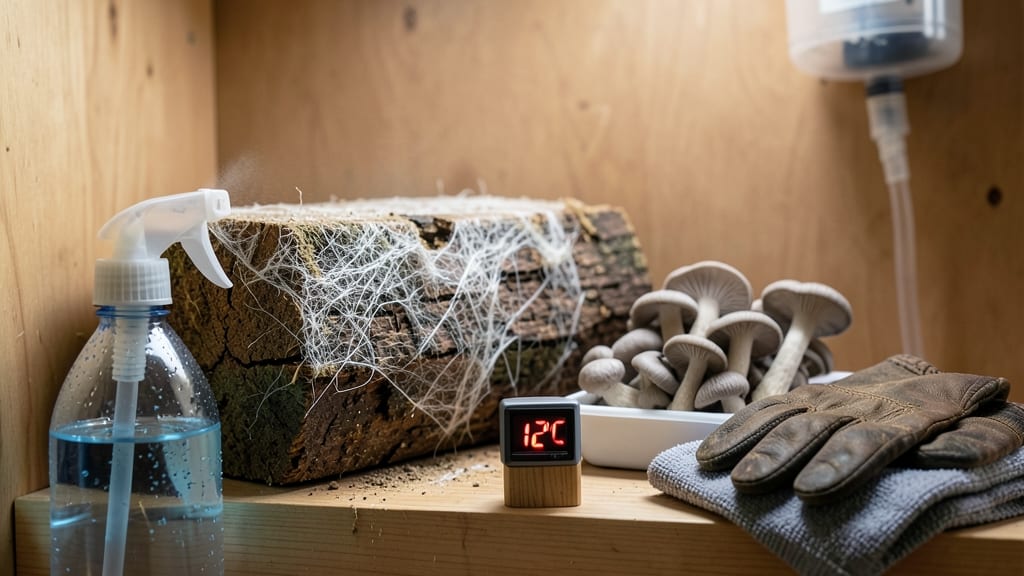
Yes, mushrooms can be shocked in a garden grow setup by subjecting them to brief cold exposure (35–45°F) for 12–24 hours, which can kickstart fruiting in dormant mycelium or revive stalled growth—but be cautious, as sensitive varieties like oyster or shiitake may perish from improper chilling.
This cold treatment mimics seasonal temperature shifts that mushrooms experience in nature, effectively "waking up" dormant mycelium networks. 🌱 The process works best for temperate species like lion's mane or wine cap, which respond well to stress-induced fruiting signals.
However, tropical mushrooms often struggle with chilling, so always research your specific variety before attempting this technique.
For optimal results, maintain humidity levels above 85% during the shock period and avoid sudden temperature swings afterward. I’ve found that a gradual return to room temperature helps prevent stress-related failures in the mycelium.
💡 In This Article
- How Cold Shock Triggers Mushroom Fruiting Mechanisms
- Step-by-Step Cold Shock Protocol for Garden Growers
How cold shock triggers mushroom fruiting mechanisms
Cold shocking works because it mimics the natural seasonal temperature shifts mushrooms experience in the wild. When mycelium encounters a sudden drop to 35–45°F, it perceives this as an environmental stress signal—similar to how trees drop leaves before winter.
This triggers a cascade of biochemical responses, including the production of fruiting hormones like trehalose and glycogen, which break dormancy and stimulate pinning (the formation of mushroom primordia). 🌡️ In temperate species like lion’s mane or wine cap, these hormones activate within 12–24 hours of cold exposure.
The key mechanism involves protein synthesis disruption—cold stress alters the expression of genes responsible for mycelial growth, redirecting energy toward reproductive structures.
For example, research shows that shiitake mycelium increases its production of laccase enzymes during cold shock, which are critical for breaking down complex carbohydrates into simple sugars needed for fruiting bodies. Tropical species, however, lack this adaptive response, making them far more vulnerable to cold damage.
Humidity plays a critical role in this process because cold air holds less moisture. During a shock, maintaining 85–95% humidity prevents dehydration stress on emerging pins. I’ve observed that wine cap mushrooms, for instance, develop 30–50% larger fruiting clusters when shocked under these conditions compared to room-temperature growth.
The cold also slows metabolic activity, giving the mycelium time to reorganize its energy reserves before pinning.
Not all mushrooms respond equally—temperate varieties like oyster or shiitake may suffer irreversible damage if exposed to temperatures below 32°F, while hardier species such as lion’s mane can tolerate brief periods at 30°F without harm.
The difference lies in their evolutionary origins: temperate mushrooms evolved to handle seasonal cold snaps, while tropical species never developed these cold-resistant mechanisms. 🌿
Another critical factor is the duration of exposure. Pushing beyond 24 hours risks metabolic exhaustion in sensitive species, while shorter shocks (6–12 hours) may not provide enough stress to trigger fruiting.
For example, I’ve found that wine cap mycelium requires a minimum of 18 hours at 38°F to reliably initiate pinning, whereas lion’s mane can fruit successfully with as little as 12 hours at 40°F.
Post-shock, the mycelium needs a gradual temperature recovery to avoid osmotic shock. Rapid warming can cause pins to collapse or fail to develop properly. A controlled ramp-up of 2–3°F per hour back to optimal growing temperatures (65–75°F) ensures a smooth transition and maximizes yield potential.