
Planting
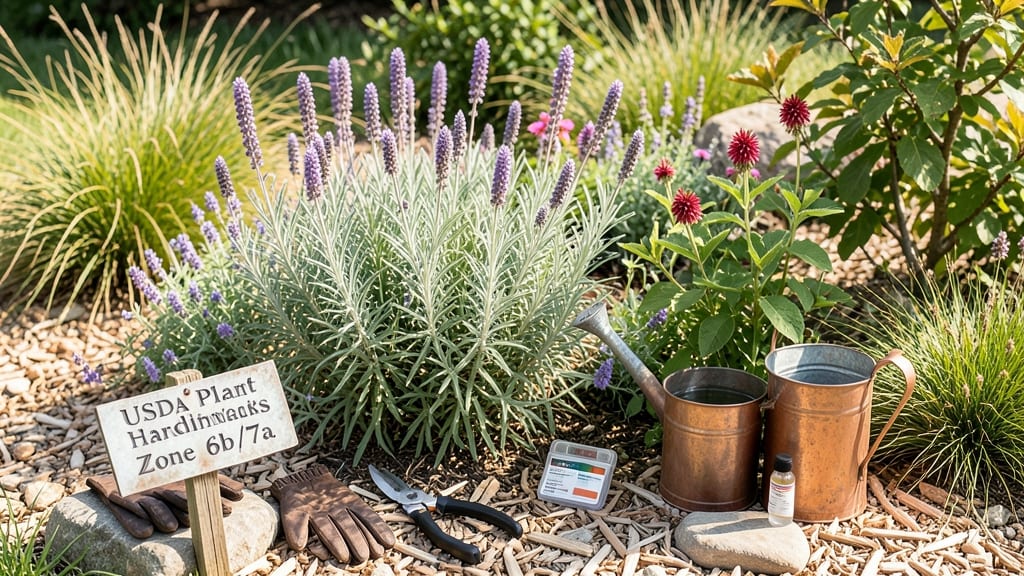
Gardening in Boise, Idaho means working within USDA Hardiness Zone 6b, where winters dip to -5°F to 0°F. Microclimates—like urban heat islands or sheltered valleys—can shift plant hardiness by half a zone, so adjust your planting schedule and cold-resistant plant choices accordingly for the best results.
Boise's high desert climate and elevation (2,700–3,500 ft) create dramatic temperature swings, with frost pockets in low areas and warmer urban zones.
These microclimates can delay or advance frost dates by weeks, so always check local frost records before planting tender annuals. 🌱 For example, south-facing slopes may support Zone 7 plants, while shaded valleys might need Zone 5 selections.
I recommend testing your microclimate by observing where frost forms first in your yard—this helps you fine-tune plant placement for year-round success.
Your soil type also plays a critical role: Boise's rocky, well-drained terrain often needs organic amendments to retain moisture. Drought-tolerant perennials like lavender and Russian sage thrive here, while trees such as Colorado blue spruce handle the cold well.
For vegetables, start seeds indoors 6-8 weeks before your last frost date (typically mid-April), but be prepared to protect young plants with row covers if late frosts hit.
💡 In This Article
- USDA Zone 6b Plant Hardiness in Boise’s Unique Climate
- Microclimate-Specific Gardening Tips for Boise Gardens
USDA Zone 6b plant hardiness in Boise’s unique climate
Boise’s elevation—ranging from 2,700 to 3,500 feet—creates a high-desert climate where temperature shifts dramatically between day and night. This phenomenon, called diurnal temperature variation, can exceed 30°F in summer, stressing plants that aren’t acclimated.
The city’s arid conditions, with annual rainfall averaging just 12 inches, further limit plant survival unless you account for these extremes. 🌵 The USDA Zone 6b designation reflects Boise’s average minimum winter temperatures of -5°F to 0°F, but the real story lies in how these conditions interact with topography.
Temperature inversions—where cold air settles in valleys while higher elevations stay warmer—are common in Boise’s landscape. This means a garden on a south-facing slope might experience 10°F warmer minimum temperatures than a shaded valley just 500 feet lower.
Frost pockets form in low-lying areas, where cold air pools overnight, potentially delaying spring planting by 2-3 weeks compared to sunnier spots.
For example, the Boise Airport (elevation 2,700 ft) records last spring frosts around April 15, while higher elevations near Eagle might see frost until May 1.
Perennials and shrubs face additional challenges due to Boise’s low humidity and intense sunlight. Plants like Russian sage or columbine thrive because their deep root systems access moisture, while shallow-rooted species (e.g., hostas) often struggle without mulch.
Trees like Colorado blue spruce handle the cold well, but their needles can scorch in summer if soil moisture drops below 15%. The key is selecting drought-tolerant species with silver or gray foliage, which reflects sunlight and reduces water loss.
Urban heat islands—where pavement and buildings trap heat—can push microclimates into Zone 7 territory in downtown Boise. This means you might safely grow zone 7 perennials like daylilies in city gardens while rural areas stick to zone 6b hardiness.
To test your microclimate, place a maximum-minimum thermometer in your garden for a full year. If it records below -5°F consistently, you’re likely in a colder pocket; if it stays above 0°F, you may extend your hardy plant list.
Soil composition adds another layer of complexity. Boise’s loamy, rocky terrain drains quickly, so amending with compost or aged manure improves moisture retention.
For vegetables, focus on cool-season crops like kale or peas that tolerate early spring frosts, while summer planting should wait until May 20–June 1 after the last frost.
Mulching with straw or wood chips (2–3 inches deep) helps regulate soil temperature and conserve water—a critical strategy in this semi-arid climate. 💧
For winter survival, evergreens like juniper or pine provide windbreaks, while deciduous trees (e.g., serviceberry) offer seasonal interest. The trick is layering plants by height and hardiness: place zone 5 perennials in frost pockets and zone 7 shrubs on sunny slopes.
This approach mimics natural ecosystems and maximizes your garden’s resilience.