
Pests
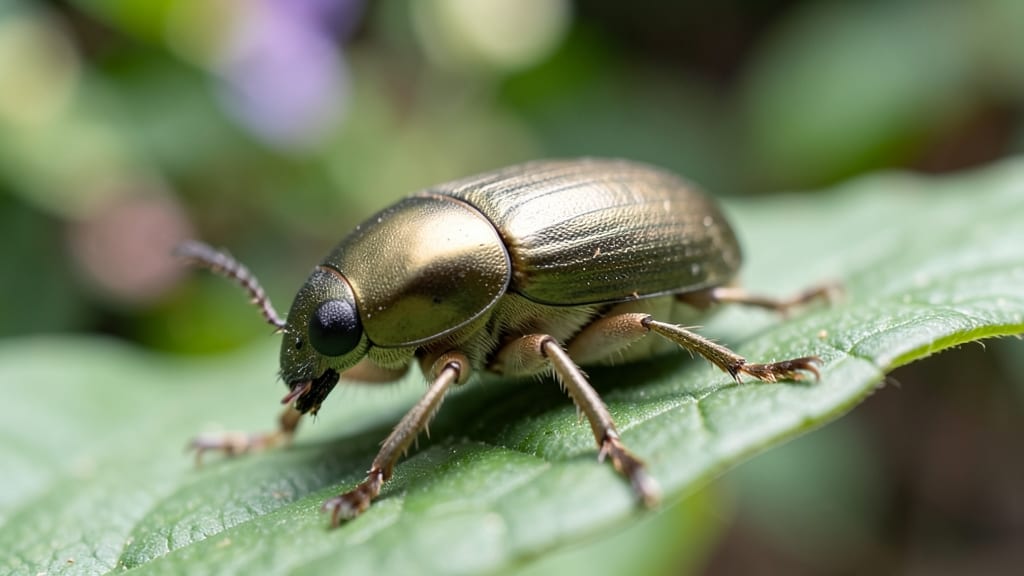
The Asiatic garden beetle is a sneaky, destructive pest that can turn your garden into a skeletonized mess in weeks—if you don’t catch it early.
Picture this: your 🥔 potatoes look like they’ve been chewed by a swarm of tiny lawnmowers, your lawn sports irregular brown patches, and the beetles themselves vanish by dusk. That’s the Asiatic garden beetle’s signature move, and it’s why so many gardeners pull their hair out every summer.
But here’s the good news: knowing its lifecycle and damage patterns lets you outsmart it before it ruins your harvest.
From larval grubs munching on roots to adult beetles skeletonizing leaves, each stage demands a different strategy—and I’ll walk you through the most effective organic and chemical-free solutions to keep your garden thriving.
In this guide, you’ll learn how to spot the signs, time your interventions right, and use cultural controls like milky spore and nematodes to break the beetle’s cycle for good. No more guessing—just actionable steps to reclaim your garden.
Asiatic garden beetle lifecycle: when and how it attacks your plants
The Asiatic garden beetle (Anomala orientalis) follows a one-year lifecycle that makes it especially destructive in gardens. This invasive pest thrives in warm climates but has spread across the U.S., attacking lawns, vegetables, and ornamentals with equal ferocity.
Understanding each stage—from egg to adult—helps you time interventions before damage spirals out of control.
Each lifecycle phase targets different parts of your plants: larvae feast on roots, adults chew leaves, and eggs lay hidden in soil. The beetle’s peak activity occurs between May and September, but cooler regions may see a delayed spring emergence.
Recognizing these patterns lets you interrupt their cycle at the most vulnerable points.
| Lifecycle Stage | Timeframe | Key Features | Target Plants | Damage Signs |
|---|---|---|---|---|
| Egg | Late May–June | White, oval, 1mm; laid in soil near roots | Grass, vegetables, ornamentals | None (hidden) |
| Larva (Grub) | June–August | C-shaped, cream-colored, 1-inch long | Grass roots, vegetable roots | Brown patches, weak stems, wilting |
| Pupa | August–September | Brown, immobile, 0.5-inch; in soil | None (underground) | None (hidden) |
| Adult Beetle | September–October | Black with 6 white spots; 0.5-inch wide | Leaves, flowers, fruit | Notched leaves, skeletonized foliage |
The egg stage begins when adult beetles lay 500–1,000 eggs in clusters near plant roots. These tiny white ovals hatch in 7–10 days into larvae, which are the most devastating phase for lawns and root crops like carrots and potatoes.
The larvae, often called grubs, tunnel through soil, severing roots and creating brown, spongy patches in lawns.
By mid-summer, the larvae pupate in the soil, emerging as adults by late August. These black beetles with white spots (resembling ladybugs but larger) chew leaf edges and flower petals, leaving behind ragged, irregular holes.
They’re most active at dusk and dawn, making them harder to spot during the day.
If you notice wilting grass that pulls up easily or chewed vegetable leaves, check the soil for larvae. The larval stage is your best target for organic controls like beneficial nematodes (Heterorhabditis bacteriophora), which kill grubs without harming plants.
For adults, hand-picking at night or using neem oil sprays works best.
Timing is everything: May–June is critical for preventing egg-laying, while July–August demands larval control. Adults in September signal the end of the cycle—perfect for trapping them before they overwinter. Pro tip: Mulch heavily in fall to smother pupating grubs naturally.
I’ve seen Asiatic garden beetles reduce a thriving vegetable garden to skeletonized stems in weeks. The key to stopping them? Disrupt their lifecycle at every turn. Start with soil testing in spring to check for larvae, then rotate control methods to avoid resistance. Your plants—and your lawn—will thank you.
For high-risk plants like corn, beans, and strawberries, consider row covers during peak adult activity. And if your lawn has brown patches, dig up a small section to check for C-shaped grubs—this confirms the problem and helps you act fast.
Early intervention saves your garden from becoming a beetle buffet.
🌱
Signs of Asiatic garden beetle damage: what to look for on leaves, lawns, and roots
Spotting Asiatic garden beetle damage early can save your garden from severe destruction. These pests leave distinctive patterns on leaves, lawns, and roots that help you distinguish them from other common pests like Japanese beetles or grubs.
The key is knowing what to look for in each stage of plant damage.
On leaves, you’ll notice notched edges or skeletonized foliage—where only the leaf veins remain. This happens as adult beetles chew through leaf tissue, creating a lace-like appearance. Unlike Japanese beetles, Asiatic garden beetles prefer ornamental plants like roses, lilacs, and even vegetables like beans and potatoes.
Their larvae, called white grubs, cause brown patches in lawns that pull up easily like carpet. These patches often appear in late summer or fall and are a dead giveaway for their presence underground. Unlike armyworms, which leave irregular holes, grubs create smooth, circular dead spots.
Check your plant roots for shallow feeding marks or reduced growth—another telltale sign of Asiatic garden beetle larvae. Unlike other grubs, they don’t girdle roots but instead feed on the soil organic matter, weakening plants over time. Look for wilting despite proper watering or stunted growth in affected areas.
To confirm your suspicions, dig up a 1-foot square of lawn in damaged areas. If you find white, C-shaped grubs 1–1.5 inches long, you’ve got Asiatic garden beetles. Unlike black turfgrubs, these larvae are cream-colored with a smooth, shiny body. This simple test can save you from misdiagnosing the problem.
Act fast if you spot these signs—early intervention with organic controls like nematodes or milky spore can prevent a full-blown infestation. Next, we’ll cover the top 5 organic methods to eliminate these pests without harming your garden’s ecosystem.