
Pests
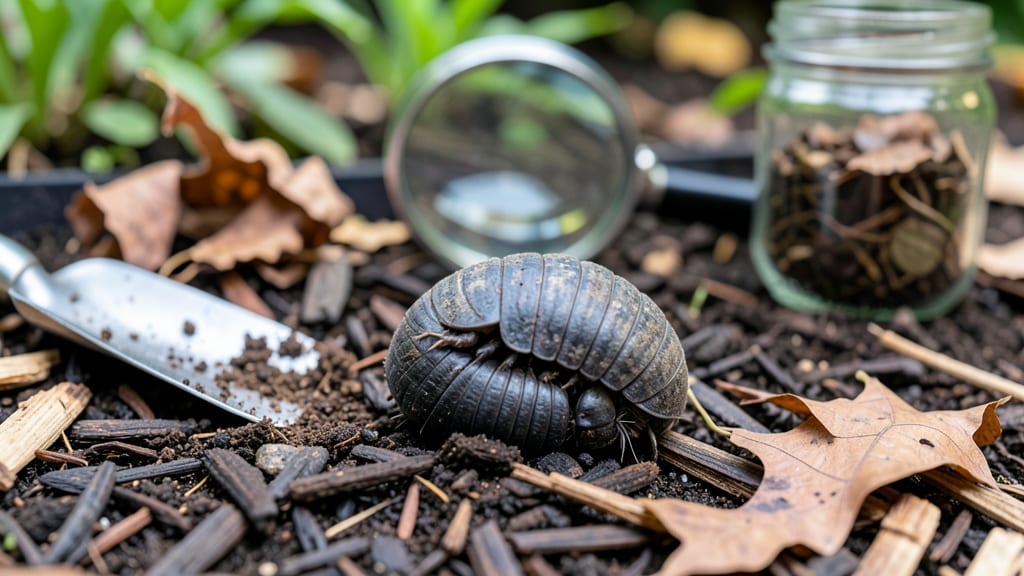
Rollie pollies aren't bad for gardens—they break down organic waste, improve soil aeration, and help manage decay, acting as natural cleanup crews for healthy ecosystems.
These tiny creatures are actually soil superheroes, turning fallen leaves and plant debris into nutrient-rich compost. 🌱 Their tunneling habits loosen compacted soil, allowing better water and root penetration—similar to how earthworms work but on a smaller scale.
While they won't harm mature plants, their presence signals a thriving ecosystem where decomposition happens naturally.
What often worries gardeners is their tendency to gather in large numbers, especially after rain. This isn't an infestation—it's simply their natural behavior to conserve moisture.
However, if you notice excessive leaf litter piles or damage to young seedlings, you might want to consider natural deterrents like diatomaceous earth or simply reducing moisture in their preferred hiding spots.
💡 In This Article
- How Pill Bugs Benefit Garden Soil Health
- When Pill Bug Infestations Might Become Problematic
How pill bugs benefit garden soil health
Pill bugs (also called rollie pollies) are detritivores—nature's recyclers that break down dead plant material like fallen leaves, twigs, and decaying roots. Their mandibles can shred organic matter into smaller pieces, accelerating decomposition by up to 30% compared to natural decay rates.
This process releases nutrients like nitrogen and phosphorus back into the soil, acting like a slow-release fertilizer for your plants. 🌿
Their tunneling behavior improves soil structure by creating micro-channels that enhance aeration and water drainage. Studies show their burrows increase soil porosity by 15-20%, similar to earthworms but on a finer scale.
Unlike earthworms that primarily feed on organic-rich soil layers, pill bugs thrive in surface litter layers, making them ideal for breaking down mulch and compost piles before nutrients reach deeper soil horizons.
Pill bugs also help control mold and fungal growth by consuming decaying plant material that would otherwise become breeding grounds for harmful pathogens. Their presence reduces the buildup of thatch—a dense layer of undecomposed organic matter—that can suffocate plant roots.
In a healthy garden ecosystem, you might find 50-100 pill bugs per square yard during active decomposition seasons, which is actually a good sign of balanced soil health.
What makes them particularly valuable is their role in nutrient cycling during cooler months. While earthworms become less active in cold weather, pill bugs remain active at temperatures as low as 50°F, continuing to process organic matter when other decomposers slow down.
This seasonal complementarity ensures year-round soil improvement without the need for chemical interventions.
For gardeners concerned about their appearance, pill bugs actually indicate a thriving ecosystem where decomposition happens naturally. Their presence suggests your garden has sufficient organic matter and moisture levels—both critical factors for plant health.
The key is maintaining a balance where their beneficial activities aren't being overwhelmed by excessive organic waste buildup.
Consider this comparison: While earthworms primarily improve soil structure through their casting activity, pill bugs specialize in breaking down surface organic matter. Together, they create a more complete decomposition cycle that benefits both soil structure and nutrient availability. 🌱