
Container Gardens
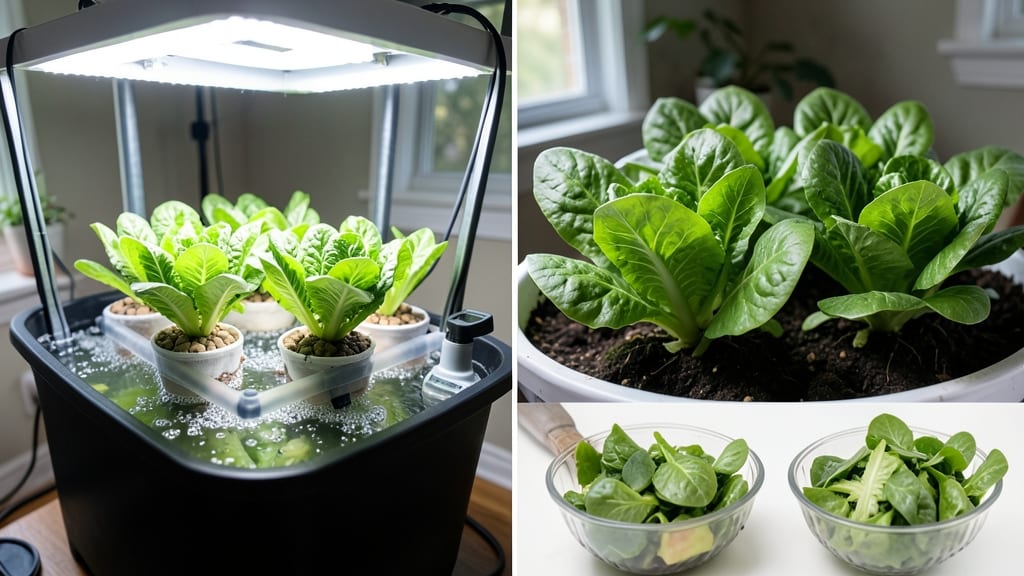
Hydroponic gardens are worth it for beginners who want faster growth and space efficiency, though they demand upfront equipment costs and regular attention to match soil-based harvests. Your total investment depends heavily on system type and scale.
If you're working with limited space or want to grow plants year-round, hydroponics delivers 25-50% faster growth than soil gardens by delivering nutrients directly to roots. 🌱 The trade-off? Initial costs for systems, lighting, and pumps can range from $100 for basic setups to $1,000+ for professional systems.
I've seen beginners break even within 6-12 months when growing high-value crops like herbs or leafy greens, but you'll need to monitor pH levels and nutrient solutions weekly to prevent failures.
What sets hydroponics apart is its precision—no soil means no weeds, fewer pests, and 80% less water usage than traditional gardening. For city dwellers or small apartments, this method turns balconies into productive growing spaces.
The key is starting small: a 5-gallon bucket system for herbs costs under $50 and proves the concept before scaling up.
💡 In This Article
- How Hydroponic Systems Compare to Soil Gardens in Yield and Growth Speed
- Hydroponic Startup Costs and Long-Term Savings for Small-Scale Growers
How hydroponic systems compare to soil gardens in yield and growth speed
The real advantage of hydroponics lies in how plants absorb nutrients. In soil, roots must search for water and minerals, often competing with other plants and microorganisms. Hydroponic systems deliver nutrients directly to roots via water solutions, cutting out this "hunting" process.
This direct delivery can boost growth rates by 25-50% for leafy greens like lettuce and herbs, which mature in 3-4 weeks hydroponically versus 6-8 weeks in soil. 🌱 The controlled environment also eliminates soil-borne diseases and pests, reducing crop loss by up to 40%.
Let's compare yields per square foot. A 4x4-foot hydroponic rack system can produce 20-30 lbs of lettuce per month, while an equivalent soil garden yields only 8-12 lbs.
Tomatoes in hydroponics reach 6-8 feet tall with 30-50% more fruit per plant than soil-grown counterparts due to optimized nutrient delivery. The trade-off? Hydroponic plants need 80% less water—a single hydroponic tomato plant uses about 2 gallons per week versus 10 gallons for soil-grown plants.
For beginners, the fastest results come from shallow systems like Kratky method buckets or deep water culture (DWC). These setups let you grow herbs like basil or cilantro in just 3-4 weeks from seed, compared to 6-8 weeks in soil.
The controlled environment also means you can grow year-round, regardless of outdoor temperatures. I've seen mint plants in hydroponics produce 50% more harvestable leaves per month than their soil-grown siblings, with a more intense flavor due to consistent nutrient levels.
However, hydroponics isn't magic—it requires precise monitoring. The pH of your nutrient solution must stay between 5.5-6.5, or plants won't absorb nutrients properly. Electrical conductivity (EC) levels must match your plants' needs (typically 1.5-2.5 mS/cm for leafy greens).
One misstep can lead to nutrient deficiencies or burns. This is why hydroponic systems often include built-in meters and timers to automate these critical functions, reducing the learning curve for beginners.
Consider this real-world example: A 5-gallon bucket hydroponic system with 10 basil plants will yield 1.5-2 lbs of fresh basil per month, while a soil pot of the same size produces only 0.5-0.8 lbs. The hydroponic version also stays pest-free, eliminating the need for pesticides.
For city dwellers with limited space, this translates to 4x the harvest from the same footprint. The visual difference is striking too—hydroponic plants grow upright and dense, while soil-grown plants often sprawl outward.
For tomatoes specifically, hydroponic varieties like 'Sweet 100' or 'Cherry Roma' produce 2-3 times more fruit per plant than their soil-grown counterparts. The key is choosing compact, determinate varieties that thrive in the controlled environment.
You'll notice the fruits develop a sweeter flavor profile due to consistent nutrient levels and optimal growing conditions. 🍅 This makes hydroponics particularly rewarding for beginners who want to grow their own tomatoes year-round, regardless of outdoor weather conditions.