
Advice
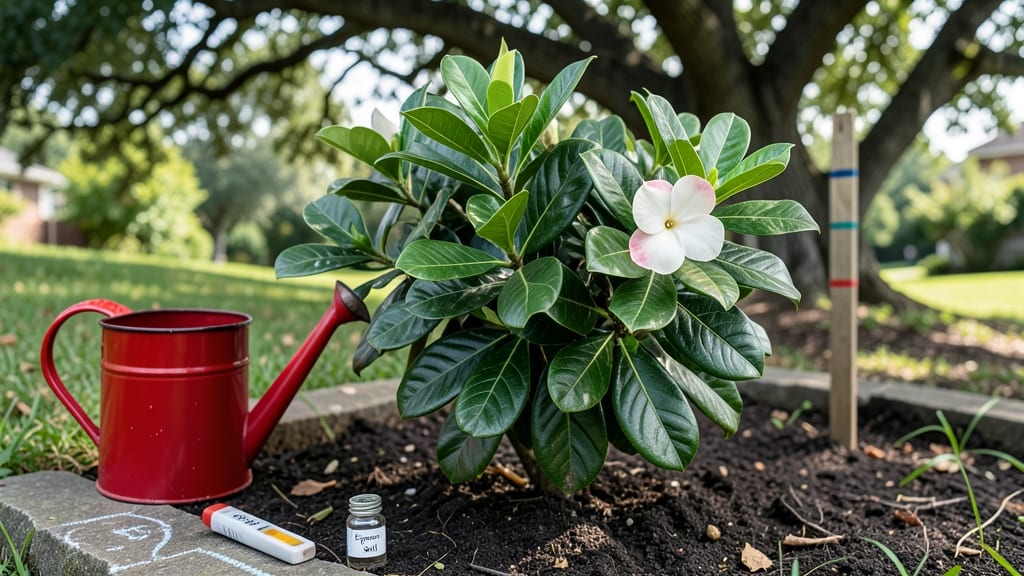
Are gardenias hard to take care of? Not really—they just need the right conditions. Once you meet their core needs (partial shade, well-draining yet moist soil, and high humidity), along with regular pruning, they reward you with fragrant blooms and slow but steady growth.
Gardenias are tropical plants at heart, so recreating their natural environment is key to their care. 🌿 They reward gardeners with stunning white blooms and intoxicating fragrance when given bright, indirect light—think dappled shade rather than harsh sun—which prevents leaf scorch while encouraging flowering.
The soil should stay evenly moist but never soggy, as waterlogged roots lead to rot, while dry conditions cause buds to drop before opening.
Humidity is another game-changer: these plants thrive in environments with at least 50% humidity, which is why many growers use pebble trays or humidifiers, especially in dry climates.
What sets gardenias apart is their slow but steady growth. Unlike fast-growing annuals, they take time to establish, but once they do, they become low-maintenance workhorses in your garden. Pruning isn't just about shaping—it's about encouraging new growth and air circulation, which reduces fungal diseases.
I've found that the most common mistakes (like overwatering or placing them in full sun) stem from misunderstanding their tropical origins, but with the right approach, even beginners can keep them thriving.
💡 In This Article
- Gardenia Care Essentials: Light, Soil, and Humidity Requirements
- Step-by-Step Gardenia Maintenance Guide for Beginners
Gardenia care essentials: light, soil, and humidity requirements
Gardenias originate from tropical regions where they receive dappled sunlight through dense canopies, which explains why they prefer partial shade over full sun. Direct sunlight causes leaf burn by increasing transpiration rates beyond what their roots can supply, while too little light leads to sparse blooming.
The ideal spot gets morning sun and afternoon shade, mimicking their natural understory habitat. This balance ensures energy is directed toward flower production rather than protecting leaves from UV damage.
The soil's acidity level (pH 5.0-6.5) is critical because gardenias are calcium-sensitive—high pH reduces iron uptake, causing yellowing leaves. Their native soils are rich in organic matter, so amending garden soil with peat moss or compost improves drainage while maintaining acidity.
A soil test kit reveals exact pH levels, but you can also use hydrangea blueing solution (aluminum sulfate) to lower pH gradually. The roots need consistent moisture but dread waterlogging, which triggers root rot by cutting off oxygen supply to cells.
Humidity levels above 50% prevent leaf edges from browning—a classic sign of dry air. In dry climates, place gardenias near pebble trays filled with water or use a humidifier nearby. The leaves' waxy coating helps retain moisture, but it's not foolproof.
Misting leaves can actually worsen fungal issues by creating prolonged dampness, so focus on environmental humidity instead. This tropical adaptation explains why indoor gardenias often struggle—their natural habitat's 70-80% humidity is hard to replicate without extra effort.
Seasonal adjustments matter too. During summer's peak growth, gardenias need 1-2 inches of water weekly, while winter dormancy reduces this to every 2-3 weeks. Overwatering in winter stresses roots, while underwatering in summer causes buds to abort.
The key is checking soil moisture 1 inch below the surface—if it's dry, it's time to water. Mulching with pine bark retains moisture while slowly releasing nutrients, creating an ideal microclimate for roots.
What most beginners miss is how temperature fluctuations affect blooming. Gardenias need consistent warmth (65-75°F)—cold drafts or sudden temperature drops shock the plant, causing buds to fall. This is why indoor gardenias near windows with cold drafts often fail to bloom.
The solution? Keep them away from exterior doors or AC vents, and consider moving potted plants indoors before 50°F nights arrive. This tropical sensitivity explains why gardenias thrive in coastal climates where temperatures stay mild year-round.
One surprising fact is how leaf color indicates health. Dark green leaves with glossy surfaces show optimal care, while yellowing between veins signals iron deficiency (common in alkaline soils). Brown leaf tips reveal low humidity or fluoride buildup from tap water—switch to rainwater or distilled water if this occurs.
The plant's fragrance also changes with health: stressed gardenias produce weaker scents, while thriving plants release that signature jasmine-like aroma that can fill an entire room. 🌸