
Container Gardens
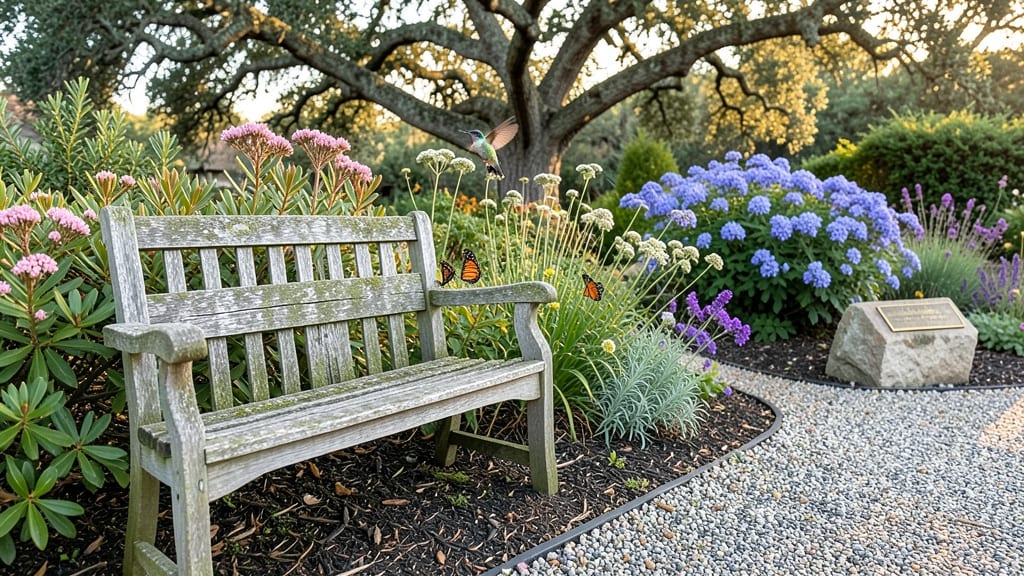
Alta Vista Botanical Gardens in Vista, CA, features lush native plant trails, rare succulents, and vibrant seasonal blooms like California poppies and manzanita. Its hidden groves and themed gardens showcase drought-resistant flora and rare cacti collections perfect for plant enthusiasts and photographers.
This 15-acre garden sanctuary stands out for its focus on California's unique ecosystems, blending native species with rare botanical treasures. 🌵 The trails wind through groves of manzanita and toyon, while themed sections highlight water-wise plants that thrive in Southern California's climate.
Whether you're chasing spring wildflowers or exploring desert-adapted cacti, Alta Vista offers a living classroom for plant lovers and photographers alike.
What makes this garden special is its commitment to conservation—many plants here support local pollinators and wildlife while requiring minimal irrigation. The hidden groves are particularly magical, with seasonal displays that change dramatically throughout the year.
I always recommend visiting in late spring for the California poppy blooms or autumn for the fiery foliage of native shrubs.
💡 In This Article
- Native Plants and Rare Succulents at Alta Vista Botanical Gardens
- Best Times to Visit Alta Vista for Seasonal Blooms
Native plants and rare succulents at Alta Vista botanical gardens
The garden’s emphasis on California native species isn’t just aesthetic—it’s ecological strategy. Plants like coastal sagebrush and California buckwheat have evolved over millennia to thrive with minimal water, their deep root systems accessing moisture deep underground.
This adaptation makes them perfect for Southern California’s Mediterranean climate, where summer droughts can last months. 🌿 The garden’s 15-acre layout mirrors these natural ecosystems, creating microclimates that support over 500 native plant species, many of which are endangered in the wild.
Succulents and cacti here are true stars, with collections like the Agave palmeri (a towering 10-foot behemoth) and Echeveria gibbiflora, whose rosettes glow like polished jade under sunlight. These plants store water in their leaves and stems, a survival trick that also makes them incredibly drought-resistant.
The garden’s rare cacti grove features species like the prickly pear, whose vibrant pink flowers attract hummingbirds and bees—critical pollinators for the region.
What’s fascinating is how these plants support the entire food web: a single manzanita bush can host 50+ insect species, from leafcutter bees to predatory wasps.
For visitors, this means every trail is a lesson in resilience. The drought-tolerant landscape design uses mulch and drip irrigation to conserve water while showcasing how native plants can beautify gardens without guzzling resources.
The hidden groves, like the Redwood Grove, blend native shrubs with towering succulents to create a layered, textured experience. 🌵 If you’re a photographer, the contrast between the silver-blue foliage of ceanothus and the deep green of toyon berries offers endless composition opportunities.
What often surprises people is how these plants interact with wildlife. The garden’s pollinator pathway features lupine and yarrow, both magnets for bees and butterflies, while the desert willow’s fragrant blooms lure moths at night.
Even the deadly nightshade (yes, it’s here!) plays a role—its berries feed birds that disperse seeds across the region. This interconnectedness is why Alta Vista feels alive year-round, not just during peak bloom seasons.
Pro tip: The succulent garden is best explored in the early morning or late afternoon when the light softens the textures of Agave and Echeveria. Bring a magnifying glass—the hair-like trichomes on some leaves reflect light in mesmerizing ways.
And if you’re lucky, you might spot a quail or scrub jay foraging among the rocks, a reminder of how these plants sustain local wildlife.
For those curious about gardening at home, the garden’s plant sales (held twice yearly) offer native species perfect for low-water landscapes. Many plants here grow happily in USDA Hardiness Zones 7-10, making them ideal for coastal and inland Southern California yards. 🌱