
Vegetables
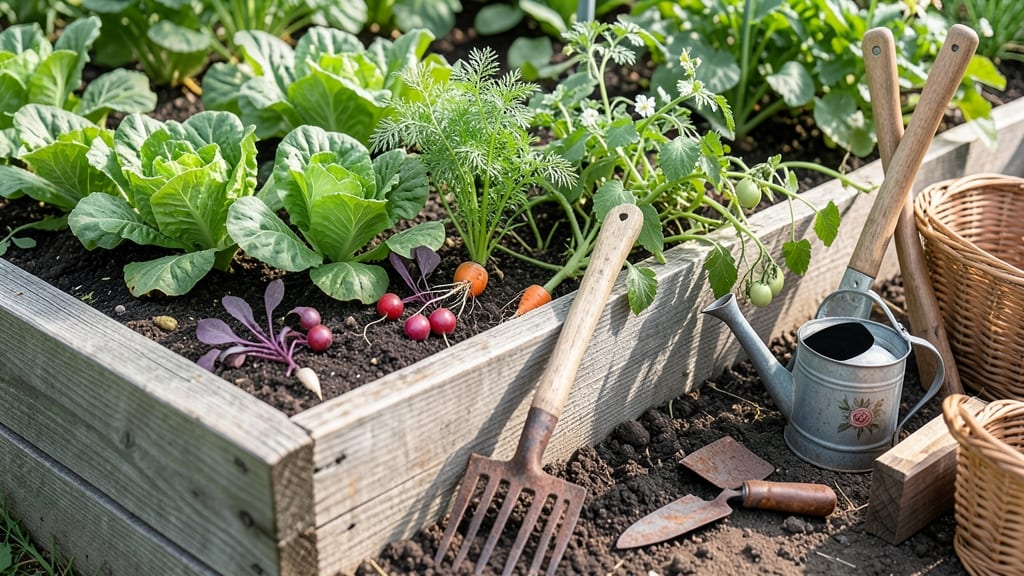
World War One victory gardens became essential food sources during wartime by growing high-yield vegetables like potatoes, carrots, and cabbage to combat shortages, and today's gardeners can recreate them using compact planting methods and companion planting for maximum efficiency.
These wartime gardens weren't just about growing food—they were strategic responses to rationing and shipping disruptions. 🌱 Governments promoted them through posters and pamphlets, encouraging even urban families to dedicate small patches of land.
The focus on root vegetables and leafy greens provided quick calories while requiring minimal space, making them perfect for backyard plots or window boxes. Modern gardeners can replicate this success by choosing fast-growing varieties like radishes or bush beans, which deliver harvests in as little as 30 days.
What's fascinating is how these gardens evolved into a cultural movement. Beyond feeding families, they fostered community resilience and self-sufficiency. Today, you can recreate this spirit by starting with just a few square feet of soil and expanding as your confidence grows.
The key is selecting crops that thrive in your climate while complementing each other—like planting basil near tomatoes to deter pests naturally.
💡 In This Article
- How WWI Victory Gardens Boosted Food Security
- Top 10 Easy-to-Grow Victory Garden Crops for Today
How WWI victory gardens boosted food security
Victory gardens during World War One weren't just about growing food—they were a calculated strategy to reduce reliance on imported goods. 🌱 Governments like Britain's and America's launched aggressive campaigns, distributing over 3 million pamphlets and posters encouraging citizens to plant gardens.
The goal was simple: reduce the strain on shipping lanes by producing 40% of the nation's fresh produce locally, which would otherwise be vulnerable to submarine attacks.
These gardens transformed backyards, vacant lots, and even urban rooftops into productive green spaces, with some cities like Detroit planting over 1 million gardens covering 5 million square feet.
The crop selection was no accident—strategists prioritized plants with high caloric yield per square foot. Root vegetables like potatoes (which could be stored for months) and carrots (which grew well in poor soil) took center stage, while leafy greens like kale and cabbage provided essential vitamins.
The U.S. Department of Agriculture even published planting guides specifying which crops to grow based on regional climates, with 32 pounds of potatoes per 100 square feet being a common benchmark.
Urban gardens focused on compact crops like radishes (30 days to harvest) and lettuce, while rural plots could dedicate space to more labor-intensive crops like corn.
What made these gardens so effective was their adaptability to space constraints. 💫 Urban families grew vegetables in window boxes and hanging baskets, while rural areas utilized larger plots. The British "Dig for Victory" campaign even encouraged planting on lawns, golf courses, and sports fields—any available space counted.
This flexibility meant that even city dwellers could contribute, with some apartment complexes converting balconies into miniature gardens. The psychological impact was significant too; growing your own food fostered a sense of patriotism and self-reliance that extended beyond the harvest.
The science behind these gardens was surprisingly sophisticated for the era. Companion planting—pairing crops that benefit each other—was widely promoted. For example, planting marigolds near vegetables repelled pests naturally, while beans fixed nitrogen in the soil, enriching it for subsequent plantings.
This rotational system prevented soil depletion and increased yields over time. The gardens also utilized simple but effective techniques like mulching with straw to retain moisture and crop rotation to maintain soil health, principles still used by modern gardeners today.
One often-overlooked aspect was the impact on food preservation. Victory gardens didn't just provide fresh produce—they supplied ingredients for canning and fermenting, which extended the shelf life of the harvest. 🥬 Families preserved thousands of pounds of vegetables annually, reducing waste and ensuring food availability during harsh winters.
This preservation knowledge became a valuable skill passed down through generations, forming the foundation of modern home canning practices. The success of these gardens demonstrated how community effort and smart agricultural practices could directly influence national food security.
The legacy of WWI victory gardens lives on in today's urban farming movements. Their principles—maximizing space, prioritizing high-yield crops, and fostering community—remain relevant as cities face modern food challenges.
By understanding how these gardens worked during wartime, you can apply those same strategies to your own gardening today, whether you have a full backyard or just a balcony.
The key is starting small, choosing the right crops for your space, and remembering that every square foot counts when it comes to growing your own food.