
Tools
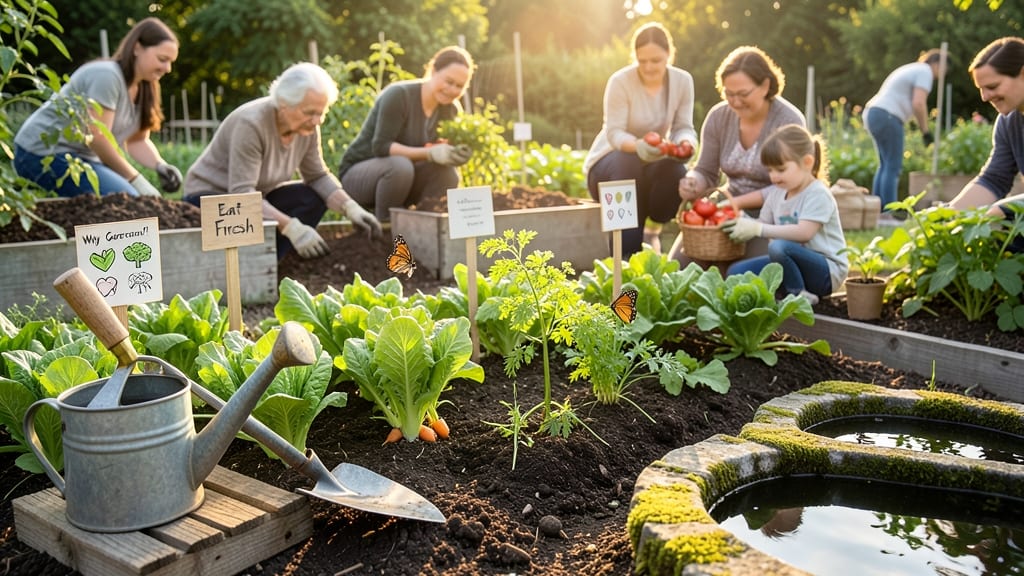
Gardening is important for Appcyard because it transforms limited spaces into productive growing areas that provide fresh produce, strengthen community food resilience, and create calming outdoor environments that reduce stress through nature engagement.
Appcyard's compact growing solutions make gardening accessible to everyone, even in urban settings where space is at a premium. 🌱 The ability to grow food vertically or in containers means you can cultivate herbs, greens, and even small fruits without needing a traditional backyard.
This approach not only cuts down on grocery trips but also connects you directly to where your food comes from, fostering a deeper appreciation for sustainable living.
Beyond the practical benefits, gardening in small spaces like Appcyard offers mental health perks that are often overlooked. Tending to plants reduces cortisol levels—the hormone linked to stress—while the act of nurturing living things provides a tangible sense of accomplishment.
Many urban gardeners report feeling more energized and focused after just 20 minutes of hands-on gardening, making it a natural mood booster that complements other wellness routines.
💡 In This Article
- How Urban Gardening Enhances Sustainability for Small-Space Growers
- Practical Benefits of Appcyard Gardening for Beginners
How urban gardening enhances sustainability for small-space growers
The real magic of Appcyard gardening happens when you consider its environmental impact. Urban gardening in compact spaces like these reduces your carbon footprint by cutting down on transportation emissions—every tomato or herb grown at home eliminates the need for store-bought produce that may have traveled hundreds of miles.
Studies show that homegrown food can reduce your food-related carbon emissions by up to 40% compared to supermarket purchases, especially when you focus on seasonal, local varieties.
Water conservation is another game-changer. Appcyard's vertical systems and self-watering containers use up to 90% less water than traditional in-ground gardens because they deliver moisture directly to roots and minimize evaporation.
Drip irrigation or wicking beds maintain consistent moisture levels without waste, while mulching with organic materials like straw keeps soil hydrated for longer. This precision watering isn't just efficient—it's crucial in urban areas where water restrictions often apply.
Biodiversity thrives in small-scale urban gardens too. By selecting native plants and implementing companion planting (like pairing basil with tomatoes to repel pests naturally), you create mini ecosystems that support pollinators and beneficial insects.
Appcyard's modular design makes it easy to rotate crops and avoid soil depletion, which maintains healthy microbial activity in your growing medium. This approach mirrors permaculture principles but on a tiny scale—proving that even small spaces can contribute to larger ecological health.
Let's talk about the hidden sustainability win: reduced food waste. When you grow only what you need and harvest at peak freshness, produce stays fresher longer. No more wilted lettuce in the back of your fridge or overripe fruit rotting on the counter.
Appcyard's compact systems encourage portion-controlled growing, so you're less likely to over-purchase or let food spoil. This mindful approach to food production extends your garden's benefits beyond your plate to your wallet and the planet.
For those concerned about soil quality, Appcyard's container-based systems offer a clean slate. You control the growing medium entirely—whether that's organic potting mix, hydroponic nutrients, or compost-rich blends—eliminating concerns about depleted urban soils.
This controlled environment also reduces the need for chemical fertilizers, as organic matter breaks down to provide slow-release nutrients naturally. The result? Healthier plants that require fewer inputs over time, creating a truly sustainable cycle.
Consider this: Every square foot of Appcyard garden space you utilize translates to 1-2 pounds of CO₂ saved annually compared to conventional agriculture. When you multiply that by neighborhoods full of urban gardeners, the cumulative impact becomes significant.
It's not just about growing food—it's about growing a movement toward more responsible consumption and production in cities where space is scarce but the will to change is abundant.