
Tools
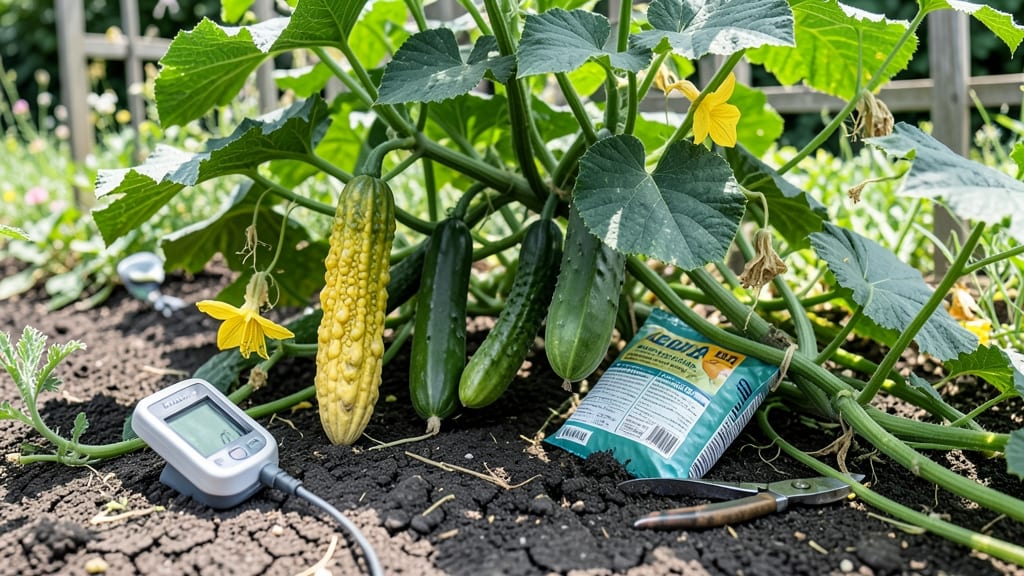
Your garden cucumbers 🥒 taste bitter because they’re either overripe, underwatered, or stressed by heat or poor soil—three issues that are easier to fix than you think.
Picture this: you’ve been waiting weeks for those crisp, sweet cucumbers, only to bite into one that tastes like soap or worse. It’s frustrating, especially when you know they should be delicious.
The good news? Most cases of bitterness come from fixable problems, and with the right adjustments, you can restore that garden-fresh flavor in just 7 days.
From adjusting your watering schedule to checking soil nutrients, I’ll walk you through the 5 most common causes of bitterness and the exact steps to turn things around. No more guessing—just science-backed fixes that work for Zone 6a gardens (and beyond).
Ready to save your harvest? Let’s dive into the quick remedies and long-term strategies to keep your cucumbers sweet all season long.
5 Common reasons your garden cucumbers taste bitter (and how to fix them)
There’s nothing worse than biting into a homegrown cucumber only to taste that sharp, bitter punch—especially when you expected crisp sweetness. Bitter cucumbers are your plant’s way of signaling stress, and the good news is, most causes have quick fixes.
Whether it’s overwatering, nutrient deficiencies, or heat stress, I’ll walk you through the top 5 culprits and how to reverse them in just 7 days. Let’s dig in!
Cucumbers develop bitterness when they produce cucurbitacin, a natural compound that acts like a defense mechanism against pests or environmental stress. While small amounts are harmless, excessive bitterness means your plants need immediate attention. The key is identifying which stressor is at play—because each requires a different solution.
Soggy roots trigger bitterness by starving plants of oxygen. Check soil moisture—if it stays wet for more than 24 hours, you’re overdoing it.
Dry soil forces cucumbers to produce bitter compounds as a survival tactic. Water deeply once daily during fruit production.
Temperatures above 90°F (32°C) cause bitterness. Provide afternoon shade with row covers or mulch heavily.
Yellowing leaves and stunted growth mean your cucumbers lack nitrogen. Feed with balanced fertilizer (10-10-10) or compost tea.
Cucumbers left on the vine too long develop bitter seeds. Harvest when 6-8 inches long and firm to the touch.
Let’s tackle the first issue head-on: watering woes. Cucumbers are thirsty plants, but too much or too little water triggers bitterness. If your soil feels like a sponge after watering, you’re overwatering.
The fix? Let the top inch dry out between waterings and improve drainage by amending soil with perlite or compost. For underwatering, switch to drip irrigation to deliver consistent moisture directly to roots.
Next up: heat stress. If your cucumbers are wilting in the afternoon heat, they’re not just thirsty—they’re sunburned. Install temporary shade cloth (30-50% coverage) to protect leaves while still allowing light.
Mulching with straw or wood chips also keeps roots cool and conserves moisture. Pro tip: Harvest in the early morning when cucumbers are coolest and sweetest.
Nutrient deficiencies often fly under the radar, but they’re a sneaky cause of bitterness. Start by testing your soil’s pH—cucumbers thrive in 6.0-6.8 pH. If nitrogen is lacking, apply a quick-release fertilizer like blood meal or switch to organic options like fish emulsion. For a long-term fix, mix in aged compost (2-3 inches) around the base of plants. Watch for new growth within 7-10 days!
Don’t overlook the harvest timing. Many gardeners assume bigger cucumbers are better, but overripe fruits pack a bitter punch. Use the thumbnail test: Press gently—if the skin resists, it’s ready.
If it yields like a ripe peach, it’s past its prime. For bush varieties, harvest every 2-3 days; for vining types, aim for daily picks during peak production.
For a 7-day reset, combine these fixes: adjust your watering schedule, add shade, fertilize, and harvest aggressively. Monitor your cucumbers daily—you’ll notice sweeter flavors within a week.
And remember, prevention is key: mulch heavily, use drip irrigation, and choose heat-tolerant varieties like ‘Straight Eight’ or ‘Marketmore’ for future seasons.
🌱
How to adjust watering and sunlight for sweeter cucumbers in 7 days
Bitter cucumbers often point to watering inconsistencies or sunlight imbalances. Cucumbers thrive on predictable moisture and 6-8 hours of direct sunlight, but too much or too little of either triggers stress hormones that convert sugars into bitter compounds called cucurbitacins.
The good news? Adjusting these two factors in just one week can restore that garden-fresh sweetness.
Start by checking your current watering habits. Uneven moisture—whether from drought stress or soggy soil—disrupts nutrient uptake and flavor development. Meanwhile, insufficient sunlight weakens vines, while excessive heat without proper hydration leads to sunburned leaves and bitter fruit.
The key is finding the sweet spot where your cucumbers get steady hydration and gentle, consistent sunlight.
Comparison Table: Watering vs. Sunlight Fixes for Bitter Cucumbers
| Issue | Signs | 7-Day Fix | Prevent Future Bitterness |
|---|---|---|---|
| Underwatering | Wilted leaves, dry soil 1" deep, small fruits | Water deeply every morning (1-2 gallons per plant). Use drip irrigation to avoid leaf wetting. | Mulch with straw or shredded leaves to retain moisture. |
| Overwatering | Yellowing leaves, moldy soil, slow growth | Let top 2 inches of soil dry between waterings. Improve drainage with perlite or compost. | Plant in raised beds if your garden retains too much water. |
| Insufficient Sunlight | Leggy vines, pale leaves, slow fruit development | Move plants to sunnier spot (minimum 6 hours/day). Use reflective mulch to boost light. | Choose compact varieties like 'Bush Champion' for smaller gardens. |
| Excessive Heat Stress | Scorched leaves, curled fruit, bitter taste | Provide afternoon shade with a lightweight row cover. Water soil, not leaves, in peak heat. | Harvest early morning when cucumbers are coolest. |
For watering adjustments, focus on consistency. Cucumbers hate dry spells followed by sudden soaking. Use a moisture meter to check soil levels—aim for evenly damp (not soggy) soil. If your garden soil drains poorly, amend it with compost or coconut coir to improve aeration.
During hot weeks, increase watering to daily deep soaks, but avoid wetting leaves to prevent fungal diseases like powdery mildew.
When it comes to sunlight optimization, cucumbers need full sun, but too much intense afternoon heat can scorch tender leaves. If your plants show signs of stress (like curled leaves or yellowing), provide partial shade with a lightweight shade cloth (30-50% coverage).
Alternatively, train vines to grow on a trellis to elevate them slightly, improving airflow and reducing heat exposure at soil level.
By day 7, your cucumbers should show improvement: fewer bitter notes, firmer fruit, and healthier vines. For long-term sweetness, combine these adjustments with regular harvesting (pick cucumbers when they’re 6-8 inches long) and balanced fertilization.
The key is treating your plants like the sun-worshipping water lovers they are—give them what they crave, and they’ll reward you with crisp, sweet cucumbers every time.