
Tools
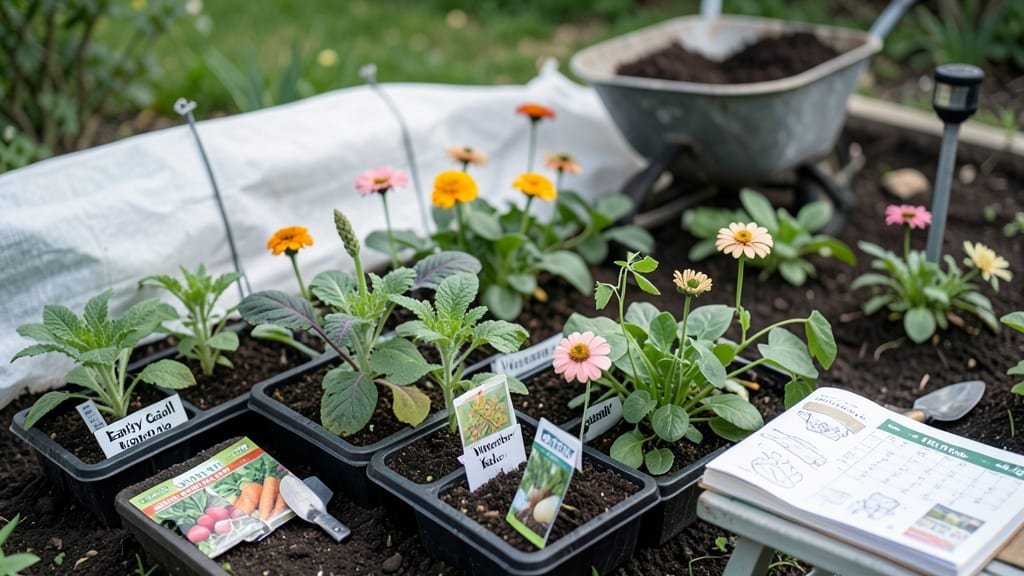
To start a garden in Michigan, begin soil preparation in early spring (March–April), plant cool-season crops after the last frost (mid-April to late May), and sow warm-season plants once soil reaches 60°F (late May–June). Always verify local frost dates for accuracy.
Michigan's climate varies dramatically between its Upper and Lower Peninsulas, so timing matters. 🌱 The USDA zones 4–6 mean early spring prep is essential—cool-season crops like spinach and peas can handle light frosts, while tomatoes and peppers need warmer soil.
I always test my soil in March to ensure proper pH balance before planting, especially in clay-heavy regions. Historical frost data shows the Lower Peninsula typically warms faster than the Upper Peninsula, so adjust your schedule accordingly.
For the best results, create a month-by-month planting calendar tailored to your zone. Start with cold-hardy crops like lettuce and radishes in early April, then transition to beans and squash once nighttime temperatures stay above 50°F.
Mulching helps retain soil warmth for those late-May warm-season starters. Remember: Michigan's unpredictable spring weather means flexibility is key—always keep row covers handy for unexpected frosts.
💡 In This Article
- Michigan Frost Dates and Planting Zones Explained
- Step-by-Step Soil Prep and Planting Schedule for Michigan Gardens
Michigan frost dates and planting zones explained
Michigan spans USDA Hardiness Zones 4–6, with dramatic differences between the Upper Peninsula (Zone 4) and Lower Peninsula (Zones 5–6). The Upper Peninsula experiences colder winters and later frost-free dates—typically May 15–June 1—while the Lower Peninsula sees its last spring frost around April 20–May 10.
These dates shift annually due to climate variability, but historical data shows the Lower Peninsula warms 1–2 weeks earlier than the Upper Peninsula. 🌿 The key factor here is how frost impacts seedling survival: most vegetables die at 28°F, while cold-hardy crops like kale and spinach tolerate 20–25°F.
Frost dates aren't just about timing—they're about soil temperature too. Warm-season crops like tomatoes need soil at 60°F to germinate, while cool-season crops like peas thrive in 40–50°F soil. Michigan's clay-heavy soil retains cold longer, which is why I always check soil temperature with a probe before planting warm-season seeds.
The Michigan State University Extension provides county-specific frost data, but as a general rule, the Detroit area (Zone 6) can plant tomatoes by May 15, while Traverse City (Zone 5) waits until May 25.
These variations explain why gardeners in northern Michigan often start seeds indoors 4–6 weeks earlier than those in southern regions.
Understanding frost patterns also helps with succession planting. For example, in Zone 5, you can plant lettuce in early April, then again in late August for a fall harvest before the first frost (typically October 15–November 1).
The Upper Peninsula's shorter growing season means gardeners there focus on fast-maturing varieties like 50-day radishes instead of 90-day tomatoes. This regional adaptation is why Michigan's gardening calendar feels like a puzzle—each zone has its own piece. 🌱
What most people don't realize is how microclimates affect frost dates. A south-facing slope warms 2–3°F faster than a north-facing area, potentially extending your growing season by 1–2 weeks. Urban areas like Ann Arbor also experience urban heat islands, where pavement and buildings create warmer microclimates.
This is why some Detroit gardeners can plant tomatoes 10 days earlier than rural areas just 20 miles away. Always observe your specific location's frost patterns for at least 3 years to establish reliable planting windows.
For precision, use the National Oceanic and Atmospheric Administration (NOAA) frost maps or your local cooperative extension service. These resources provide 30-year averages that account for long-term climate trends.
For instance, the average last frost date in Grand Rapids (Zone 6) has shifted 5–7 days earlier over the past decade due to climate change. This means traditional planting guides may now be 1–2 weeks outdated.
Adjusting your schedule based on current data—not just historical averages—is the secret to successful Michigan gardening. 💫