
Tools
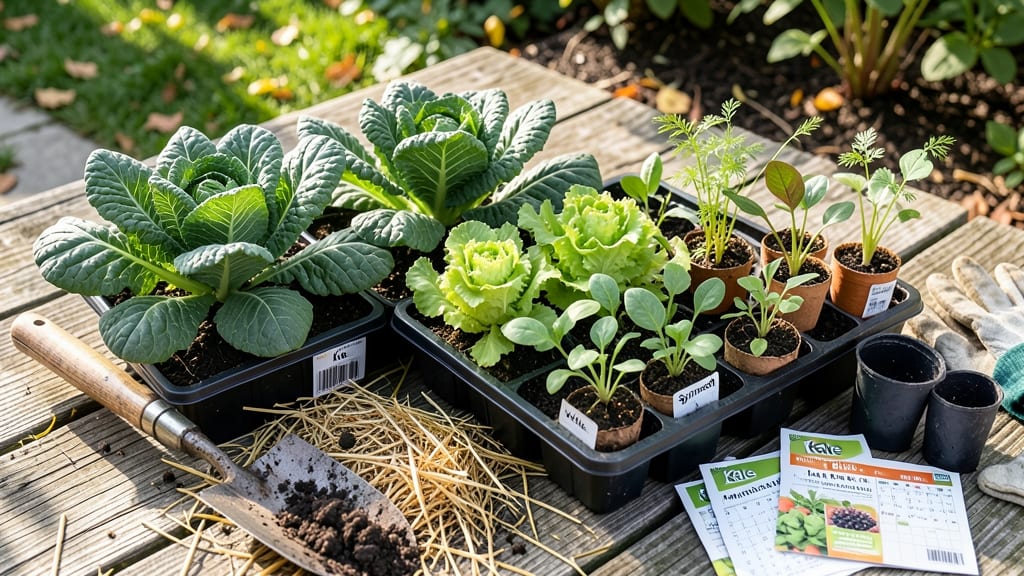
Starting a fall garden four to six weeks before your first frost is the key to a harvest that lasts well into the season—especially in Zone 6a where crisp air and shorter days signal the perfect growing window.
Timing your fall garden correctly can mean the difference between a bountiful harvest and wasted effort—especially when cool-season crops like kale, spinach, and carrots demand precision. Miss the window, and you risk stunted growth or bolted greens before you even get to taste them.
This isn’t just about throwing seeds in the dirt and hoping for the best. The right timing depends on your local frost dates, soil temperatures, and even the varieties you choose—some 🍂 crops thrive in the chill, while others need a head start indoors.
Below, I’ll break down the exact steps to plan your fall garden, from soil prep to succession planting, so you can enjoy fresh greens even as the leaves turn gold outside.
Fall garden planting timeline by USDA hardiness Zones
Timing your fall garden depends heavily on your USDA hardiness zone, as frost dates vary dramatically from Zone 3 to Zone 10. In colder zones, you might start as early as mid-July, while warmer zones can extend planting into November.
The key is planting 4-6 weeks before your first frost to ensure crops mature before winter sets in.
For example, in Zone 6, where I garden, we typically begin prepping soil in late July and transplant cool-season crops like broccoli and lettuce in early August. Meanwhile, gardeners in Zone 9 can enjoy a longer season, often planting until early October.
Let’s break down the ideal planting windows for each zone to maximize your harvest.
| USDA Zone | First Frost Date | Ideal Planting Window | Key Cool-Season Crops | Soil Prep Tip |
|---|---|---|---|---|
| Zone 3 | Mid-September | Mid-July to early August | Kale, Spinach, Carrots | Add compost in July |
| Zone 4 | Late September | Late July to mid-August | Broccoli, Lettuce, Radishes | Test soil pH in August |
| Zone 5 | Early October | Early August to early September | Peas, Swiss Chard, Beets | Mulch beds in September |
| Zone 6 | Mid-October | Late July to mid-September | Cabbage, Turnips, Arugula | Amend soil with aged manure |
| Zone 7 | Late October | August to late September | Collards, Mustard Greens, Fennel | Use row covers for late plants |
| Zone 8 | Early November | September to early October | Leeks, Brussels Sprouts, Bok Choy | Plant cold-hardy varieties |
| Zone 9 | Mid-November | September to November | Cilantro, Radishes, Green Onions | Use black plastic mulch |
| Zone 10 | December | September to December | Lettuce, Spinach, Peas
How to extend your fall garden season with succession plantingFall gardens thrive when you work with nature's cooling trends, not against them. The key to extending your harvest window lies in strategic succession planting—a technique that keeps your garden productive long after summer's heat fades. By planting in staggered batches and using protective tools, you can enjoy fresh greens, root vegetables, and brassicas well into winter's early stages. Even in warmer climates where frost is rare, succession planting ensures a continuous harvest by replacing spent plants with new ones. This method works especially well for fast-growing crops like lettuce, radishes, and bush beans. The secret? Start early, plant often, and use season-extending tools to shield tender plants from unexpected cold snaps. 5 Proven Strategies to Extend Your Fall Garden
For warm-climate gardeners in Zones 9–10, focus on heat-tolerant varieties like 'Malabar spinach' or 'Swiss chard' ('Bright Lights'), which thrive in 80–90°F temperatures. Pair these with drip irrigation to prevent bolting—heat stress causes lettuce to flower prematurely. A shade cloth (30–50%) can also buy you extra weeks of harvest. Don’t overlook succession planting for root crops. Carrots and beets take 60–70 days to mature, so sow two batches 3 weeks apart in late summer. Thin seedlings aggressively to 2–3 inches apart—crowding leads to forked roots and stunted growth. Mulch with straw or leaves to maintain even soil moisture and prevent hardening. Protect your late-season brassicas (broccoli, cauliflower) with low tunnels or hoop houses covered in clear plastic. These structures can raise soil temps by 10–15°F, delaying frost damage. Harvest before hard freeze—broccoli heads will turn woody if left too long in cold soil. For extra insurance, harvest outer leaves first from leafy greens like kale, which tolerates light frost. Even a small balcony garden can benefit from succession planting. Use container-friendly crops like bush beans, radishes, or dwarf lettuce in 5–10 gallon pots. Replace finished plants with fast-growing arugula or microgreens every 3–4 weeks. With these strategies, your fall garden can stay productive until Thanksgiving—or beyond! |