
Planting
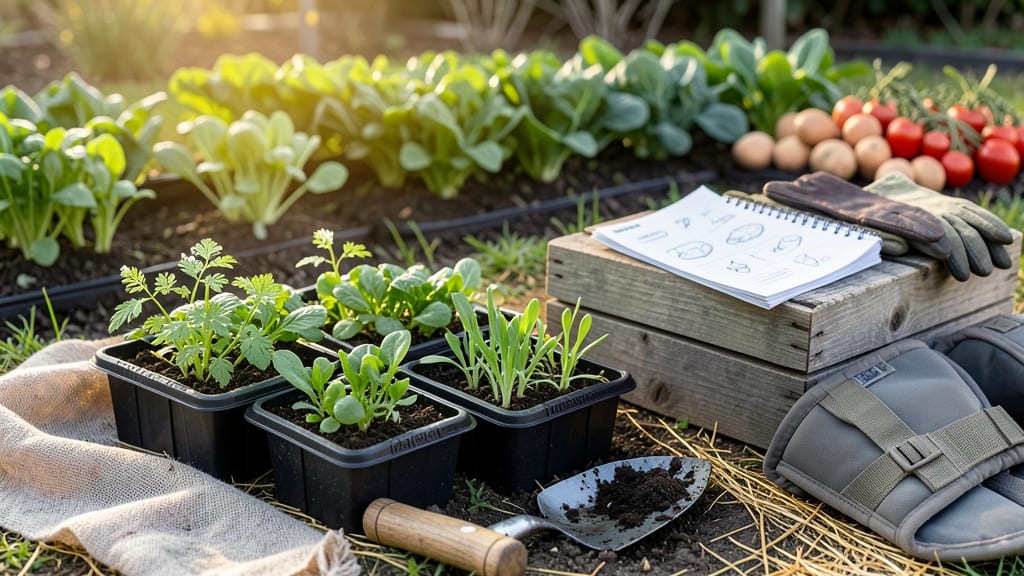
Planting your garden in Michigan at the right time means the difference between a bountiful harvest and a frost-killed disappointment.
Michigan’s unpredictable spring weather can turn your gardening dreams into a guessing game—unless you know the exact planting windows for your zone.
With USDA zones ranging from 4b to 6b, the last frost date shifts from mid-April in southern Michigan to early May in the north.
That’s why timing is everything—cool-season crops like peas and lettuce need to hit the soil weeks before the final freeze, while tomatoes and peppers wait until the danger has passed.
Below, I’ll break down the month-by-month schedule for vegetables, flowers, and herbs, plus pro tips to stretch your growing season and avoid common mistakes that leave Michigan gardeners scratching their heads.
Michigan planting zones & last frost dates by region
Michigan spans USDA Hardiness Zones 4b through 6b, meaning your planting timeline can vary dramatically from the Upper Peninsula (Zone 4b) to southeastern Michigan (Zone 6b). These zones dictate which plants thrive in your area and when you can safely plant them without risking frost damage.
Understanding your last average frost date is critical—it’s the moment you can finally plant warm-season crops like tomatoes and peppers.
For example, Detroit (Zone 6a) typically sees its last frost around April 20, while Traverse City (Zone 5b) waits until May 5. These differences mean cool-season crops like spinach or kale must go in the ground weeks earlier in southern Michigan than in the north.
Let’s break down the key deadlines by region so you can plan your garden with confidence.
If you’re planting cool-season crops like lettuce, peas, or broccoli, aim to sow seeds 4-6 weeks before your last frost date. For example, in Detroit (Zone 6a), that means starting in mid-March.
These hardy plants can often tolerate light frosts, so don’t wait until the last minute—early planting gives them time to establish roots before summer heat arrives.
For warm-season crops such as tomatoes, peppers, and cucumbers, wait until 2-3 weeks after your last frost date to transplant seedlings outdoors. Soil temperature is just as critical as air temperature—these plants need warm soil (at least 60°F) to thrive.
In Traverse City (Zone 5b), this typically means waiting until mid-May, while Detroit gardeners can start in early May.
One common mistake is assuming all of Michigan follows the same timeline. Microclimates play a huge role—urban areas like Detroit can be 2-3°F warmer than rural areas, while lakeside regions (like Traverse City) experience cooler temperatures due to lake breezes.
Always check your local weather station data for the most accurate frost dates, as averages can shift yearly.
Pro tip: Use row covers or cold frames to extend your planting window by 2-4 weeks in early spring or late fall. These protective barriers create a warmer microclimate, allowing you to plant spinach or kale in early March or extend your tomato harvest into October.
Just be sure to remove covers during the day to prevent overheating.
Don’t forget about fall planting! Many cool-season crops like radishes, carrots, and Brussels sprouts can be sown as late as August 15 in southern Michigan
Crop-specific planting timeline for Michigan gardens
Michigan’s short growing season demands precision when planting. Cool-season crops like lettuce and peas thrive in spring’s chill, while warm-season favorites like tomatoes and basil need frost-free soil. Timing is everything—plant too early, and frost zaps your efforts; too late, and you miss peak harvests.
Below, I’ve mapped out month-by-month deadlines for your garden’s top performers, tailored to Michigan’s USDA Zones 4b–6b.
For southern Michigan (Zones 5b–6a), aim for April 15–May 15 for spring planting, while northern Michigan (Zones 4b–5a) gardeners should wait until May 1–June 1. Succession planting is key—sow lettuce every 2 weeks for continuous harvests, and stagger basil starts to avoid bolting.
Let’s dive into the exact windows for your garden’s stars.
- 🌱 March–Early April: Start basil, cilantro, and marigolds indoors under grow lights. Peas and spinach can go directly into cold soil (Zone 5+).
- 🌿 Mid-April: Plant lettuce, kale, and zinnias outdoors once soil reaches 40°F. Use row covers for extra warmth.
- ☀️ Late April–Early May: Transplant tomato and pepper seedlings after last frost (wait for 60°F soil). Direct-sow beans and cucumbers.
- 🌻 June–July: Succession plant basil and cilantro for fall harvests. Marigolds and zinnias thrive in heat—sow every 3 weeks.
- 🍅 August: Start cool-season crops (lettuce, spinach) for fall harvests. Avoid planting warm-season crops like tomatoes.
Pro tip: Northern Michigan gardeners should delay warm-season crops until May 15–June 1 to avoid frost. For example, peppers need 85°F soil—wait until late May in Zone 4b. Succession planting lettuce every 2 weeks ensures you don’t miss a bite.
Use shade cloth in July to protect heat-sensitive herbs like cilantro from bolting.
Don’t forget fall planting! Broccoli, carrots, and kale love cool weather and can be sown as late as September 1 in southern Michigan. Zinnias and marigolds also handle fall’s chill, adding color until frost.
Mark your calendar for October 15 as the last call for cold-hardy crops like garlic and onions.
Michigan’s microclimates matter—urban areas like Detroit stay warmer than rural spots. If you’re near Lake Michigan, plant 2 weeks earlier thanks to the lake’s moderating effect.
For northern regions (Traverse City, Marquette), err on the side of caution and wait until May 15 for tomatoes. Row covers can push your season 2–3 weeks earlier for frost-sensitive plants.
With this timeline, you’ll avoid frost bites and maximize harvests. Start with cool-season crops in March, transition to warm-season stars in May, and end with fall favorites in September. Happy planting—your garden’s bounty is just a few weeks away! 🌱