
Planting
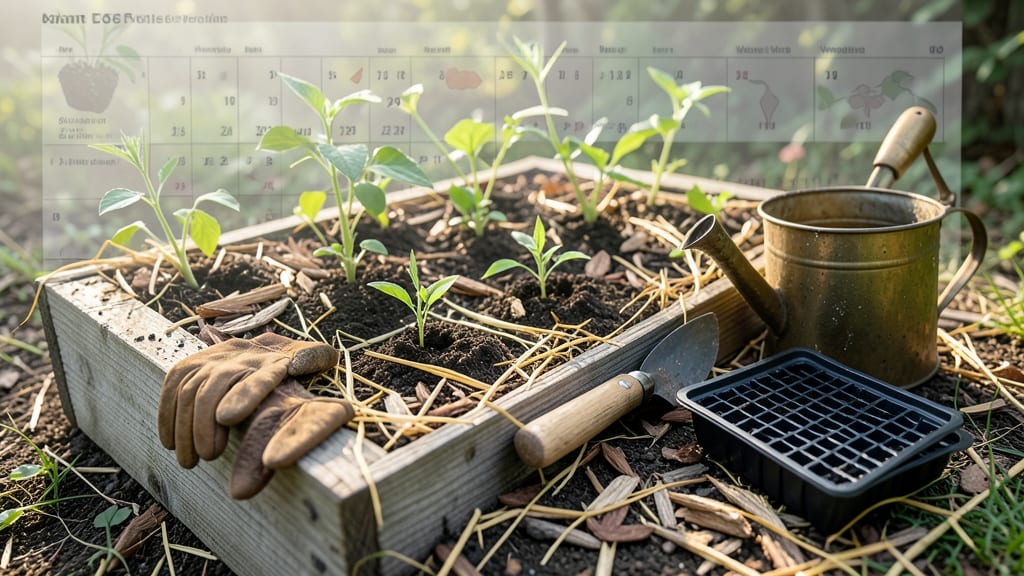
Planting your garden in West Virginia at the right time means the difference between a bountiful harvest and a wasted season.
West Virginia’s unique climate—with its cold winters and humid summers—means planting your garden at the perfect time can mean the difference between a thriving harvest and a disappointing one. Get the exact dates for planting vegetables, flowers, and herbs in WV’s USDA zones 5b-7a to maximize your garden’s potential.
Whether you’re starting seeds indoors in February or transplanting warm-season crops after the last frost in mid-April, timing is everything. I’ll break down the best months for each plant type, including how to adjust for WV’s mountain valleys and river regions where frost comes earlier or later.
By the end, you’ll know exactly when to plant your 🌱 General Garden Plants (West Virginia)—from cool-loving lettuce to heat-loving tomatoes—and how to stretch your growing season for a longer harvest.
West Virginia planting calendar by USDA Zone: exact dates for vegetables, flowers, and herbs
West Virginia’s USDA zones 5b-7a create a diverse planting landscape, where last spring frost dates can vary by two weeks between mountain regions and river valleys.
For Zone 5b (northern WV), aim for April 15-30 for warm-season crops, while Zone 7a (southern WV) can start as early as March 20-April 10. Understanding these microclimates is key to avoiding frost damage while extending your growing season.
Cool-season vegetables like lettuce and spinach thrive when planted 4-6 weeks before last frost, typically March 1-March 31 in most zones. Warm-season favorites such as tomatoes and peppers need soil temperatures above 60°F, usually achieved by May 1-June 1.
Herbs like basil and coriander also prefer warmer soil, making late April-early May ideal for transplanting.
Here’s your zone-specific planting guide for WV’s most popular crops, including exact dates, frost-free windows, and succession planting tips to maximize your harvest.
| Plant Type | USDA Zone 5b | USDA Zone 6a | USDA Zone 7a | Notes |
|---|---|---|---|---|
| Cool-Season Vegetables (Lettuce, Spinach, Kale) | March 1-March 31 (direct sow) | Feb 25-April 15 | March 1-April 30 | Succession plant every 2 weeks |
| Warm-Season Vegetables (Tomatoes, Peppers, Eggplant) | May 15-June 1 (after soil reaches 60°F) | April 20-May 15 | March 20-April 10 (start indoors) | Use row covers for early starts |
| Beans & Peas (Bush & Pole) | May 1-May 15 (direct sow) | April 15-May 1 | March 20-April 15 | Pole beans need trellis support |
| Herbs (Basil, Cilantro, Dill) | May 1-May 15 (transplant) | April 15-April 30 | March 20-April 10 | Basil hates frost; wait for warm soil |
| Annual Flowers (Marigolds, Zinnias, Petunias) | May 1-May 15 (after frost) | April 15-April 30 | March 20-April 15 | Deadhead for continuous blooms |
| Fall Planting (Kale, Carrots, Radishes) | August 15-September 15 (4-6 weeks before first frost) | August 1-September 10 | July 20-August 30 | Use frost blankets for extension |
How to adjust planting times for West Virginia’s microclimates and soil conditions
West Virginia’s diverse geography—from the Appalachian Mountains to the Ohio River Valley—creates microclimates that can shift planting times by 2-4 weeks within just a few miles.
Urban areas like Charleston often experience heat islands that warm soil faster, while higher elevations in Pocahontas County may still see frost in late May. Understanding these variations helps you time plantings precisely for your specific location.
Soil conditions further complicate timing. West Virginia’s clay-heavy soils in the eastern panhandle drain poorly, while sandy loams in the northern counties dry out quickly. Soil temperature—not just air temperature—determines when seeds will germinate.
For example, tomatoes need soil at 60°F+, while peas can tolerate cooler 40°F soils. Adjusting for these factors ensures your plants thrive from day one.
- Elevation Adjustments: Add 1 week for every 1,000 ft above sea level. Mountain gardens (e.g., Lewisburg) plant 2-3 weeks later than river valleys (e.g., Huntington).
- Urban vs. Rural: Urban areas (pavement absorbs heat) can plant warm-season crops 10-14 days earlier. Rural farms with open fields may need to wait 7-10 days longer.
- Soil Drainage Test: Dig a 6-inch hole, fill with water. If it drains in 2 hours, your soil is ideal. If it pools after 6+ hours, amend with compost or sand before planting.
- Row Covers for Early Starts: Use floating row covers to plant cool-season crops 3-4 weeks before the last frost date. Remove covers when plants flower to allow pollination.
- Cold Frames for Heat-Loving Plants: Extend the season by 4-6 weeks for tomatoes and peppers. Place frames on south-facing slopes for maximum sun exposure.
- Succession Planting: Sow fast-growing crops (e.g., radishes, bush beans) every 2 weeks from April to July for continuous harvests.
- Watch for False Springs: WV’s unpredictable weather can bring frost even after 50°F+ days. Monitor National Weather Service alerts and keep row covers handy.
If you’re gardening in Zone 5b (northern WV), start cool-season crops like kale and spinach indoors in late February and transplant after the last frost (mid-April).
For Zone 7a (southern WV), you can direct-sow warm-season crops like squash and corn as early as late March in protected microclimates. Always check your local cooperative extension service for frost-free date updates, as these can vary yearly.
For poorly draining soils, consider raised beds filled with a mix of topsoil, compost, and perlite.
This improves drainage and warms up faster in spring, letting you plant 2 weeks earlier than in-ground gardens. Mulch heavily with straw or leaves to regulate soil temperature and retain moisture, which is critical in WV’s humid summers and dry spells.
Pro tip: Use a soil thermometer to monitor temperatures at 4-inch depth. Most seeds need soil temps between 50°F–90°F to germinate. If your soil is too cold, opt for cold-hardy varieties like Swiss chard or arugula instead of heat-lovers like eggplant.
By accounting for your microclimate, soil type, and WV’s fickle weather, you’ll extend your growing season and enjoy bigger, healthier harvests—even if your neighbor’s garden struggles. Start small, experiment with timing, and don’t hesitate to adjust on the fly based on Mother Nature’s whims.