
Planting
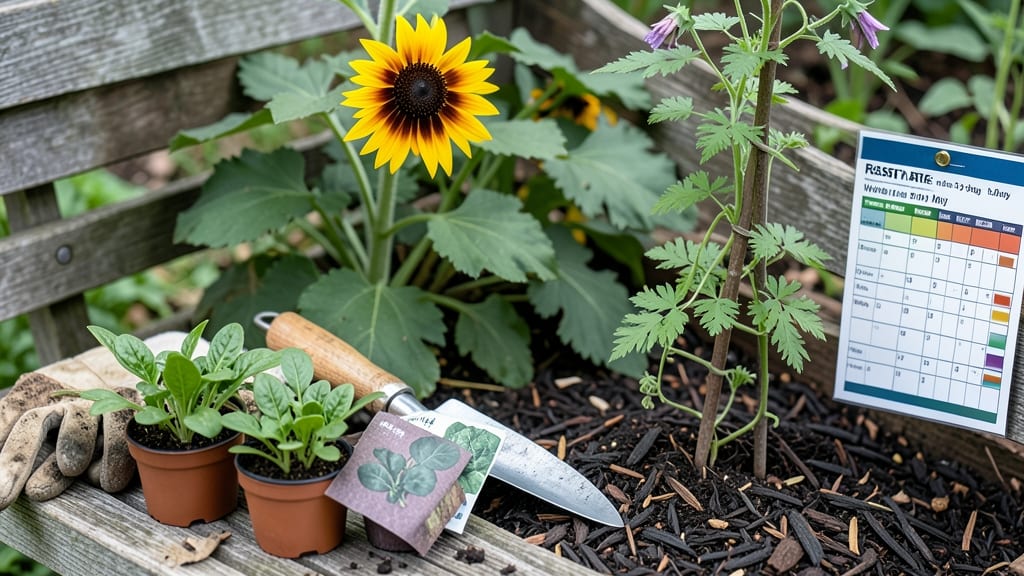
Planting a garden in Wisconsin means timing your seeds and transplants to dodge late frosts and short growing seasons—get it wrong, and you’ll watch your hard work melt into the soil.
Wisconsin gardeners know timing is everything—plant too early and risk frost damage, too late and miss the growing season. But with the right zone-specific deadlines, you can maximize yields and avoid costly mistakes.
Whether you’re in USDA Zone 3 up north or Zone 5 in the south, the key is knowing when to start seeds indoors and when to set plants outside.
I’ll break down the exact windows for cool-season crops like spinach and peas, as well as warm-season favorites like tomatoes and peppers.
You’ll also learn how to adjust for Wisconsin’s unpredictable weather, from protecting seedlings during late frosts to extending the season with row covers. Let’s get your garden off to the best possible start—no guesswork, just results.
Wisconsin planting zones: when to start seeds indoors vs outdoor planting dates
Wisconsin spans USDA hardiness zones 3-5, meaning gardeners face short growing seasons and unpredictable frosts. Northern areas like Duluth (Zone 3) have only 90 frost-free days, while southern spots like Madison (Zone 5) enjoy 120+ days.
Understanding these differences helps you time plantings perfectly and avoid costly mistakes.
For cool-season crops like spinach and peas, you can plant outdoors as early as March in southern Wisconsin, but wait until late April in the north. Warm-season favorites such as tomatoes and peppers need soil temperatures above 60°F—typically mid-May to early June—and often require indoor starts 6-8 weeks before the last frost.
Here’s how to navigate Wisconsin’s planting timeline with precision:
| Region & Zone | Last Frost Date | Indoor Seed Start (Warm Crops) | Outdoor Planting Window | Key Notes |
|---|---|---|---|---|
| Northern WI (Zone 3) | May 15–June 1 | March 1–March 15 |
|
Use row covers; extend season with cold frames. |
| Central WI (Zone 4) | May 1–May 15 | March 15–April 1 |
|
Soil warms faster; prioritize early starts. |
| Southern WI (Zone 5) | April 15–May 1 | April 1–April 15 |
|
Longer season; try late-season crops like kale. |
Start cool-season vegetables like lettuce and broccoli indoors 4-6 weeks before your last frost date. For warm-season crops such as peppers and eggplants, begin seeds 6-8 weeks indoors—these need longer growing periods and can’t tolerate frost.
In Zone 3 areas, opt for fast-maturing varieties like ‘Early Girl’ tomatoes or ‘Quick Pick’ cucumbers.
Herbs like basil and cilantro thrive with direct sowing after frost (late May in most zones), while perennials such as lavender should go in early spring or fall for best root establishment. Flowers like marigolds can handle cooler temps, making them ideal for early spring or late fall plantings.
Always check soil temperatures—use a soil thermometer—before planting warm crops. Cold soil slows germination, and seeds may rot. Aim for 60°F+ for warm crops and 40°F+ for cool crops. In northern Wisconsin, consider greenhouse starts or row covers to extend the season.
For herbs like dill and parsley, direct sow after frost, but basil needs warmth—wait until mid-May in Zone 4 or June in Zone 3. Perennials like coneflowers can be planted in early spring or fall, but annuals like zinnias should wait until after frost for best blooms.
Pro tip: Mark your calendar with local frost dates from your cooperative extension office. These dates shift yearly! For Duluth (Zone 3), plan to start seeds indoors by March 1 and transplant by June 1.
In Madison (Zone 5), you can plant outdoors as early as April 15 for cool crops.
Don’t forget succession planting—sow radishes every 2 weeks for continuous harvests or replace bolted lettuce with spinach in late summer. This maximizes your short Wisconsin growing season and ensures a steady supply of fresh produce.
With these zone-specific deadlines, you’ll avoid frost damage and missed harvests, making the most of Wisconsin’s unique climate challenges
Best month-by-month planting schedule for Wisconsin gardens
Wisconsin's short growing season demands precision timing to grow a thriving garden. Northern regions like Duluth (Zone 3) have just 120 frost-free days, while southern areas like Madison (Zone 5) enjoy 150 days. This schedule balances both extremes for vegetables, flowers, and perennials.
Cool-season crops like spinach and peas thrive in early spring and fall, while tomatoes and peppers need warm soil and long summer days. Perennials like coneflowers establish best in early spring before summer heat. Below is your month-by-month guide with regional adjustments.
| Month | Cool-Season Crops | Warm-Season Crops | Perennials & Flowers | Notes |
|---|---|---|---|---|
| March | Start spinach, peas indoors | Start tomatoes, peppers indoors | Prune perennials after dormancy | Zone 5: Direct sow hardy lettuce |
| April | Direct sow radishes, kale | Harden off indoor seedlings | Plant bulbs (tulips, daffodils) | Wait until soil reaches 40°F |
| May | Plant carrots, broccoli after frost | Transplant tomatoes, peppers after last frost | Plant annuals (marigolds, zinnias) | Zone 3: Wait until May 15 |
| June | Sow late spinach, peas | Plant beans, cucumbers after soil warms | Deadhead spent blooms | Mulch to retain moisture |
| July | Harvest cool crops | Plant succession crops (beans, lettuce) | Fertilize perennials for blooms | Watch for pests (tomato hornworms) |
| August | Plant fall broccoli, kale | Start winter squash for harvest | Divide overcrowded perennials | Zone 5: Extend season with row covers |
| September | Direct sow spinach, peas for fall | Harvest warm-season crops before frost | ★★★★★4.7(7 reviews) |