
Planting
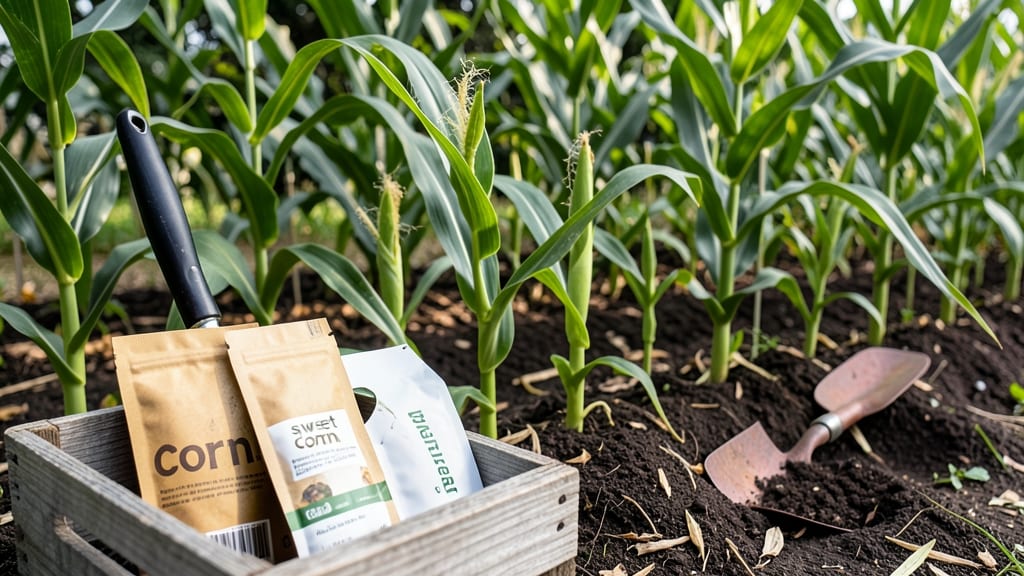
Planting your garden in Iowa at the right time means the difference between a thriving harvest and wasted effort — and the last frost date is the single most important number to know.
Iowa’s unpredictable frost dates and shifting microclimates make planting your garden at the wrong time mean the difference between a bountiful harvest and wasted seeds — so timing is everything.
Whether you're sowing cool-season crops like peas or waiting for the soil to warm up for tomatoes, getting it wrong can leave you staring at blank rows by summer.
This guide breaks down Iowa’s USDA zones 5a-6b with exact planting windows, from starting seeds indoors to direct-sowing outdoors, so you can match your garden’s needs to your local climate.
We’ll also cover heat-tolerant crops and how to adjust for Iowa’s notorious late frosts, ensuring your garden thrives when it matters most.
Discover the perfect timing for your garden, avoid common mistakes, and learn how to extend your growing season — no matter where you are in the state.
Iowa planting zones: when to start seeds indoors vs. direct-sow outdoors by month
Iowa’s USDA Plant Hardiness Zones 5a-6b create a unique gardening challenge with late spring frosts and short growing seasons. Knowing when to start seeds indoors versus direct-sowing outdoors is critical—one wrong move can mean lost seedlings or stunted crops.
Based on 2024 climate trends, I’ll break down the ideal windows for cool-season and warm-season plants, including frost date adjustments for southern vs. northern Iowa.
Your last average frost date in Iowa ranges from April 15 in southern zones (5b) to May 10 in northern zones (5a). However, recent data shows a 5-day shift later in frost dates due to warmer winters.
For 2024, I recommend planning for May 1 as your safe transplant date in most regions, with exceptions for heat-loving crops like tomatoes and peppers.
Comparison Table: Iowa Planting Timeline by Zone and Crop Type
For cool-season crops like lettuce, spinach, and peas, I recommend starting seeds indoors in February or March for an early jump. These plants thrive in 40-60°F soil and can handle light frosts, so direct-sowing as early as March 15 in southern Iowa works well.
In Zone 5a, wait until April 10 to avoid frost damage.
Warm-season crops such as tomatoes, peppers, and cucumbers need a longer growing season. Start these indoors in March
Heat-tolerant vegetables for Iowa: best crops to plant early (pre-May) vs. late (post-June)
Iowa’s variable spring temperatures and late frost risks demand smart planning for your vegetable garden. Cool-season crops thrive when planted before May, while heat-loving varieties need warmer soil—typically after June. The key is matching each plant’s optimal temperature range with Iowa’s USDA Zones 4a-5b climate.
Early planting (pre-May) focuses on hardy vegetables that tolerate light frosts, like peas and spinach. These crops establish roots quickly before summer heat arrives. Meanwhile, late-season plantings (post-June) prioritize heat-resistant varieties such as okra and sweet potatoes, which flourish in Iowa’s hot July-August temperatures.
Here’s a risk vs. reward breakdown to extend your growing season while minimizing losses from unpredictable weather or pests:
| Vegetable | Best Planting Window | Heat Tolerance | Days to Maturity | Risk Level |
|---|---|---|---|---|
| Peas (snap/snow) | Early April–May 1 | Low (cool-season) | 50–70 days | Low (frost-hardy) |
| Spinach | March–April | Low (bolts in heat) | 30–50 days | Medium (short season) |
| Sweet Corn | Late May–June 15 | Moderate (needs warmth) | 60–90 days | High (pests/drought) |
| Pole Beans | June 1–July 1 | High (thrives in heat) | 50–60 days | Low (drought-tolerant) |
| Okra | June 15–July 15 | Very High | 50–65 days | Medium (needs heat) |
| Sweet Potatoes | Late May–June 1 | Very High | 90–120 days | Low (long season) |
For early plantings, focus on cool-season vegetables like peas and spinach. These crops handle Iowa’s late spring frosts and mature before summer heat peaks. Direct-sow seeds into well-drained soil when temperatures hover around 40–50°F at night.
Shift to heat-tolerant varieties after June 1, when soil temperatures consistently exceed 60°F. Pole beans and okra are excellent choices—they thrive in Iowa’s July-August heat and offer long harvest windows. Use mulch to retain moisture and shade cloth for seedlings during heatwaves.
Extend your season further by succession planting heat-lovers like beans every 2–3 weeks until August. This strategy ensures continuous harvests while minimizing pest pressure from concentrated plantings. Always monitor <