Planting
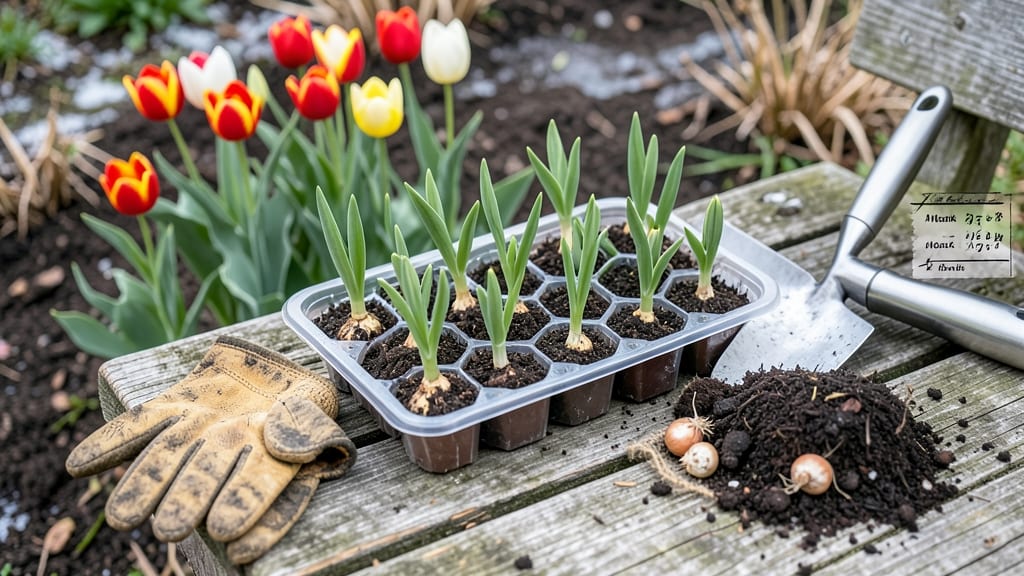
Planting your garden in Connecticut at the right time means the difference between a bountiful harvest and a sad pile of frost-nipped seedlings.
Connecticut’s unpredictable spring weather can turn a gardener’s timing into a guessing game—but knowing your Zone 6b frost dates and plant-specific schedules ensures your garden thrives, not withers.
Whether you’re sowing cool-season crops like spinach or waiting for warm-season favorites like tomatoes, the last frost date (April 15) and soil temperature are your best guides.
Below, I break down the exact windows for everything from early spring greens to late-summer blooms, plus how to stretch your season with simple tricks like row covers.
Critical frost dates for Connecticut Zone 6b: when to plant based on last & first frosts
Connecticut’s Zone 6b climate means gardeners must work with a short but productive growing season—just 165 frost-free days on average. The difference between a thriving garden and a failed crop often comes down to understanding your last spring frost and first fall frost dates.
Coastal areas like New London may see frost 1-2 weeks later than inland regions like Hartford, so local adjustments are key.
For most of Connecticut, the average last frost date falls between April 15 and May 15, while the first frost typically arrives between October 15 and November 15. However, these dates can shift dramatically based on microclimates, like urban heat islands or sheltered valleys.
To play it safe, I recommend waiting until the 10-day rule is satisfied—planting only after the frost risk drops below 10% for your specific area.
📅 Pro Tip: Use the National Weather Service’s Frost/Freeze Forecast or your local CT Agricultural Extension for real-time updates. Even a light freeze (28°F) can damage tender seedlings, so don’t rush the calendar!
| Region | Avg. Last Spring Frost | Avg. First Fall Frost | Safe Planting Window | Microclimate Notes |
|---|---|---|---|---|
| Coastal (New London, Groton) | May 1–15 | Nov 1–15 | May 16–Oct 31 | Moderate temps; extend season by 10–14 days |
| Inland (Hartford, New Haven) | April 15–May 1 | Oct 15–Nov 1 | May 2–Oct 14 | Colder nights; use row covers for early crops |
| Urban Heat Islands (Bridgeton, Stamford) | April 20–May 5 | Oct 20–Nov 5 | May 6–Oct 19 | Warmer soil; plant heat-loving crops earlier |
| Valleys (Litchfield, Torrington) | May 1–10 | Oct 10–20 | May 11–Oct 9 | Cold air pockets; delay planting by 3–5 days |
Understanding these regional variations helps you avoid common mistakes, like planting tomatoes too early in inland areas or lettuce too late in coastal zones. For example, if you’re in Hartford and want to plant peppers, wait until May 15—even if the calendar says it’s safe earlier.
Soil temperature matters just as much as air temperature; use a soil thermometer to confirm it’s above 60°F for warm-season crops.
Historical data shows that early May frosts aren’t uncommon in Zone 6b, so I always err on the side of caution. For instance, in 2018, a late frost hit May 12, damaging young tomato and pepper seedlings across the state.
To mitigate risks, I start cool-season crops like spinach and peas indoors by March 15 and harden them off before transplanting after the 10-day rule is met.
Another key strategy is adjusting for microclimates. Urban areas like Bridgeton can be 5–10°F warmer than rural spots, allowing you to plant warm-season crops like cucumbers and beans a week earlier.
Conversely, valleys and low-lying areas often experience frost 3–5 days later than surrounding regions, so delay planting there accordingly.
For fall planting, the same logic applies in reverse. I aim to sow cool-season crops like kale and carrots by August 15 to ensure they mature before the first frost.
If you’re pushing the envelope—like planting basil for a late harvest—use row covers or cold frames to buy an extra 2–3 weeks of growing
Planting timeline for CT gardens: what to sow when (cool-season vs. warm-season crops)
Timing is everything in Connecticut gardening, where Zone 6b frost dates dictate when to plant cool-season crops like spinach and broccoli versus warm-season favorites such as tomatoes and peppers.
Cool-season plants thrive in 45–65°F soil, while warm-season crops need 60°F+ soil—a difference that can mean the difference between a bountiful harvest and a sad, wilted disappointment.
In Connecticut, cool-season crops should be sown 4–6 weeks before your last expected frost (typically April 15 in most regions). Meanwhile, warm-season crops must wait until after Mother’s Day weekend (late May) when soil temperatures consistently reach 60°F.
Let’s break down the exact schedule for each category, including succession planting tips to maximize your harvest.
| Plant Type | Planting Window | Soil Temp | Succession Planting | CT-Specific Tip |
|---|---|---|---|---|
| Cool-Season Crops | March 15–April 15 August 1–September 15 |
45–65°F | Every 2–3 weeks | Use row covers for early starts |
| Warm-Season Crops | After May 15 July 15–August 15 |
60°F+ | Every 3–4 weeks | Test soil with a thermometer before planting |
| Examples | Spinach, Peas, Broccoli Tomatoes, Peppers, Cucumbers |
— | — | Coastal areas plant 1 week earlier |
For cool-season crops, start with hardy greens like spinach and kale in early March, followed by broccoli and cabbage by mid-March. These plants handle light frosts and can even be planted in late summer for fall harvests.
My favorite trick? Sow peas in late August—they’ll mature just before the first frost, giving you a sweet harvest in October.
Warm-season crops, however, demand patience. Tomatoes and peppers won’t tolerate frost, so wait until after May 15 (or when soil hits 60°F) to transplant seedlings.
If you’re eager, start seeds indoors in March and transplant after the last frost. Cucumbers and squash also thrive in warm soil, so don’t rush—they’ll bolt if planted too early.
Don’t forget succession planting! For bush beans and lettuce, sow new seeds every 2–3 weeks to ensure a continuous harvest. In CT, this means planting bush beans in early June, July, and August for a prolonged supply.
The key is to space plantings evenly and keep soil moist to encourage germination.
One CT-specific exception? Hardy greens like Malabar spinach can handle light frosts and even brief freezes, making them perfect for late-summer plantings. Meanwhile, heat-tolerant varieties like ‘Heatmaster’ tomatoes extend your warm-season harvest into September.
Always check seed packets for days to maturity—this tells you exactly when to plant for a fall harvest before frost.
Pro tip: Use a soil thermometer to avoid guesswork. If your soil is below 50°F in spring or below 60°F in summer, hold off planting. And if you’re in a coastal microclimate, you can plant 1–2 weeks earlier than inland areas.
Happy planting—your garden’s success starts with the calendar! 🌱