
Planting
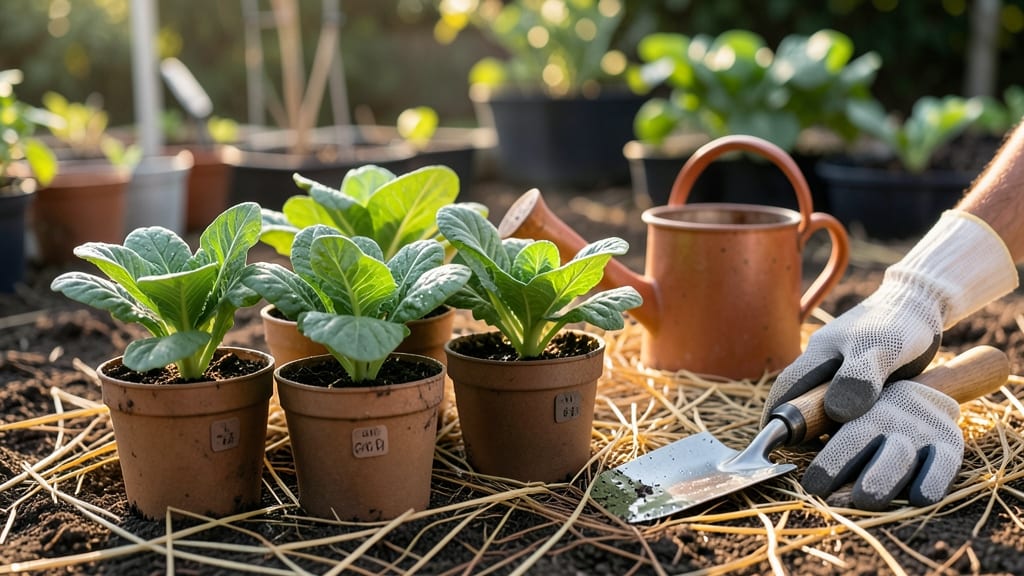
Planting a fall garden in Louisiana starts between mid-August and mid-September — timing that balances fading summer heat with the coming frost.
Louisiana’s long, humid summers can trick even experienced gardeners into planting too late for a thriving fall harvest. If you miss these critical deadlines before September 15, you might end up with stunted growth, pest invasions, or wasted seeds.
Unlike cooler climates, Louisiana’s heat lingers well into fall, meaning heat-tolerant crops like sweet potatoes and collard greens have a longer window, while cooler-season veggies like broccoli need precise timing. The key is knowing your region’s microclimate—North Louisiana’s cooler nights vs. South Louisiana’s lingering warmth.
Below, I’ll break down the exact planting windows by region, the 3 biggest mistakes gardeners make, and how to pick crops that thrive in Louisiana’s unique fall conditions—so you can avoid the common pitfalls and enjoy a bountiful harvest.
Louisiana fall planting deadlines by region: exact dates to avoid common mistakes
Louisiana’s fall planting season is a race against time—literally. The state’s three distinct regions (North, Central, South) have unique microclimates that dictate when to plant heat-tolerant crops like okra versus cool-season staples like broccoli.
Plant too early, and your lettuce bolts in August heat; too late, and frost nips tender greens before harvest. Here’s the exact timeline you need to avoid these costly mistakes.
First, understand that September 15 is your hard cutoff for most fall crops in Louisiana. After this date, soil temperatures drop below 65°F, slowing germination and inviting fungal diseases.
However, Southern Louisiana (New Orleans) can push deadlines by 7-10 days thanks to its warmer Gulf-influenced climate, while Northern Louisiana (Shreveport) may need to start 2 weeks earlier to beat frost.
Below is your region-specific planting calendar, including heat-tolerant crops that can handle late starts and cool-season crops that demand precise timing. Pro tip: Succession plant heat-lovers like sweet potatoes and collard greens every 2 weeks through October for extended harvests.
🌱
Tomatoes, Peppers: Aug 20–Aug 31
Lettuce, Spinach: Sep 15–Sep 25
Sweet Potatoes: Aug 25–Sep 10
Carrots, Beets: Sep 10–Sep 25
Sweet Potatoes: Sep 1–Sep 15
Spinach, Arugula: Sep 15–Oct 1
For Northern Louisiana, where first frost can hit as early as November 15, prioritize fast-maturing crops like bush beans (50 days) and radishes (25 days).
In Central Louisiana, you’ve got a slightly longer window—aim for 60-day crops like collard greens or turnips to ensure harvests before December 1. Meanwhile, Southern Louisiana gardeners can afford to plant slow growers like broccoli (80 days) or cabbage (90 days) thanks to milder winters.
Here’s a critical adjustment for hurricane season: If a storm is forecasted between August and October, pause planting for 7–10 days post-storm. Compacted, waterlogged soil stalls germination, and floating debris can damage young seedlings.
Instead, use this time to prep beds with compost or mulch to improve drainage when you’re ready to replant.
One common mistake I see is planting cool-season crops too early. For example, lettuce seeds sown in early August in Baton Rouge will bolt (go to seed) by September due to soil temps above 80°F.
Instead, direct-sow lettuce after September 1 when daytime temps drop below 85°F. Use shade cloth for 2–3 weeks post-transplant to protect tender greens from late-summer heat spikes.
For heat-tolerant crops, like okra or sweet potatoes, start seeds indoors 4–6 weeks before your region’s last recommended date. Harden off seedlings for 7–10 days before transplanting to avoid transplant shock. In Shreveport, this means indoor starts by July 15; in **New
3 Critical mistakes Louisiana gardeners make planting fall crops (and how to fix them)
Planting a fall garden in Louisiana requires precision—one wrong move, and your cool-season crops could bolt or fail entirely. I’ve seen gardeners rush to plant lettuce in August only to watch it wilt under the 90°F+ heat.
The key? Understanding soil temperature thresholds and regional microclimates before your seeds hit the dirt.
Even experienced growers miss the September 15 deadline for many crops, thinking they have more time. But by then, days shorten rapidly, and heat-sensitive greens struggle to establish roots. The solution? Start with heat-tolerant varieties and use shade cloth to protect young seedlings during the transition.
⚠️ callout-warning
⚠️ DON’T PLANT TOO EARLY!
Louisiana’s soil stays too warm for cool-season crops before mid-August. Planting lettuce or spinach in July? Your seeds will rot or sprout too fast, then bolt. Wait until soil temps drop below 85°F—use a soil thermometer to check!
Fix: Start heat-tolerant crops (like collard greens) in early August, then transition to broccoli or kale after September 1.
Another common mistake? Ignoring succession planting for continuous harvests. Many gardeners plant everything at once, then face a glut of produce followed by nothing. The fix? Space out plantings every 2–3 weeks for crops like radishes or bush beans. This ensures a steady supply and prevents waste.
Louisiana’s humidity and pests also play a role. Without proper mulching or row covers, your fall crops become a buffet for aphids and slugs. I recommend straw mulch to retain moisture and deter pests—plus, it regulates soil temperature for those cool-season seedlings.
For urban gardeners, container gardening is a game-changer. Use 5-gallon pots for bush beans or lettuce, and place them in partial shade during peak afternoon heat.
This buys you extra weeks of growing time before the first frost—typically mid-November in North Louisiana to late November in New Orleans.
Pro tip: Mark your calendar for September 15 as the last day to direct-sow cool-season crops. After that, focus on transplants or microgreens, which mature faster. With these fixes, you’ll avoid the 3 biggest fall gardening blunders and enjoy a bountiful harvest—no wasted seeds in sight! 🌱