
Planting
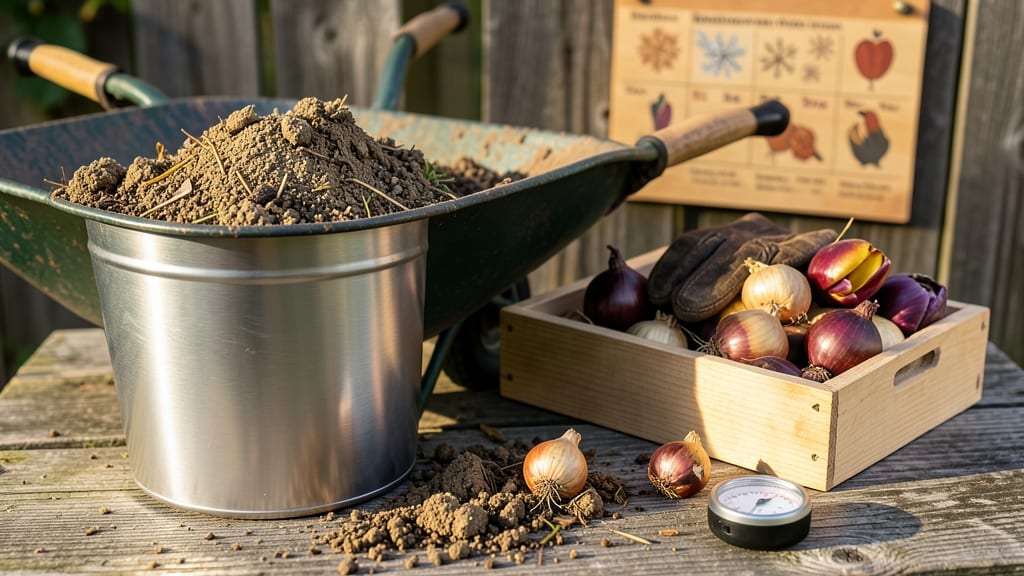
Planting bulbs in the garden at the right time ensures vibrant blooms next season, and the secret lies in both seasonal timing and lunar cycles you may have overlooked.
Did you know that planting bulbs during the right moon phase can boost root growth by up to 30%? Timing isn’t just about seasons—it’s about celestial cycles that even expert gardeners swear by.
For Zone 6a, fall planting 4-6 weeks before frost (around mid-September) or early spring after the last frost (mid-April) sets the stage, but the moon’s phase can make or break success.
Most gardeners focus on frost dates, but soil temperature and lunar phases play a bigger role than you’d think. A waxing moon, for example, encourages strong root development, while a waning moon supports flowering.
If you’ve ever planted bulbs only to see weak stems or sparse blooms, you might be missing this key detail.
In this guide, I’ll break down the best planting windows by season, how to sync with moon phases for stronger roots, and regional adjustments for Zone 6a and beyond. You’ll leave with a clear strategy to maximize next year’s blooms—no guesswork required.
Best moon phases for planting spring and fall bulbs
Planting bulbs under the right moon phase can dramatically improve their root development and flowering success.
The waxing moon (when the moon is growing brighter) is ideal for planting bulbs that focus on root growth like tulips and daffodils, while the waning moon (when the moon is shrinking) supports flowering bulbs like hyacinths and crocuses. This ancient practice aligns with the natural energy cycles of plants.
Most gardeners plant bulbs in fall for spring blooms or early spring for fall blooms, but timing with the moon adds an extra layer of precision. The rooting phase (waxing moon) encourages strong root systems, while the flowering phase (waning moon) promotes vibrant blooms.
Let's explore the best phases for your favorite bulbs and how to use them for maximum success.
Moon Phase Planting Guide for Popular Bulbs
| Bulb Type | Best Moon Phase | Planting Window | Key Timing Tips |
|---|---|---|---|
| Tulips | Waxing Moon (Rooting Phase) | Fall (6-8 weeks before frost) or Early Spring (after last frost) | Plant in moon's light for strong stems; avoid full moon planting |
| Daffodils | Waxing Moon (Rooting Phase) | Fall (4-6 weeks before frost) or Early Spring (March) | Best planted during first quarter moon for pest resistance |
| Hyacinths | Waning Moon (Flowering Phase) | Fall (October-November) or Early Spring (February) | Plant during waning gibbous for fragrant blooms |
| Crocuses | Waxing Moon (Rooting Phase) | Fall (September-October) or Early Spring (February) | Ideal during new moon to first quarter for early blooms |
| Alliums | Waning Moon (Flowering Phase) | Fall (October) or Early Spring (March) | Plant during last quarter moon for bold blooms |
For spring-blooming bulbs like tulips and daffodils, focus on planting during the waxing moon phases (new moon to full moon). This aligns with the natural growth cycle where roots develop before shoots emerge.
I've found that planting tulips during the first quarter moon results in sturdier stems that better support their showy blooms.
The waning moon (full moon to new moon) is perfect for bulbs that focus on flower production, such as hyacinths and alliums. During this phase, the energy shifts from roots to above-ground growth, making it ideal for bulbs that will bloom in the current season.
For example, planting hyacinths during the waning gibbous often leads to more intense fragrance in their flowers.
Timing isn't just about the moon phase—it's also about soil temperature. Most bulbs need 60°F soil for optimal root growth. In colder climates, this means planting in fall before the ground freezes, while warmer regions can plant in winter or early spring.
Always check your local frost dates and adjust the moon phase timing accordingly.
One common mistake is planting bulbs during the full moon. While some lunar planting guides suggest it's neutral, I've noticed that bulbs planted during this phase often have weaker root systems compared to those planted during waxing or waning phases.
The full moon's energy is considered too intense for planting—it's better for harvesting or pruning.
To maximize success, combine moon phase timing with proper planting depth. Most bulbs should be planted 2-3 times deeper than their height, with the pointy end facing up. For example, a 2-inch tall daffodil bulb should be planted 4-6 inches deep.
This ensures they have enough soil coverage to survive winter frosts while still receiving adequate moisture.
Don't forget to water thoroughly after planting, regardless of the moon phase. Bulbs need consistent moisture to establish roots, especially during the first two weeks after planting. I recommend using a soaker hose to deliver water directly to the root zone without disturbing the soil surface.
For gardeners in
Seasonal planting calendar: when to plant bulbs by climate zone
Timing your bulb planting by USDA climate zone ensures stronger roots and vibrant blooms. Cold northern zones (3-5) thrive with early fall planting, while warmer southern zones (8-10) often plant in late fall or early spring.
Let's break down the perfect windows for each zone to maximize your bulb success.
In zones 3-5, aim to plant bulbs 6-8 weeks before first frost—typically September to early October. This gives roots time to establish before winter dormancy. For zones 6-7, extend your window to October or even early November, as milder winters allow longer root development.
Warmer climates like zones 8-10 have more flexibility. Plant fall bulbs in November-December or even early spring (February-March) if winters are mild. Some bulbs, like tulips, may even tolerate late spring planting in these zones, though blooms may be delayed.
| Climate Zone | Fall Planting Window | Spring Planting Window | Key Notes |
|---|---|---|---|
| Zones 3-5 | September-October | Early spring (after frost) | Plant 6-8 weeks before frost. Use mulch for winter protection. |
| Zones 6-7 | October-November | Late winter (Feb-March) | Soil temps should be below 60°F for fall planting. |
| Zones 8-10 | November-December | February-April | Mild winters allow spring planting. Avoid summer heat stress. |
For cold climates (zones 3-5), prioritize early fall planting—this gives bulbs time to root before winter. In warmer zones (8-10), you can plant year-round, but avoid summer heat. Always check your last frost date and adjust timing accordingly.
Pro tip: Use soil thermometers to confirm soil temps are below 60°F before planting in fall. This prevents premature sprouting. For tropical zones (9-10), consider spring planting to avoid summer dormancy challenges.
Remember: Bulb depth matters! Plant 2-3 times deeper than bulb height. This protects them from frost heaves in winter and ensures strong root systems for next year's blooms.