
Planting
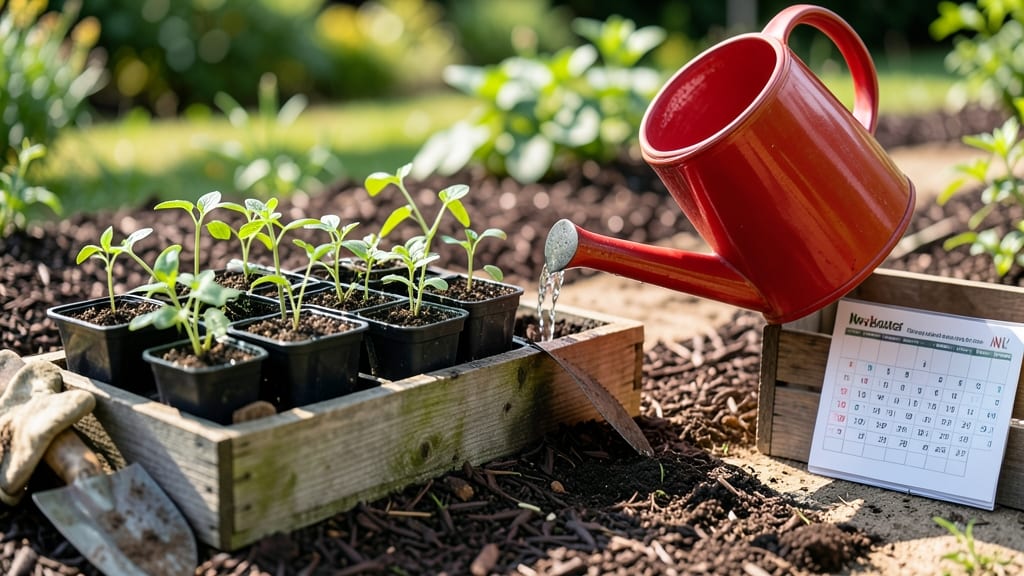
Planting a vegetable garden in NJ at the right time means the difference between a lush, productive plot and a sad, frost-bitten failure.
New Jersey’s unpredictable frost dates can turn your vegetable garden dreams into a risky gamble—but timing your plantings correctly ensures a bountiful harvest instead of wilted disappointment.
Whether you’re in North Jersey’s 6a zone or South Jersey’s milder 7b, the last frost typically arrives between mid-April and early May. Cool-season crops like lettuce and peas need to go in 4-6 weeks before that date, while tomatoes and peppers wait until 2-3 weeks after.
In this guide, I’ll break down the exact frost-free timeline by crop type, plus pro tips for extending your growing season with row covers and succession planting—so you can eat fresh veggies from your garden for months.
NJ frost dates by region: critical planting windows for vegetables
New Jersey’s frost dates vary dramatically between North and South Jersey, making regional planning essential for your vegetable garden. The last spring frost typically arrives 2-3 weeks earlier in southern counties like Cape May than in northern areas like Sussex.
These differences mean your cool-season crops like spinach and warm-season crops like tomatoes need precise timing to thrive.
Understanding these microclimates is key—coastal areas (e.g., Jersey Shore) often experience milder winters, while inland regions like the Pine Barrens can see frost as late as May 15.
Even within USDA Zones 6a-7b, your garden’s success hinges on knowing exactly when to plant to avoid frost damage or wasted effort.
For cool-season vegetables, aim to plant 4-6 weeks before your region’s last frost date. Warm-season crops like peppers and cucumbers, however, need to wait until 2-3 weeks after the last frost—planting too early risks stunted growth from lingering cold. Let’s break down the exact planting windows for your region.
In North Jersey, where frosts linger until late April, spinach and kale should hit the soil by early March.
Meanwhile, tomatoes and peppers won’t tolerate cold, so wait until early May to transplant seedlings. Central Jersey gardeners enjoy a slightly longer window—planting cool crops by mid-March and warm crops by mid-April.
If you’re in South Jersey, you’re in luck! The milder climate lets you start cool-season crops as early as mid-February. Warm-season crops like cucumbers can go in by early April, giving you an extra month of harvest time.
Coastal areas like the Jersey Shore can even push warm crops into the ground by late March, thanks to their moderate microclimate.
For Pine Barrens gardeners, the drier, sandy soil and slightly cooler nights mean you’ll need to monitor frost dates closely. Succession planting is key here—start lettuce in early March, follow with radishes in April, and then beans in May to maximize your harvest before the first frost in late October.
Pro tip: Use row covers or cold frames to extend your planting windows by 2-3 weeks in early spring or late fall. This trick works especially well for heat-loving crops like eggplants in cooler regions. Just remember to remove covers when temps rise above 80°F to avoid overheating.
Don’t let NJ’s unpredictable frost catch you off guard. Bookmark this timeline, and you’ll know exactly when to plant each crop for a bountiful harvest—whether you’re in North Jersey’s chill or South Jersey’s milder climate. Happy gardening! 🌱
Best vegetables to plant in NJ by season: month-by-month guide
New Jersey’s 6-7a USDA zones give us a 165-200 day growing season, but timing is everything. Cool-season crops like kale and peas thrive in spring’s mild temps, while tomatoes and peppers need warm soil after last frost. Here’s my month-by-month planting schedule to maximize your harvest.
Start with cool-season crops in March-April (4-6 weeks before last frost) and transition to warm-season plants in May-June (2-3 weeks after frost). For succession planting, sow fast growers like radishes every 2 weeks to keep picking all summer.
Here’s my NJ planting calendar for 12 top-performing vegetables, including heat-tolerant varieties for late summer:
| Vegetable | Planting Months | Days to Harvest | Succession Tip |
|---|---|---|---|
| Lettuce | Mar-Apr, Aug | 30-60 | Sow every 2 weeks |
| Tomatoes | May-Jun | 60-85 | Choose heat-set varieties |
| Peppers | May-Jun | 70-90 | Use row covers for early starts |
| Kale | Mar-Apr, Aug | 50-70 | Cold-hardy for fall |
| Green Beans | May-Jun | 50-60 | Plant in blocks for easy picking |
| Carrots | Mar-Apr, Aug | 60-80 | Thin seedlings early |
| Cucumbers | May-Jun | 50-70 | Trellis for space-saving |
| Radishes | Mar-Apr, Aug-Sep | 25-30 | Sow every 10 days |
| Spinach | Mar-Apr, Aug | 40-50 | Shade cloth for summer |
| Basil | May-Jun | 40-60 | ★★★★★5.0(13 reviews) |