
Planting
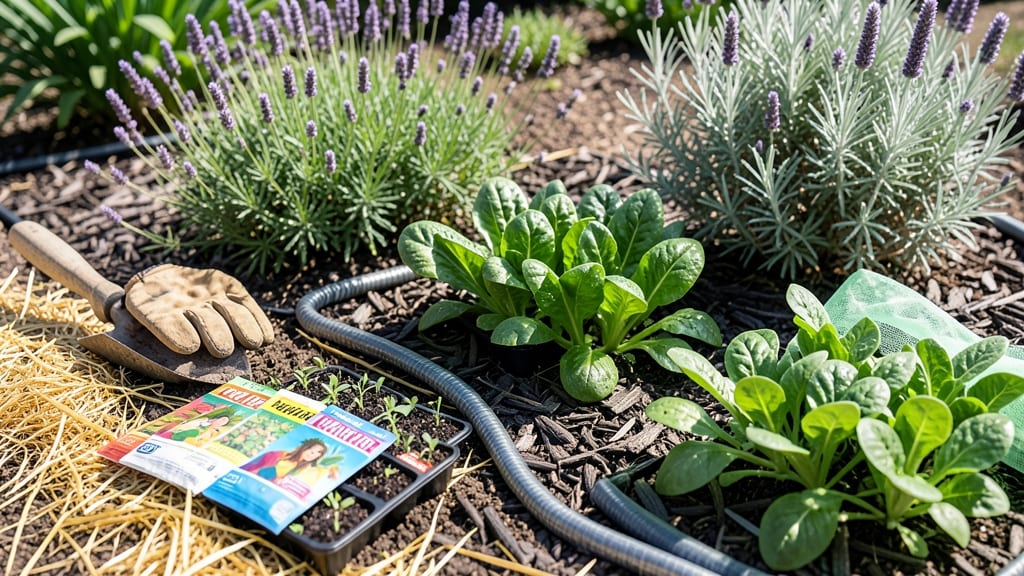
Planting a garden in Utah means timing your seeds and seedlings perfectly—because getting it wrong can leave you with wilted dreams instead of a harvest.
Utah’s diverse climate—from high deserts to mountain valleys—means planting your garden at the wrong time can mean the difference between a bountiful harvest and a sad, wilted failure.
But don’t worry: knowing your county’s frost-free dates and microclimate quirks can help you time your plantings like a pro for maximum yields.
In USDA Zones 5-9, frost dates vary wildly—think mid-March in Salt Lake City but late April in southern Utah. Cool-season crops like spinach and peas need to go in 4-6 weeks before the last frost, while tomatoes and peppers wait until the soil warms to 60°F.
Below, I break down the exact planting windows by region, plus Utah-specific hacks to stretch your growing season—so you can enjoy fresh veggies from spring to fall, no matter where you live.
Utah’s frost-free dates by county: the exact timeline for planting vegetables
Utah’s diverse microclimates create unique challenges for gardeners. While Salt Lake City might have its last frost in mid-April, St. George could still see frost in late March. Understanding your county’s frost-free dates ensures you plant at the perfect time for maximum yields.
These dates vary by elevation and geography, so let’s break it down county by county.
First, locate your USDA hardiness zone using the USDA Plant Hardiness Zone Map. Utah ranges from Zone 4b in the mountains to Zone 9a in southern deserts. For precise frost dates, check local Utah Climate Center data or National Weather Service records.
Microclimates—like urban heat islands or valley bottoms—can shift frost dates by 1-2 weeks.
Here’s a county-by-county breakdown of average last spring frost and first fall frost dates. Adjust for your specific elevation and microclimate—higher areas (e.g., Park City) frost earlier than valleys (e.g., Ogden).
For mountain counties like Summit or Duchesne, frost dates can shift by 3-4 weeks due to higher elevations. Use local weather stations or Utah State University Extension resources for hyper-local data.
For example, Park City (Zone 6a) may have its last frost in late May, while Moab (Zone 7b) rarely sees frost after mid-O
Best crops to plant in Utah by season: matching vegetables to frost dates
Utah’s diverse climate demands careful timing for planting—cool-season crops thrive in spring’s chill, while warm-season favorites need summer’s warmth. The key is matching your frost-free dates with the right vegetables. For example, spinach and peas love Utah’s early spring, while tomatoes and peppers crave the heat after the last frost.
Let’s break down the best crops for each season and how to maximize your harvest.
Your Utah county’s frost dates dictate when to plant. In Salt Lake City, the last frost typically arrives around April 15, while St. George can plant as early as March 1.
Cool-season crops like kale and carrots should go in 4-6 weeks before your last frost, while warm-season crops like cucumbers and squash need to wait until after the frost has passed. Utah’s alkaline soil also means choosing varieties that tolerate higher pH levels.
- 1 Cool-Season Crops (March–April): Plant spinach, peas, and kale 4-6 weeks before last frost. These thrive in Utah’s 50–60°F soil and can handle light frosts.
- 2 Warm-Season Crops (May–June): Wait until soil reaches 60°F+ to plant tomatoes, peppers, and cucumbers. Use row covers for early starts in cooler zones like Cache County.
- 3 Extended-Season Crops (July–August): For fall harvests, sow broccoli and carrots in late summer. Use drip irrigation to conserve water in Utah’s dry heat.
- 4 Utah-Specific Varieties: Choose drought-tolerant varieties like ‘Utah Honey’ garlic or ‘Desert King’ tomatoes, bred for Utah’s alkaline soil and low humidity.
For cool-season crops, start seeds indoors in late February for an early jump. Harden off seedlings before transplanting outdoors. In Southern Utah, where frost is rare, you can plant warm-season crops as early as March 15, but use black plastic mulch to warm the soil faster.
This trick works wonders in St. George’s desert climate, where the ground heats up quickly.
Don’t overlook fall planting—Utah’s long growing season in lower elevations allows for late harvests. Try spinach or radishes in August for a crisp fall salad. Just be mindful of early frosts in northern Utah, where October 15 can bring chilly nights.
Use row covers to extend the season by 2–3 weeks.
Pro tip: Test your soil’s pH before planting—Utah’s alkaline soil often needs amendments like sulfur or peat moss to suit vegetables like blueberries or potatoes. Aim for a pH of 6.0–7.0 for most crops. Pair this with mulching to retain moisture in Utah’s dry winds.
With the right timing and Utah-adapted varieties, you’ll turn your garden into a year-round harvest machine—no sad, wilted failures here! Start with these seasonal guidelines, and soon you’ll be enjoying homegrown tomatoes in July and fresh kale in November. Happy planting! 🌱