
Planting
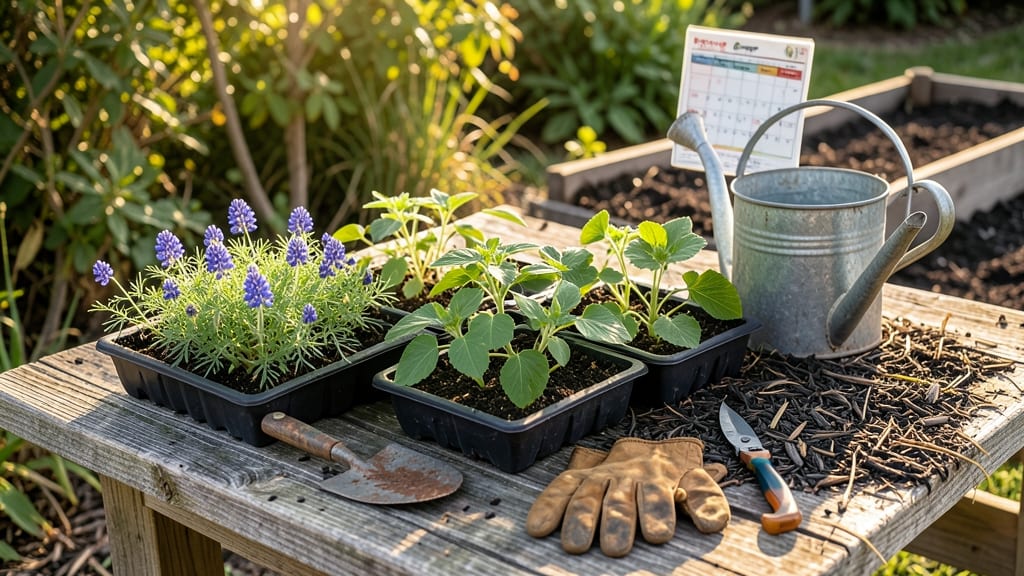
Planting a garden in Texas at the right time means the difference between a bountiful harvest and a sad, wilted mess—so knowing when to start is everything.
Texas gardeners face a unique challenge: scorching summers and unpredictable weather. Planting too early risks frost damage, while waiting too long can leave you scrambling to beat the heat. The key? Timing your crops to match your zone’s last frost and soil warmth.
From the chilly Hill Country to the humid Gulf Coast, Texas spans multiple USDA zones, each with its own planting deadlines. Cool-season crops like lettuce and broccoli need to go in early, while tomatoes and peppers thrive when the soil is warm—usually by late March or April in most regions.
In this guide, I’ll break down the exact planting windows for your zone, share heat-resistant varieties that won’t bolt in the Texas sun, and show you how to stretch your growing season for fall harvests. Ready to turn your garden dreams into reality?
Texas planting zones explained: when to start cool vs. warm season crops
Texas spans USDA Hardiness Zones 6 through 10, meaning gardeners in North Texas (Zone 7-8) face early spring frosts, while South Texas (Zone 9-10) enjoys year-round growing potential. These zones dictate when to plant cool-season crops like lettuce and broccoli versus warm-season crops like tomatoes and peppers.
Get the timing wrong, and you'll battle wilting seedlings or stunted growth.
Cool-season crops thrive in 50-75°F soil and can handle light frosts, while warm-season crops need 60-90°F soil and bolt or struggle when temperatures dip. Texas's last frost dates vary wildly—from March 15 in Zone 6 to February 1 in Zone 10.
Understanding these deadlines ensures your garden starts strong, not stressed.
Here’s your zone-specific planting guide, including exact last frost dates and heat-tolerant alternatives for late starters:
In Zone 6, start cool-season crops indoors by February 15 to transplant after the March 15 last frost. If you miss this window, opt for heat-tolerant varieties like 'Black Seeded Simpson' lettuce, which resists bolting in 80°F+ temps.
For warm-season crops, wait until April 15 when soil warms to 60°F+.
Gardeners in Zone 7-8 can push cool-season crops earlier. Start broccoli and onions indoors by January 15 and transplant by February 15. Warm-season crops like tomatoes and peppers should go in by March 20, but use row covers if late frosts linger.
Heat-tolerant 'Heatmaster' okra thrives in 90°F+ soil, perfect for summer gardens.
South Texas (Zones 9-10) offers year-round planting. Cool-season crops like spinach and kale can grow in winter months, while warm-season crops like eggplant and sweet potatoes thrive in summer heat. For late starters, 'Texas Dwarf' broccoli matures in 55 days, ideal for fall harvests.
Pro tip: Use soil thermometers to confirm soil temps—60°F+ for warm crops and 50°F+ for cool crops. If soil is too cold, delay planting or use black plastic mulch to warm it faster.
For extended seasons, try shade cloth in summer or row covers in fall to protect tender crops.
Don’t forget succession planting! In Zones 7-10, sow lettuce every 2 weeks from September to March for continuous harvests. For warm crops, plant okra and peppers in batches every 3 weeks to stagger harvests through October. This keeps your garden productive all season long.
If you’re new to Texas gardening, start small with heat-tolerant varieties like 'Solar Fire' peppers or 'Jericho' lettuce. These varieties are bred to handle Texas’s 100°F+ summers without bolting or wilting. Pair them with drip irrigation to conserve water and keep roots cool.
Finally, keep an eye on local microclimates. A
Month-by-month Texas garden calendar: what to plant in February vs. September
Texas’s unpredictable weather means your planting schedule should shift dramatically between February’s mild temperatures and September’s lingering summer heat.
In February, you’re racing against the clock to beat the last frost (typically late February to early March in most zones), while September offers a second chance for fall crops before winter sets in.
Your zone matters—North Texas (Zone 7-8) can handle early cool-season crops, while South Texas (Zone 9-10) may still see 80°F soil temperatures in February. September, however, is your golden ticket for heat-tolerant varieties like collards, kale, and broccoli that thrive in cooler fall weather.
Let’s break it down month by month.
🌱 Key Planting Deadlines for Texas Gardens
- February: Plant cool-season crops (lettuce, peas, spinach) by February 15 in North Texas; wait until March 1 in South Texas. Start warm-season seeds indoors (tomatoes, peppers) for late March transplants.
- March: Transplant tomatoes, peppers, and okra after last frost (usually March 15-30). Direct-sow beans and squash when soil reaches 60°F.
- September: Sow fall broccoli, cabbage, and carrots by September 15 for harvest before winter. Plant garlic in late September for next year’s crop.
- October: Extend your season with cold-hardy greens (kale, collards) and radishes. Cover young plants with frost cloth if nights dip below 32°F.
- Succession Tip: Every 2-3 weeks, replant fast growers like bush beans or lettuce to maximize harvests. In Texas, this means 3-4 rounds of lettuce before summer heat stops growth.
In February, focus on direct-sowing cool-season crops like radishes (25 days to harvest) and turnips (50 days), which tolerate light frosts. If you’re in Zone 9-10, you can even plant warm-season crops like sweet potatoes in February—they’ll thrive in the heat. Just mulch heavily to retain moisture.
By September, shift to heat-tolerant fall crops like ‘Florida Broadleaf’ spinach or ‘De Cicco’ 242’ broccoli, which handle 90°F days better than traditional varieties. Use shade cloth (30%) over young seedlings to protect them from intense afternoon sun while they establish roots.
Don’t forget succession planting: In Texas, you can squeeze in 3 harvests of bush beans between March and October by sowing every 3 weeks.
For September plantings, aim for crops with 60-day maturity or less to beat winter’s chill. Examples include ‘Early Wonder’ peas and ‘Paris Market’ carrots.
Pro tip: Use row covers in February to extend the season by 2-3 weeks for crops like lettuce, and black plastic mulch in September to warm the soil for slower-starting fall crops. Both tricks are game-changers in Texas’s unpredictable climate.