
Planting
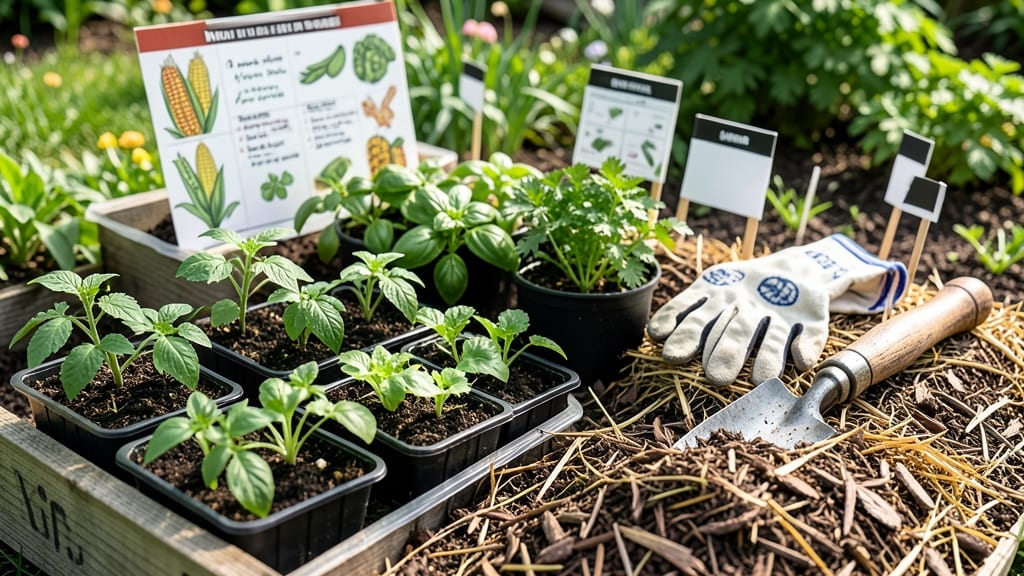
Planting a garden in Indiana at the right time is the difference between a thriving harvest and a frost-nuked disappointment — and the window is narrower than you’d think.
Indiana’s unpredictable frost dates and microclimates (think 5b-6b zones) mean planting too early can leave your 🌱 General Garden vulnerable, while waiting too long risks missing peak yields. Whether you’re growing cold-hardy greens or heat-loving tomatoes, timing is everything.
In this guide, I’ll break down the exact months to plant by crop type, using Indiana Extension Service data to help you avoid common mistakes like starting warm-season plants before the soil warms or sowing cool-season crops too late.
You’ll learn how to adjust for your specific corner of the state, from Indianapolis’s urban heat pockets to northern Indiana’s later frost risks, plus a month-by-month schedule for everything from peas to peppers.
Indiana planting calendar by month: cold-hardy crops vs warm-season starts
Indiana’s USDA Zones 5b-6b mean gardeners must balance cold-hardy crops that thrive in early spring with warm-season vegetables that need frost-free soil. The average last frost date hovers around mid-April, while the first frost typically arrives in mid-October.
Knowing these windows ensures your peas, spinach, and kale survive early planting, while your tomatoes and peppers get a head start in warm soil.
This month-by-month guide aligns with Indiana’s climate, helping you avoid frost damage and maximize yields. Whether you’re a beginner or a seasoned Hoosier gardener, these timelines will keep your garden productive from March through October.
Start with cold-hardy crops in early spring, then transition to warm-season plants after the last frost—typically by May 15 in most regions.
📅 Key Dates:
- Last Frost: Mid-April (varies by county)
- First Frost: Mid-October
- Warm-Season Safe: After May 15 (soil at 60°F+)
- Fall Planting: Late July to early September
| Month | Cold-Hardy Crops (Plant) | Warm-Season Crops (Start Indoors) | Outdoor Planting Window |
|---|---|---|---|
| March | Peas, Spinach, Kale, Lettuce, Radishes | Tomatoes, Peppers, Eggplants (4-6 weeks before last frost) | Late March (cover with row fabric) |
| April | Carrots, Beets, Onions, Potatoes, Swiss Chard | Basil, Cucumbers, Squash (start seeds) | Mid-April (after hard frost risk) |
| May | Green Onions, Arugula, Turnips | Transplant tomatoes, peppers, eggplants | After May 15 (soil 60°F+) |
| June | None (focus on warm-season) | Direct-sow beans, corn, cucumbers | Entire month (warm soil) |
| July | Fall broccoli, cabbage (start indoors) | Succession plant beans, lettuce | Late July (for fall harvests) |
| August | Spinach, Radishes, Lettuce (for fall) | Transplant late tomatoes, peppers | Early August (soil still warm) |
| September | Kale, Swiss Chard, Garlic (for spring) | None (focus on harvest) | Early September (cool crops) |
In March, focus on cold-hardy crops like peas and spinach, which tolerate light frosts. Start tomato and pepper seeds indoors 4-6 weeks before your last frost to give them a head start.
Use row covers to protect early plantings from late frosts, which can still hit in April.
By May, transition to warm-season vegetables like tomatoes and peppers once the soil reaches 60°F. Harden off indoor seedlings for 7-10 days before transplanting to avoid shock. Direct-sow beans and corn in June when nighttime temperatures stay above 55°F.
Don’t overlook fall planting! Start cool-season crops like kale and spinach indoors in July for an October harvest
How to adjust planting times for Indiana’s microclimates and frost risks
Indiana’s varied microclimates mean your garden in Northern Indiana (like Fort Wayne) may experience frost weeks after Southern Indiana (like Evansville). Elevation changes of just 500 feet can shift frost dates by 1-2 weeks, while urban areas like Indianapolis often stay 3-5°F warmer than rural zones.
Even within USDA Zones 5b-6b, your last spring frost could range from April 15 (Evansville) to May 1 (Gary). Warm-season crops like tomatoes and peppers planted too early in cooler zones risk stunted growth, while cold-hardy greens left in too late may bolt before harvest.
🚨
⚠️ Indiana Frost Date Trap
Never use the average last frost date as your planting deadline. In 2022, Indianapolis saw frost as late as May 12, while Evansville’s last frost came April 22—a 3-week difference. Always wait until soil temps reach 60°F for warm-season plants.
To fine-tune your schedule, start by checking local frost records from the Indiana State Climate Office. Their 10-year averages show Northern Indiana typically has 180 frost-free days, while Southern Indiana enjoys 210 days.
Urban gardens in heat islands (like downtown Indy) can add 7-10 extra days to your growing season.
Use real-time tools like the National Weather Service’s Frost Probability Map or apps like Old Farmer’s Almanac to track short-term forecasts. For warm-season crops, wait until the 30-day frost probability drops below 10%.
I once planted peppers in late April in my Zone 6a garden—only to lose them to a late-May freeze.
For elevation adjustments, add 1 day per 100 feet to frost dates if you’re gardening in higher terrain (e.g., Brown County). In low-lying areas (like Vanderburgh County), subtract 3-5 days.
Test your microclimate by placing frost-sensitive plants (like marigolds) in different spots—where they thrive longest reveals your warmest microclimate.
Pro tip: Hardened row covers can extend your spring planting window by 2-3 weeks, while black plastic mulch warms soil 5-10°F faster in cooler zones. I’ve used both to safely plant cucumbers in early May in Northern Indiana—something I’d never risk without them.