
Picking
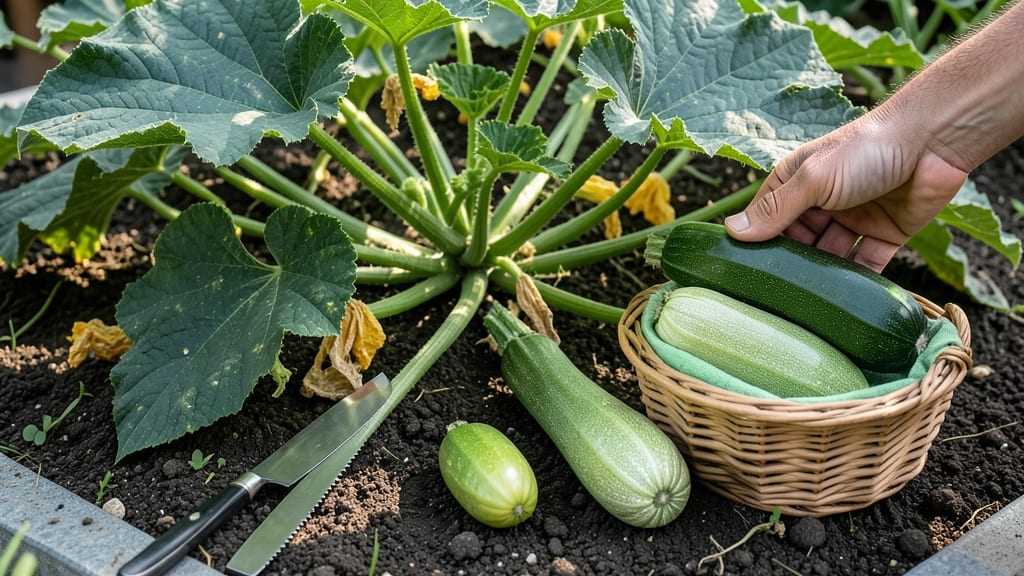
Picking zucchini when to pick zucchini from your garden at 6-8 inches long and the skin yields slightly to gentle pressure is the secret to sweet, tender squash 🎃 — and waiting too long turns them into tough, seedy giants.
I used to let mine grow until they were the size of baseball bats, only to end up with bitter, stringy zucchini that needed hours of boiling to soften. That was before I learned the 3 key size checks that make all the difference in flavor and texture.
Beyond size, you’ll want to watch for deep green color, a stem that snaps cleanly when bent, and a blossom end that hasn’t begun to yellow. These visual cues tell you exactly when to grab your shears and harvest before the plant puts its energy into seeds instead of fruit.
In this guide, I’ll walk you through the perfect harvest window, how often to pick for maximum yield, and the common mistakes that turn your garden’s bounty into disappointment.
The 3 critical zucchini size stages for optimal harvest timing
Timing your zucchini harvest is everything—picking too early means underdeveloped flavor, while waiting too long delivers tough, seedy squash. The secret lies in understanding the three critical size stages that transform a zucchini from bland to burstingly delicious.
Most gardeners miss the sweet spot because they focus only on length, but texture, seed development, and even flavor intensity change dramatically as your zucchini grows.
When zucchini reach 6-8 inches, they’re at peak tenderness with minimal seeds—this is the prime harvest window for most recipes. However, leaving them on the vine until 8-10 inches can yield slightly sweeter flesh but requires careful monitoring to avoid overgrowth.
The key? Recognizing the subtle visual cues that signal readiness, not just measuring with a ruler. I’ve learned the hard way that zucchini can go from perfect to inedible in just 2-3 days if left unchecked.
| Stage | Size Range | Flavor Profile | Texture | Seed Development | Best For |
|---|---|---|---|---|---|
| Early Harvest | 4-6 inches | Mild, slightly grassy | Very tender | Almost none | Salads, quick cooking |
| Prime Harvest | 6-8 inches | Sweet, nutty, rich | Tender but firm | Minimal seeds | Grilled, roasted, baking |
| Late Harvest | 8-10+ inches | Slightly bitter, starchy | Tough, fibrous | Large, developed | Bread, soups (if necessary) |
The 6-8 inch range is where zucchini hit their flavor peak—this is the golden harvest window I always target. At this stage, the flesh is thick enough for grilling or roasting but still tender enough to slice thinly for zucchini noodles.
The seeds are just beginning to form, so you avoid that watery, seedy texture that ruins so many homegrown squash dishes. Think of it like picking green beans: you want them firm but not woody.
If you’re growing bush varieties, like 'Black Beauty,' they tend to stay sweeter longer in this size range. However, vining types like 'Straight Eight' can quickly outgrow their prime window, so I check them every 2-3 days during peak production.
Pro tip: Use a measuring tape or even a ruler to track growth—once they hit 8 inches, they’re racing toward the tough, seedy stage.
Many gardeners make the mistake of waiting for zucchini to get bigger, thinking they’ll be better. But by 8-10 inches, the skin thickens, the flesh becomes starchy and fibrous, and the seeds expand into large, inedible centers.
This stage is only useful for bread or soups, where texture isn’t as critical. I’ve had neighbors bring me foot-long zucchini with a laugh, but I always politely decline—those are better suited for compost or zucchini wine than eating!
Here’s a trick I learned from my neighbor’s Italian heirloom varieties: harvest the first female flowers (the ones with tiny zucchini already forming) when they’re 1-2 inches long. These often develop into the sweetest, most flavorful squash because they’re the plant’s first priority.
The second flush of zucchini—those that appear later in the season—can be left slightly larger (up to 10 inches) if you’re planning to preserve them.
One common misconception is that color determines ripeness, but zucchini are always green—even when overripe. Instead, focus on size consistency across your plants. If one zucchini is 6 inches while another is 10 inches, the smaller one is likely the better choice.
I’ve also noticed that morning harvests yield the freshest squash because the plants have had a full night to recover from the previous day’s heat.
To maximize your harvest, I recommend using a sharp knife or pruners to cut zucchini from the vine, leaving a 1-inch stem. This prevents damage to the plant and makes future harvesting easier. Avoid twisting or pulling, which can tear the vine and invite pests.
After harvesting, store zucchini in the fridge crisper drawer for up to a week, but use them as soon as possible—freshly picked zucchini have a bright, crisp quality that stored ones can’t match.
If you’re still unsure, here’s my foolproof method: press your thumbnail into the zucchini skin. If it yields slightly but doesn’t dent deeply, it’s ready. If it feels rock-hard, it’s too early; if it’s soft and mushy
How to check zucchini ripeness beyond size: 5 key visual cues
Size matters, but it’s not the only factor when deciding when to pick zucchini from your garden. Even if your squash is the ideal 6-8 inches, subtle visual cues can reveal whether it’s truly ready for harvest—or past its prime.
Ignoring these signs often leads to bitter, seedy zucchini that’s less enjoyable to cook with.
I’ve learned the hard way that waiting too long for the "perfect" size can backfire. The key is combining size with these 5 visual ripeness indicators to ensure you’re harvesting at peak tenderness and flavor. Let’s break down what to look for—and what to avoid—when inspecting your zucchini.
- 1 Deep, even color: Mature zucchini should be a rich, matte green without yellowing or pale patches. Uneven coloring signals overripeness or poor sunlight exposure.
- 2 Slightly yielding skin: Press your thumbnail into the skin. If it dents slightly but doesn’t bruise, it’s ready. Skin that’s too firm means it’s underripe, while skin that bruises easily means it’s overripe.
- 3 Stem separation: The stem should pull away cleanly when twisted gently. If it resists or tears, wait 1-2 days. A stem that’s already dried and shriveled means the zucchini has been on the vine too long.
- 4 Blossom presence: Check for recently fallen blossoms near the zucchini. If the flower dropped 1-2 days ago, the squash is likely at its sweetest. Flowers that’ve been gone for a week signal overripeness.
- 5 Seed development: Cut a zucchini lengthwise to check seeds. Tiny, pebble-like seeds mean it’s ready. Larger, hard seeds indicate it’s past its prime and will be bitter.
One mistake I see often is relying solely on size. A zucchini that’s 8 inches but has pale, bruised skin is already past its best. Conversely, a 6-inch zucchini with deep color and yielding skin is perfect for the kitchen. Always combine these visual cues for the best results.
Pro tip: Harvest in the morning when temperatures are cooler. This reduces stress on the plant and ensures your zucchini stays fresher longer. And remember—frequency matters. Picking regularly encourages more production, so don’t wait for "perfect" conditions every time.
By mastering these visual cues, you’ll avoid the bitter, seedy disappointment of overripe zucchini and enjoy a steady harvest of tender, flavorful squash all season long. Happy harvesting! 🎃