Picking
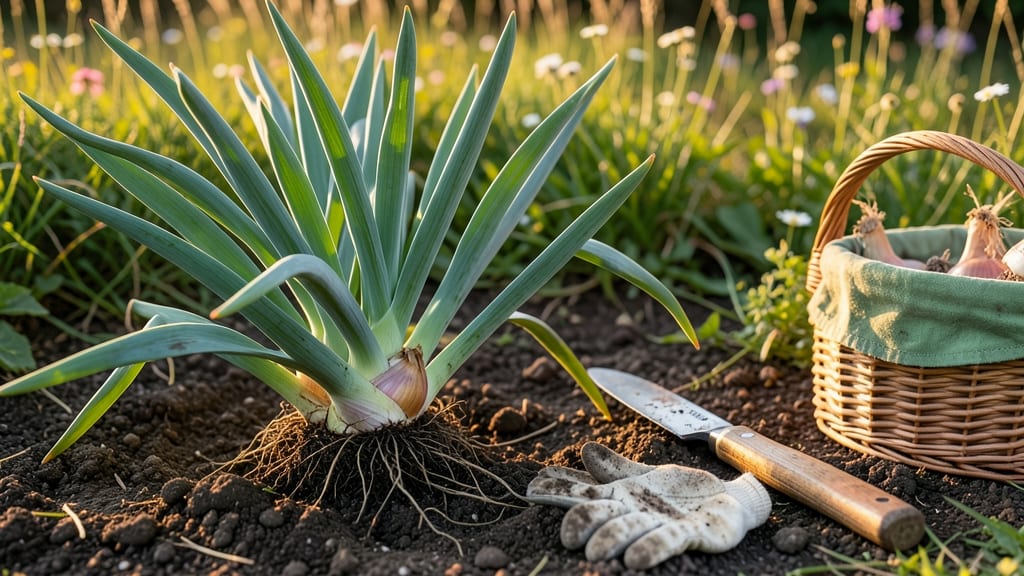
Picking onions from your garden at the right time ensures the best flavor and storage life—wait too long, and you risk bolting or rot, while harvesting too early leaves you with small, pungent bulbs.
You’ve nurtured your 🧅 from tiny sets to lush green tops, but the moment you pull them can make or break your harvest. One wrong move, and you’ll end up with onions that split, sprout, or—worse—taste bitter.
The good news? Three simple visual cues will tell you exactly when to dig.
First, watch for the tops to yellow and flop over like a tired flag. Next, check the neck of the bulb—it should feel thin and papery, not thick and juicy.
Finally, squeeze a bulb: it should be firm, not soft or rubbery. These signs mean your onions are ready for harvest, whether you’re storing them or using them fresh.
Below, I’ll walk you through these cues in detail, plus what to do if you miss the window. By the end, you’ll know exactly when to pull your onions for the best results—no guesswork required.

3 Visual cues to harvest onions at peak flavor and storage quality
Harvesting onions at the right time transforms your garden from a patch of green to a treasure trove of flavor and storage potential. The difference between a mild, sweet onion and a bitter, short-lived one often comes down to these three simple visual cues.
Whether you're growing storage onions for winter or green onions for fresh use, timing is everything.
I’ve learned the hard way that waiting too long means splitting bulbs or bolting plants, while harvesting too early leaves you with small, rubbery onions that won’t store. The key? Watch for these three unmistakable signs that your onions are ready to pull.
Each one tells a different part of the story—from leaf health to bulb maturity—so you’ll know exactly when to grab your gardening gloves and get to work.
Tops Yellow and Fall Over
For storage onions, look for tops turning straw-colored or golden and flopping over. This signals the bulb has stopped growing and is redirecting energy to storage. Green onions stay green but should have thick, white bases when ready.
Bulb Size: 2-3 Inches in Diameter
Gently brush away soil to check bulb size. Storage onions should be 2-3 inches wide—any smaller and they won’t store well. Green onions are ready when their white stems are ½-inch thick, regardless of bulb size.
Neck Thins to Papery Texture
The neck connecting bulb to tops should shrink and become dry, papery, and thin. This indicates the bulb has reached maturity. For green onions, the neck stays thick, but the leaves should be 6-8 inches tall with no flower stalks.
I always test a few onions first by gently pulling one and checking its neck thickness and bulb firmness. If the neck snaps easily and the bulb feels solid, your entire patch is likely ready.
For green onions, I harvest when the white base is 4-6 inches long, even if the tops are still green—this ensures maximum tenderness.
Regional differences matter too. In hotter climates, onions mature faster, so I watch for these cues earlier in the season. In cooler zones, I might need to wait longer, but never beyond the first frost—freezing ground ruins storage quality.
Pro tip: Harvest on a dry, sunny day to let onions cure properly before storage.
One mistake I made early on was ignoring the neck thickness and harvesting based on bulb size alone. Those onions stored poorly and sprouted early. Now, I combine all three cues—leaf color, bulb size, and neck texture—to guarantee the best flavor and longest shelf life.
It’s a game-changer for my winter kitchen!
For storage onions, curing is the next critical step. After harvest, I trim the tops to 1 inch above the bulb and lay them in a shady, well-ventilated spot for 2-3 weeks.
This dries the skins and extends storage life to 6-8 months in a cool, dark place. Green onions, on the other hand, store best in the fridge with their roots trimmed and wrapped in a damp paper towel.
Don’t let these visual cues intimidate you—once you spot them, harvesting is quick work. Grab a garden fork to loosen the soil, then gently lift the bulbs to avoid bruising.
The sooner you act on these signs, the sweeter your onions will be. Trust me, your future self (and your winter meals) will thank you!
🧅
How to test onion maturity: the 2-Minute soil check for perfect harvest timing
When your onion tops start yellowing but you’re not sure if the bulbs are fully mature, the 2-minute soil check is my go-to method. This quick test lets you dig up just one test onion and determine if your entire crop is ready for harvest—without risking the whole batch.
It’s especially useful for storage onions, where timing affects flavor and shelf life.
Here’s the key: perfectly mature onions have firm, dry bulbs with papery necks, while underripe ones feel soft and overripe ones may split or rot. The soil check eliminates guesswork by letting you examine the bulb’s readiness firsthand.
I’ve used this method for years, and it’s saved me from harvesting too early (bitter taste) or too late (rotting in the ground).
🌱 The 2-Minute Onion Maturity Test
- 1 Choose a test onion: Select a medium-sized plant from the outer rows of your bed. Avoid edge plants, as they may mature faster due to sun exposure differences.
- 2 Gently loosen the soil: Use a small trowel or your fingers to dig around the base of the onion, working 1-2 inches deep. Be careful not to puncture the bulb itself.
- 3 Lift the onion: Gently pull the plant upward. If the bulb resists slightly, it’s still attached to the roots—this is normal. Shake off excess soil to reveal the bulb and neck.
- 4 Check the bulb: Press your thumb into the bulb. A ready onion feels firm with a dry, papery skin. If it’s soft or rubbery, wait 1-2 weeks and test again. If the neck is still thick and green, it’s underripe.
- 5 Replant or harvest: If the test onion is perfect, harvest the entire crop within 3-5 days to avoid overripening. If underripe, replant the test onion and wait another week before retesting.
If your test onion passes, harvest your entire crop by late morning when soil is dry to prevent disease. For green onions, you can harvest the tops anytime, but storage onions need this precise timing.
Pro tip: Cure harvested onions in a dry, shaded area for 3-5 days before storing to extend shelf life.
Overripe onions (those left too long in the ground) split easily and develop soft spots. If you find any during your test, harvest immediately and use them within 3-5 days or freeze them for later.
This method has never failed me—it’s the difference between a flavorful, long-storing harvest and a sad pile of sad, pithy onions.
The best part? This test takes less than 2 minutes and gives you confidence to harvest at the perfect moment. Once you master it, you’ll never second-guess onion maturity again. Happy digging!