
Picking
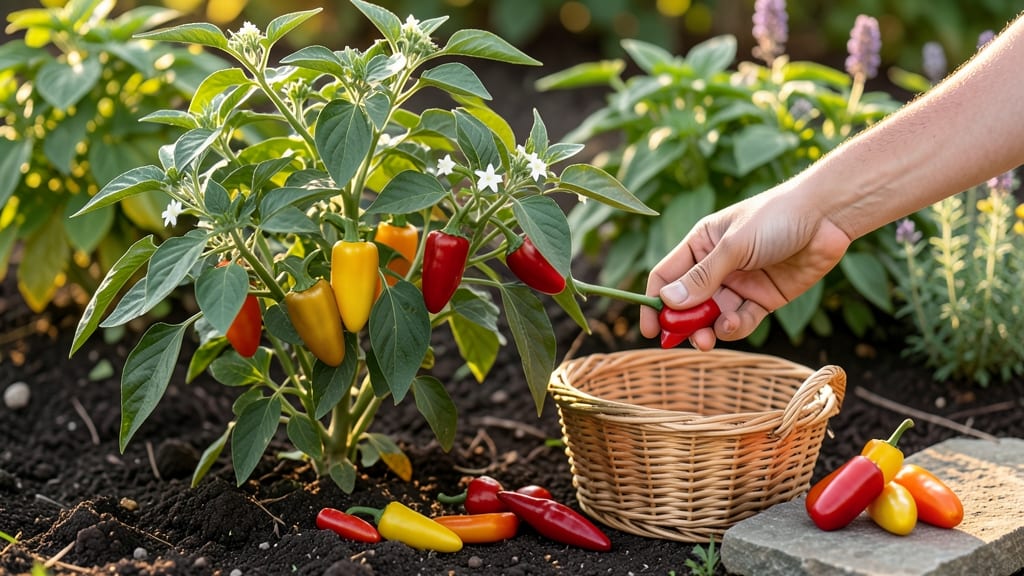
To pick garden salsa peppers at the perfect time for bold flavor and heat, watch for deep color and firmness—because waiting too long turns your harvest into a mushy mess.
Picture this: you’ve nurtured your 🌶️ plants all season, only to bite into a pepper that’s lost its punch or turned rubbery. That’s the difference between peak ripeness and disappointment. The right moment isn’t just about color—it’s about texture, weight, and even the way the stem snaps when you twist.
In Zone 6a, your harvest window stretches from July to October, but frost risk looms after mid-October. That means timing matters more than ever—especially if you’re drying peppers for winter. A ripe pepper has vibrant skin, a glossy sheen, and just the right give when squeezed.
Below, I’ll break down the color-coded ripeness chart, pro tips to test peppers beyond color, and how to store them so they keep their heat long after harvest. No more guesswork—just perfect salsa peppers every time.

Color-coded ripeness guide: when to harvest salsa peppers for optimal heat
Harvesting salsa peppers at the right stage transforms your garden bounty into bold, fiery salsa or perfectly dried heat chips. The color change isn’t just visual—it signals heat development and flavor intensity.
Green peppers pack mild, fresh crunch, while red, yellow, and orange varieties deliver peak heat and sweetness. Let’s break down the color-coded ripeness guide so you never miss the window.
Timing matters more than you might think. A green pepper harvested too early lacks heat and depth, while an overripe pepper loses crispness and can become mealy. The ideal harvest window depends on whether you’re making fresh salsa or drying peppers for later use.
For fresh salsa, aim for vibrant colors, while drying peppers benefits from slightly firmer, less juicy peppers.
Green peppers are the most versatile for fresh salsa because they’re crisp and mild, but they lack the heat buildup of mature peppers. If you’re growing varieties like Serrano or Jalapeño, harvest them when they’re fully green and firm—typically 60–75 days after transplanting.
These peppers are best for quick pickling or salsas where you want bright acidity without overwhelming heat.
Yellow peppers signal the first heat shift and develop a sweeter, fruitier flavor with moderate spice. They’re perfect for fresh salsa blends or drying into heat chips.
Look for a deep golden hue and a slight thickening of the skin. Harvest them at 75–85 days for the best balance of crunch and heat.
Orange peppers bridge the gap between mild and fiery, offering a complex flavor that’s both sweet and spicy. This stage is ideal for fermented salsas or roasted pepper spreads.
Wait until the pepper is fully orange and slightly softer than green varieties—around 80–90 days. Their thicker skin makes them great for drying or freezing.
Red peppers are the peak of heat and flavor, delivering smoky depth and intense spice. They’re essential for traditional dried chiles or aged salsas. Harvest them when they’re deep red and slightly wrinkled (a sign of full maturity).
Red peppers can take 90+ days to ripen, so watch for frost risks in cooler climates—harvest before the first 28°F (-2°C) frost.
Don’t overlook the <
How to test pepper ripeness beyond color: 3 pro tips for perfect flavor
Color isn't the only indicator of when to pick garden salsa peppers. While vibrant hues signal ripeness, firmness, stem separation, and heat development reveal the true peak flavor and spice levels.
These three pro tips help you harvest at the perfect moment, ensuring your homemade salsa packs maximum punch and freshness.
First, I always check the firmness of the pepper. A ripe salsa pepper should feel dense and slightly springy when gently squeezed. If it yields or feels soft, it’s overripe and may lose its crisp texture.
This simple touch test works for all pepper varieties, from mild jalapeños to fiery habaneros.
🌶️ Numbered Highlights: 3 Pro Tips for Perfect Pepper Ripeness
Next, pay attention to how the stem detaches from the plant. A ripe pepper should twist off easily with minimal force, almost like unscrewing a jar lid. If the stem resists or tears, the pepper isn’t ready yet.
This method is especially useful for green salsa peppers, which can be harvested at different stages for varying heat levels.
Finally, trust your nose and taste buds. Ripe salsa peppers develop a stronger aroma, especially near the stem where capsaicin concentrates. Take a quick sniff—if it’s pungent and bold, it’s time to harvest.
For extra assurance, I’ll taste a small piece. A fully ripe pepper should have a balanced heat and sweetness, not just spice.
Harvesting at the right moment ensures your salsa peppers deliver the boldest flavor and heat. Use these tips to avoid overripe peppers that lose their crispness or underripe ones that lack depth. With practice, you’ll develop a keen eye (and touch!) for the perfect harvest window.
Pro tip: Harvest in the morning when peppers are cool and firm. This gives you the best texture and flavor for your homemade salsa. 🌿