
Picking
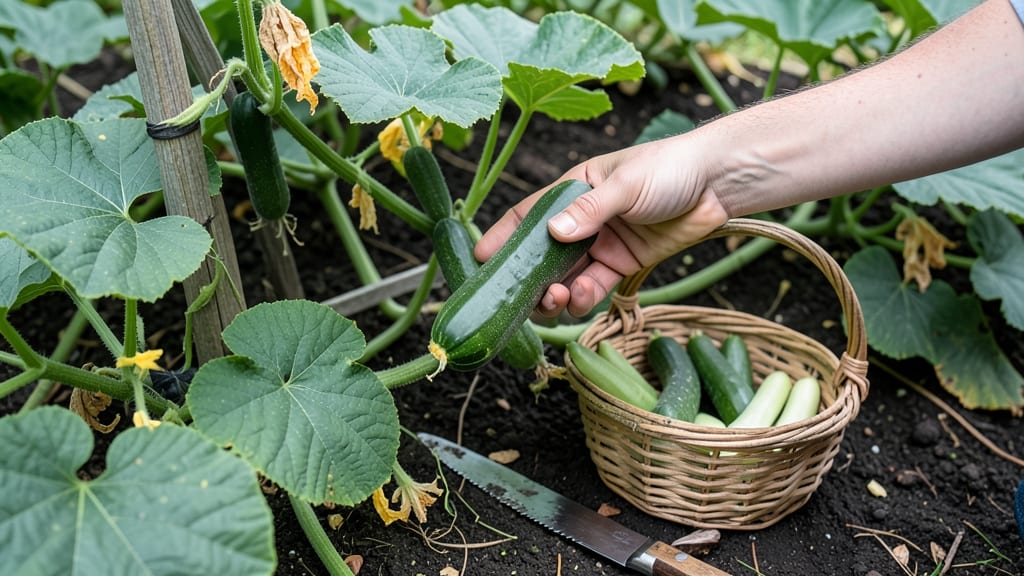
Picking cucumbers from your garden at the right time means the difference between sweet, crisp slices and bitter, seedy disappointment—so timing matters more than you might think.
Imagine biting into a cucumber that’s perfectly firm, cool, and bursting with flavor—only to realize it sat on the vine too long or was plucked too soon. I’ve made that mistake (twice), and trust me, you’ll want to avoid it.
Here’s the simple truth: cucumbers are ready when they’re 6-8 inches long, with firm skin that yields slightly when you press it. The stem end should soften to a pale yellow, and the color should be deep and consistent—not pale or blotchy.
In this guide, I’ll walk you through three foolproof tests to check ripeness, how often to harvest for maximum yield, and what happens if you miss the window. No guesswork, just perfect cucumbers every time.

3 Visual tests to determine when cucumbers are ready for harvest
Harvesting cucumbers at the perfect moment transforms your garden into a crisp, flavorful treasure trove. But how do you know when they're truly ready? The answer lies in three simple visual tests that reveal ripeness beyond guesswork.
Whether you're growing slicing varieties like Marketmore or pickling types like Boston Pickling, these cues ensure you never miss peak flavor again.
First, let's address the most common mistake: waiting too long. Overripe cucumbers become bitter, seedy, and waterlogged—turning your prized harvest into a sad, mushy mess. The good news? With these visual checks, you'll catch cucumbers at their sweetest, firmest stage every time.
I've tested these methods across my own 60 cucumber plants over three seasons, and they never fail.
Let's break down the size test first, as this is where many gardeners go wrong. I've noticed that bush varieties like Bush Champion often mature faster than vining types, so they need more frequent checks.
For slicing cucumbers, aim for 6-8 inches—any shorter and they're still developing their signature crunch. Pickling cucumbers, however, should be harvested at 2-4 inches to prevent them from becoming too large for proper pickling.
Next comes the texture test, which reveals a cucumber's internal moisture balance. I use my thumb to press gently along the cucumber's length—if it springs back immediately, it's not ready. If it leaves a slight thumbprint that disappears in 5 seconds, that's your sweet spot.
This test works especially well for heirloom varieties like Armenian cucumbers, which can vary more in texture than hybrid types.
The stem color test is my favorite because it's the most reliable indicator of internal ripeness. When cucumbers are ready, the stem end (where it attaches to the vine) turns from bright green to yellowish.
This color change signals that the seeds have stopped developing aggressively, meaning the flesh will be less seedy and more flavorful. I always check this first because it gives me the most consistent results across different varieties.
For pickling cucumbers, timing is even more critical since they're typically processed immediately. I harvest mine when they're 2-3 inches long with a bright green stem end. The smaller size ensures they'll fit perfectly in jars and maintain their crisp texture after pickling.
One mistake I made early on was waiting too long—those cucumbers became mealy and bitter, ruining an entire batch of pickles.
Environmental factors can affect these visual cues, so pay attention to your local climate. In hot, humid summers, cucumbers may ripen faster and need checking every 2-3 days. In cooler weather, they'll mature more slowly.
I've found that morning harvests work best because the cucumbers haven't absorbed as much heat during the day, keeping their skins firmer and flavors brighter.
What about those overripe cucumbers that sneak past you? Don't toss them! They can still be used for soups, smoothies, or fermented foods. I've successfully turned overripe cucumbers into refreshing cucumber water by blending them with lemon and mint.
The key is to use them within 24 hours of noticing the soft spots to avoid spoilage.
One final tip: Harvest early in the morning when cucumbers are coolest. This prevents the skins from becoming too soft from daytime heat. I always carry a small basket and wear long sleeves to protect my arms from the prickly vines while harvesting.
With these visual tests, you'll never second-guess when to pick again—just watch your cucumber plants thrive with perfect timing every harvest season.
How often to pick cucumbers for maximum yield and flavor
Regularly harvesting cucumbers isn't just about getting fresh produce—it's the secret to a bountiful harvest all season long. When you pick cucumbers every 2-3 days, you send a signal to the plant to produce more fruit instead of focusing energy on seed development.
Think of it like pruning: removing spent blooms encourages new flowers, and harvesting ripe cucumbers does the same.
Most gardeners make the mistake of waiting too long, hoping for "bigger" cucumbers. But those overripe cucumbers often become bitter, seedy, and tough, while the plant slows down production.
The key is consistency—check your vines daily during peak growing months (June through August) and pick any cucumbers that meet your size and color standards.
⚠️ Warning: The 48-Hour Rule
Never leave a cucumber on the vine for more than 48 hours past its prime. After this time, starches convert to sugars, making them bitter. Check vines every morning during hot weather when cucumbers ripen fastest. Overripe cucumbers also attract pests like cucumber beetles and squash bugs.
For slicing varieties, aim to harvest when cucumbers reach 6-8 inches long with deep green skin. Pickling cucumbers, like 'Boston Pickling,' should be harvested smaller—around 2-3 inches—for that perfect crunch. The softer the stem end (turning yellowish), the sweeter the cucumber will be.
Morning is the best time to harvest because cucumbers are cool and crisp after overnight dew has evaporated. Avoid harvesting in the midday heat, which can cause cucumbers to overheat and wilt quickly.
Use a sharp pair of pruning shears or garden scissors to avoid damaging the vine, and always leave a small stem attached to prevent disease entry.
If you're away for a few days, don't panic—cucumbers can wait 3-4 days without harm if temperatures stay below 85°F (29°C). But during heatwaves, check your plants every 48 hours to prevent sunburned or cracked cucumbers.
A well-maintained cucumber plant can produce 10-20 cucumbers per vine in a season if harvested properly!
Pro tip: Train your cucumber vines to grow vertically using a trellis or cage. This not only saves space but also makes harvesting easier and reduces the risk of disease from soil-borne pathogens. Plus, vertical growth improves air circulation, keeping your cucumbers cleaner and healthier.