
Picking
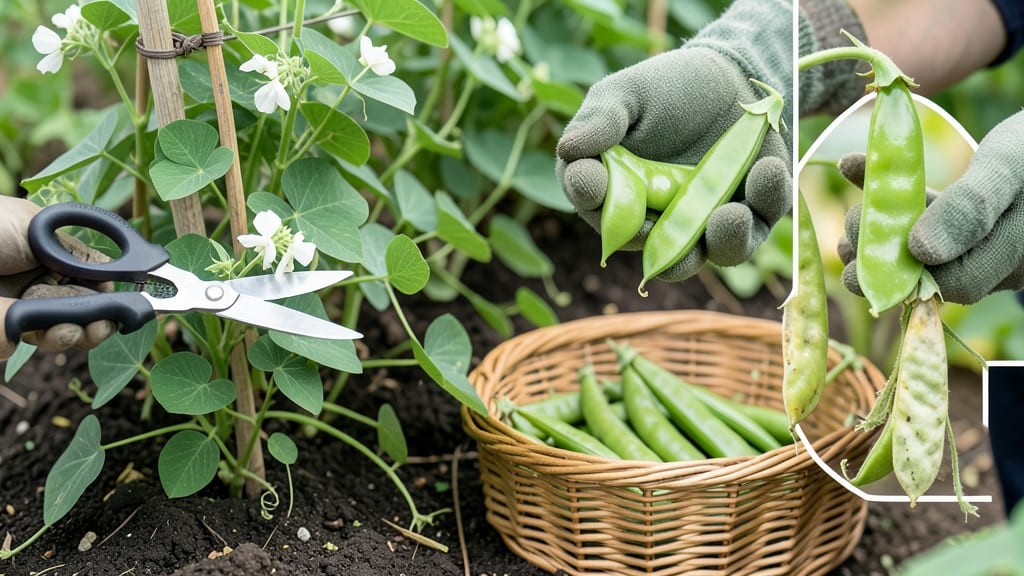
Harvesting garden peas when pods are 2-3 inches long and bright green ensures the sweetest, crispest flavor—before they turn tough or mealy.
Picture this: you’ve been waiting weeks for those first pods to appear, only to snap into a pod that’s either underdeveloped or already woody. That’s the difference between a perfect harvest and a disappointing one, and it all comes down to timing.
Garden peas 🌱 thrive in cool weather, so spring plantings hit their peak around 60-70 days after sowing, while fall crops may take a few extra weeks. The key is checking pods daily for size, color, and texture—bright green, firm, and just starting to swell with peas inside.
Below, I’ll walk you through the exact cues to look for, how often to harvest for maximum yield, and pro tips to stretch your pea season from early spring to late summer.

How to identify the perfect harvest time for garden peas
Timing your pea harvest correctly ensures you enjoy the sweetest, crispest pods packed with flavor. Unlike many vegetables, peas have a very narrow window between perfect tenderness and becoming tough or woody. The key lies in observing three critical cues: pod size, color, and texture.
For example, a sugar snap pea harvested at 2.5 inches will snap cleanly, while waiting just a few days can turn it into a leathery mess.
Different pea varieties have distinct maturity signals. Sugar snap peas and snow peas are typically ready when their pods reach 2–3 inches in length, while shelling peas should be harvested when the peas inside are plump but not fully developed.
Ignoring these differences can mean the difference between a garden-fresh feast and a disappointing meal. Let’s break down the exact visual and tactile clues to watch for in your garden.
| Pea Type | Ideal Pod Size | Color Indicators | Texture Test | Best Harvest Window |
|---|---|---|---|---|
| Sugar Snap Peas | 2–3 inches long | Bright green, slightly waxy | Snaps cleanly when bent | Morning after dew dries |
| Snow Peas | 2–3 inches long, flat pods | Deep green, thin | Pods bend without snapping | When pods are firm |
| Shelling Peas | 1.5–2 inches long | Green, slightly swollen | Pods dent slightly when pressed | When peas inside are plump |
The color of the pod is your first visual cue. Look for vibrant, even green hues without yellowing or browning spots. Dull or fading colors signal overripe peas losing their sweetness.
For sugar snap peas, the pod should have a slight waxy sheen, while snow peas will appear thinner and more delicate. Shelling peas, on the other hand, should show a subtle bulge where the peas are developing inside.
Don’t rely solely on visuals—always perform the texture test. Gently pinch a pod between your thumb and forefinger. If it feels firm but yields slightly, it’s ready. A pod that’s too soft or mushy is underripe, while one that’s hard and resists pressure is overripe.
For sugar snaps, the classic "snap" test works best: bend the pod—if it breaks cleanly, it’s perfect. If it bends without snapping, it’s past its prime.
Time of day matters too. Harvest peas in the morning after dew has dried to ensure they’re crisp and hydrated. Avoid picking in the midday heat, as peas lose moisture quickly under the sun, leading to tough, stringy pods.
I’ve learned this the hard way—once, I harvested a batch of sugar snaps at noon, and they turned out disappointingly rubbery. Now, I always grab my basket first thing in the morning.
Pay attention to the plant’s overall health as another indicator. Healthy pea plants will produce new flowers daily, signaling active growth. If you notice fewer flowers or yellowing leaves, the plant may be stressed, and the remaining pods might not reach their peak quality.
Regularly pinch off spent flowers to encourage more blooms and a prolonged harvest season.
For shelling peas, the "pea inside" rule is non-negotiable. Open a few pods to check the size of the peas within. They should be plump but not filling the entire pod. If they’re larger than a dime, harvest immediately—waiting longer will turn them into starchy, mealy peas.
This step is especially crucial for varieties like 'Green Arrow,' where flavor degrades rapidly once the peas inside overmature.
Frequency of harvest also impacts timing. Peas produce continuously, so check your plants every 2–3 days during peak season. Removing ripe pods encourages the plant to produce more, extending your harvest window.
I’ve found that a consistent morning routine of harvesting and checking for readiness keeps my pea plants productive for weeks longer than if I waited sporadically.
Finally, keep an eye on the weather forecast. Cool, overcast days are ideal for harvesting, as peas develop best in temperatures between 60–70°F. If a heatwave is coming, prioritize harvesting to avoid tough pods.
In my garden, I’ve used shade cloth during scorching afternoons to protect pea plants and maintain their quality until I can harvest them.
Mastering the art of pea harvesting takes practice, but once you train your eye and fingers to recognize these cues, you’ll never miss the perfect moment again. The reward? A bounty of sweet, tender peas that taste like summer in every bite. 🌱
Common mistakes that ruin pea harvest timing (and how to avoid them)
Even experienced gardeners can fall into traps that turn perfectly good pea plants into flavorless disappointments. I’ve watched my own garden peas go from crisp and sweet to tough and mealy because of simple timing mistakes.
The key is recognizing these pitfalls before they ruin your harvest—because once peas pass their prime, there’s no bringing back that snap and sweetness.
One of the biggest mistakes is assuming all peas mature at the same rate. Sugar snap peas, snow peas, and shelling peas each have their own ideal harvest windows, and mixing them up can lead to overripe or underdeveloped pods.
Another common error is harvesting at the wrong time of day, which affects texture and flavor more than you might think. Let’s break down these mistakes—and how to fix them—so you can enjoy peas at their absolute peak.
⚠️ 3 Critical Mistakes That Kill Pea Flavor
Fix: Pick peas in the morning after dew dries (6–9 AM) or in the late afternoon when temps drop below 75°F. This preserves their crisp texture and sweetness.
Fix: Harvest shelling peas when the peas inside are plump but not bulging. Use a flashlight to peek inside if needed!
Fix: Use clean scissors or your fingers to snap pods just above the first leaf. This encourages more growth and keeps plants productive longer.
Another silent killer of pea flavor is harvesting too infrequently. Peas produce new pods continuously, and if you wait too long between harvests, the plant redirects energy to seed production instead of tender pods. I’ve seen entire pea plants bolt (send up flower stalks) because I didn’t pick consistently.
To avoid this, check your plants every 2–3 days during peak production and harvest at least 3–4 pods per plant each time.
Don’t overlook the color cues either. Overripe peas turn yellow or brown, and their pods feel woody when squeezed. Even worse, they develop a bitter taste as sugars convert to starch. If you notice pods with wrinkled skins or shriveled peas inside, it’s a sign you’ve waited too long.
The good news? Peas are self-pollinating, so once you get the timing right, they’ll reward you with a steady supply of fresh pods.
Finally, avoid the temptation to harvest peas after a heavy rain. Wet pods are more prone to disease and rot, and the extra moisture can dilute their flavor. Always wait until the plants are dry to the touch before picking.
This simple habit keeps your harvest clean and delicious. With these adjustments, you’ll go from frustrated gardener to pea harvest pro in no time!