
Picking
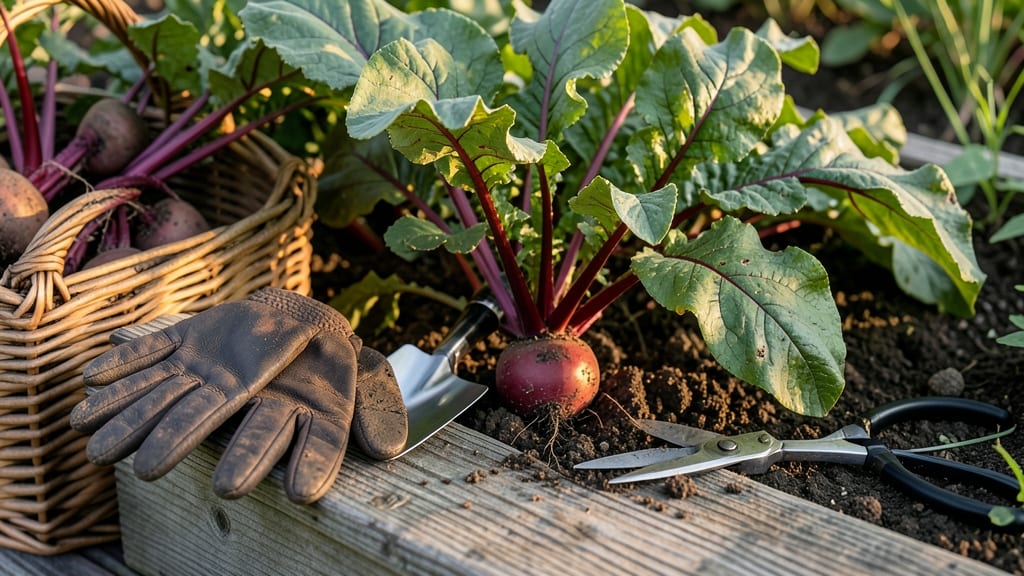
Harvesting beets from your garden at the right time ensures tender, sweet roots packed with flavor—wait too long, and you’ll end up with tough, woody messes that even a good recipe can’t save.
Picture this: you’ve nurtured your 🍠 beets all season, watching them grow from tiny sprouts to vibrant greens, but now you’re staring at roots that feel like they’ve been through a boot camp. That’s the difference between a perfect harvest and a disappointing one.
Timing matters more than you think. Beets mature between 45 and 70 days, but the sweet spot is when roots reach 1 to 3 inches in diameter—firm to the touch, with deep color and healthy leaves.
Harvest too early, and they’ll be small and underdeveloped; wait too long, and they’ll turn tough and bitter.
In this guide, I’ll walk you through the exact signs to look for, the best seasonal windows for your Zone 6a garden, and how to store your harvest so it stays fresh and delicious for weeks. No more guesswork—just perfect, restaurant-quality beets straight from your soil.

How to determine the ideal size for harvesting beets
Knowing when to harvest beets from your garden means paying close attention to two key factors: root diameter and leaf maturity. Baby beets and mature roots have different ideal harvest times, but both rely on visual and tactile cues to ensure peak sweetness and tenderness.
The perfect moment often comes down to measuring roots between 1 to 3 inches in diameter while leaves remain vibrant and healthy.
For baby beets, you’ll want to harvest when roots reach about 1 inch in diameter—this ensures a sweet, tender texture perfect for salads or quick cooking. If you’re growing mature beets, wait until roots reach 2 to 3 inches for a balance of flavor and texture.
Overlooking these size indicators can lead to woody, less flavorful roots that are tough to enjoy.
Visual cues are your best friends when determining harvest readiness. Look for deep, vibrant colors in the leaves and roots—whether that’s rich red, golden yellow, or deep purple. The soil around the roots should also feel slightly dry 1-2 inches down, signaling the beet has fully developed without over-maturity. These signs tell you the beet is ready to pull from the earth at its sweetest.
Here’s a quick reference to help you decide when your beets are ready for harvest:
| Stage | Root Diameter | Leaf Size | Color | Soil Condition |
|---|---|---|---|---|
| Baby Beets | 1 inch | 4-6 inches | Vibrant | Slightly dry |
| Mature Beets | 2-3 inches | 6-8 inches | Deep, rich | Dry 1-2 inches |
| Over-Mature | 3+ inches | Large, woody | Pale or dull | Very dry |
If you’re growing baby beets specifically, like the popular 'Babybeat' or 'Little Ball' varieties, aim to harvest them when roots are about 1 inch in diameter. These smaller varieties are bred for early harvesting and tend to stay tender even when slightly larger.
For heirloom or standard varieties, wait until roots reach 2 to 3 inches—this is when their flavor is most concentrated and their texture is firm yet tender.
Don’t rely solely on size, though. Gently press the root with your fingers to check its firmness. A ready-to-harvest beet should feel firm but not hard. If it feels woody or spongy, it’s past its prime.
This tactile test is especially useful for golden or yellow beets, which can be trickier to judge by color alone since their hues are lighter than red or purple varieties.
Seasonal timing also plays a role in determining the best harvest window. In spring plantings, beets typically reach harvest size in 50 to 60 days, while fall plantings may take slightly longer due to cooler temperatures.
Always check the seed packet for variety-specific days to maturity, as some types mature faster or slower than others. For example, 'Detroit Dark Red' takes about 60 days, while 'Chioggia' may need 70 days.
One common mistake is waiting too long to harvest, which can turn your beets woody and tough. Over-mature beets not only lose their sweetness but also develop a fibrous texture that’s unappealing.
To avoid this, I recommend harvesting a few beets every 2 to 3 weeks once they reach the ideal size. This staggered approach ensures a continuous supply of fresh, tender beets and prevents the entire crop from becoming over-mature at once.
For leaf harvests, you can start picking the large, outer leaves as soon as they reach 4 to 6 inches in length. These leaves are delicious when cooked like spinach and can be harvested multiple times per plant without harming the root.
Just avoid picking more than one-third of the leaves at a time to keep the plant healthy and ensure the root continues to grow properly.
Best practices for harvesting beets at peak sweetness
Timing your beet harvest is everything—wait too long, and you’ll end up with woody, bitter roots instead of tender, sweet treats. The key is harvesting when the roots reach 1-3 inches in diameter, typically 50-70 days after planting, depending on your variety.
For baby beets, aim for the smaller end of this range, while mature varieties can wait until they’re larger.
Beyond size, watch for visual and tactile cues like vibrant leaf color and firm but tender roots. Harvesting at the right time ensures maximum flavor and texture, making your effort in the garden truly rewarding. Let’s break down the exact steps to get it perfect every time.
Step-by-Step Guide to Harvesting Beets
-
1. Choose the Right Time of Day
Harvest in the morning after dew dries or in the late afternoon when soil is slightly moist but not wet. This reduces stress on the plants and makes roots easier to pull. -
2. Use the Right Tools
Grab a hand fork or trowel to loosen soil around the beet roots. This prevents damage to the delicate root structure and makes extraction easier, especially for larger varieties. -
3. Loosen the Soil Gently
Insert your tool 2-3 inches away from the stem and gently pry the soil loose. Work your way around the beet in a circular motion to avoid breaking the root. -
4. Pull the Beet Carefully
Grasp the leafy tops and pull upward with steady pressure. If the beet resists, use your fork to wiggle it free—never force it, or you’ll risk splitting the root. -
5. Trim the Foliage Immediately
Cut the leafy greens down to 1 inch above the root using clean shears or a knife. This helps preserve the beet’s moisture and prevents it from drawing nutrients back into the leaves. -
6. Store Properly for Freshness
Rinse off any remaining soil, then store beets in a plastic bag in the crisper drawer of your fridge. They’ll keep for up to 2 weeks this way, maintaining their sweetness and crisp texture.
Harvesting beets on a cool, overcast day is ideal because the soil stays workable, and the plants are less stressed. Avoid harvesting after heavy rain, as wet soil can make roots slippery and harder to extract cleanly.
If you’re harvesting multiple beets, work in small batches to keep the remaining plants hydrated and healthy.
For continuous harvests, consider planting beets in succession every 2 weeks. This ensures you always have fresh, tender beets ready to pick throughout the growing season. Plus, it gives you the flexibility to enjoy both baby beets and larger mature roots as they come ready.
Once harvested, beets can also be cured and stored long-term in a cool, dark place like a root cellar. Simply let them sit in a single layer for a day or two to dry, then store them in sand or sawdust for up to 6 months.
This method preserves their sweetness and extends your harvest well into winter.