Shrubs
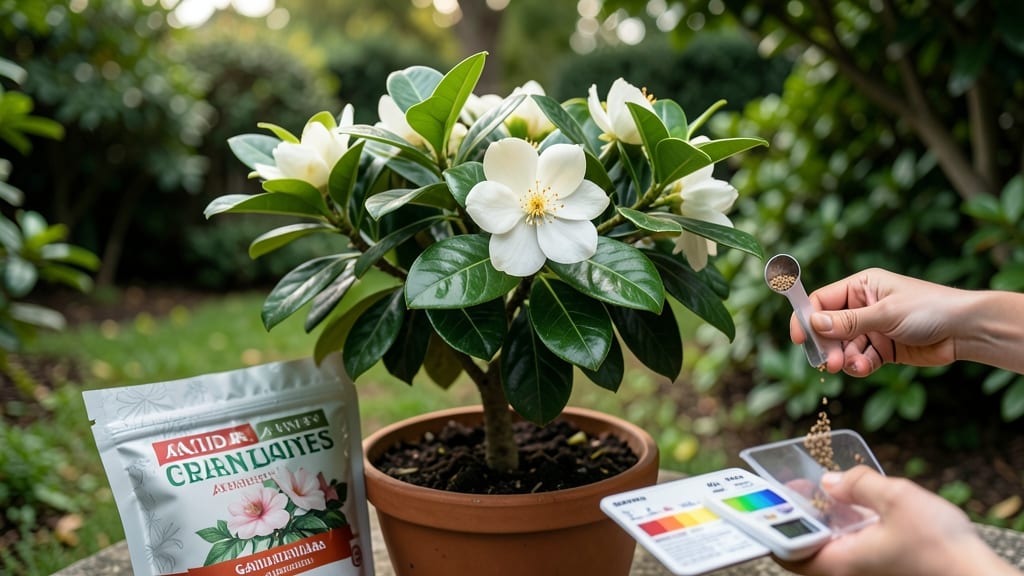
Fertilizing gardenias at the right time—early spring and again in late summer—is the key to those fragrant, glossy blooms you adore 🌸.
Struggling to keep your gardenias blooming as beautifully as they did last year? The secret isn’t just water or sunlight—it’s timing your fertilizer perfectly to match their natural growth cycles.
Most gardeners overlook the fact that these acid-loving shrubs need a light feed in spring to wake up their roots, followed by a stronger boost in summer to fuel blooms. Skip this, and you might end up with sparse flowers or leaf burn from over-fertilizing.
In this guide, I’ll break down the exact months to fertilize, how often to feed potted vs. in-ground plants, and the best organic vs. synthetic options for your USDA Zone 6a climate.

Best fertilizing schedule for gardenias: spring & fall timing explained
If you’ve ever wondered why your gardenias 🌸 produce fewer blooms than last season, the answer likely lies in your fertilization timing. Gardenias thrive when fed during specific growth stages—early spring for new shoots and late summer for root strengthening.
Unlike many plants that benefit from mid-summer feeding, gardenias need a two-phase approach to maximize their iconic white flowers and glossy foliage.
Timing matters because gardenias are acid-loving evergreens that grow best in USDA Zones 7-10. Their natural growth cycles align with seasonal temperature shifts, making March-May and September-October the sweet spots for fertilization. Miss these windows, and you risk stunted growth, yellowing leaves, or—worst of all—no blooms at all.
Here’s the science-backed breakdown: Gardenias enter active growth as soil warms in spring, signaling them to produce buds. A light feed in early spring (before buds form) provides the nutrients needed for robust foliage, which directly supports future blooms.
Then, in late summer, they prepare for dormancy, making a second, lighter feeding ideal to strengthen roots for winter resilience.
Climate plays a huge role. In warmer zones (8-10), you might extend feeding into June to support continuous blooming, while cooler zones (7) should stop by mid-May to avoid late-season stress.
Potted gardenias also need adjustments—their roots heat up faster, so they benefit from monthly liquid feeds during peak summer months.
Let’s break down the month-by-month schedule for gardenias in USDA Zone 8 (adjust ±1 month for cooler/warmer zones). In March, apply a light granular fertilizer (like 10-10-10) around the base, watering it in immediately.
This kickstarts root activity without overwhelming the plant. By April, switch to a phosphorus-rich formula (8-3-9) to support bud development—this is when most gardeners see the biggest bloom response.
During summer months, gardenias in containers need more frequent feeding (every 4-6 weeks) because potting soil depletes faster. For in-ground plants, stick to every 6-8 weeks
Signs your gardenias need fertilizer (and when to avoid it)
Your gardenias might be silently begging for nutrients if their leaves turn yellow between the veins while staying green at the edges. This classic chlorosis sign often means your plant is starving for iron or nitrogen, even if you're watering consistently.
I've seen this happen when gardeners skip their spring feeding—a critical time for new growth.
Another red flag? Sparse or small blooms compared to last year.
Gardenias typically produce fragrant, large flowers in summer, but if they're shrinking or dropping early, it's your plant's way of saying, "Feed me!" I once had a 6-foot gardenia that produced only 3 blooms instead of dozens—until I adjusted my fertilizer routine.
Slow growth is another clue. If your gardenia's new shoots are sparse or leggy, it's likely nutrient-deficient. Healthy gardenias grow about 12 inches per year—if yours is barely keeping up, it's time to fertilize. I measure growth by comparing last year's branches to this year's new ones.
⚠️ WARNING: When NOT to Fertilize Gardenias
Never fertilize when your gardenia shows burnt leaf edges or crispy brown tips—this means over-fertilization. I once saw a potted gardenia lose half its leaves after getting double the recommended dose of synthetic fertilizer. Stop feeding immediately and flush the soil with water to prevent root damage.
Key signs to avoid fertilizing: Wilting despite moist soil, yellowing leaves with brown edges, or new growth that looks stunted or deformed.
Yellow leaves with brown spots could also signal fungal issues from overwatering—not fertilizer needs. Always check the soil moisture first by sticking your finger 2 inches deep. If it's damp, hold off on feeding and improve drainage instead.
For potted gardenias, look for roots circling the pot—a sign they're root-bound and need both fertilizer and repotting. I repot mine every 2-3 years using a mix of peat moss and perlite to keep nutrients available.
The key is balanced feeding—too much can harm roots just as much as too little.
Remember: Gardenias bloom on old wood, so fertilizing in late summer can actually reduce next year's flowers. Always feed in early spring (March-April) and lightly in summer (June-July) to support blooms without encouraging late-season growth that won't harden off before winter.