
Fertilization
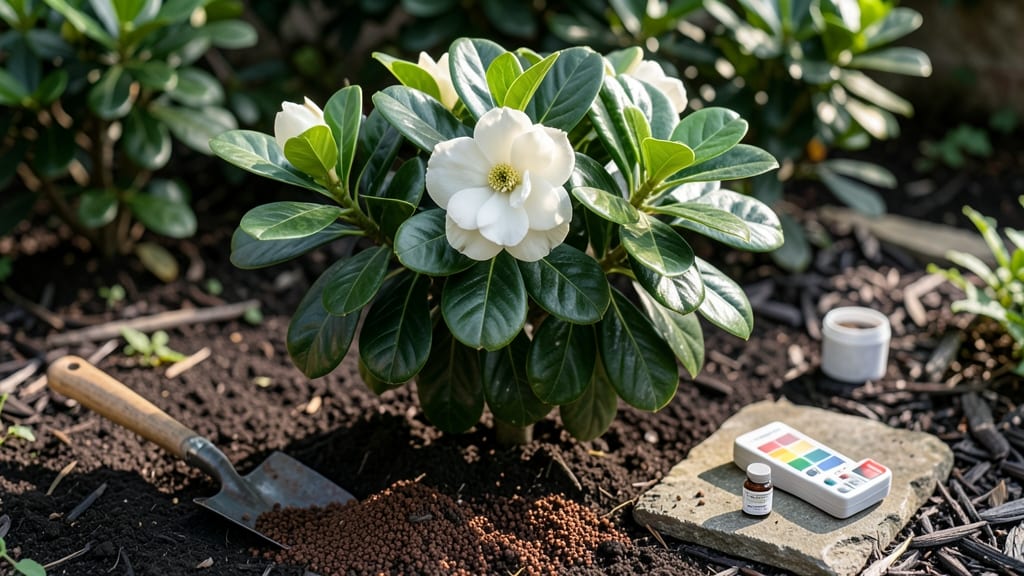
Fertilizing gardenias in Florida at the right times—spring and fall—is the key to unlocking those showstopping, fragrant blooms 🌸 that make your yard the envy of the neighborhood.
Here’s the hard truth: Most gardeners overfeed in summer, thinking more fertilizer means bigger blooms, only to end up with stressed plants and fewer flowers. Florida’s warm, humid climate means gardenias don’t follow the same rules as northern shrubs, and timing your feeds wrong can backfire fast.
In this guide, you’ll learn the exact seasonal cues to watch for—like new leaf growth in spring or bud formation in fall—and how to pick the right fertilizer to keep your gardenias thriving without burning their roots.
We’ll also cover what to avoid, like midday feeding or overdoing it in winter when your plant is already slowing down.
By the end, you’ll have a fertilization schedule that syncs with Florida’s climate, ensuring your gardenias stay lush, fragrant, and blooming like clockwork year after year.

Optimal Florida gardenia fertilization schedule: spring & fall timing explained
Florida gardenias thrive in our warm climate, but their blooming cycles and root growth depend heavily on precise fertilization timing. Unlike many plants, gardenias bloom on old wood, meaning last year's growth produces this year's flowers.
Fertilizing at the wrong time can disrupt this delicate balance, leading to sparse blooms or even plant stress.
Most gardeners make the mistake of fertilizing gardenias during summer's peak heat or winter dormancy, both of which can damage roots. In Florida's humid subtropical climate, the key windows are early spring and late summer/fall, when temperatures are mild and root activity is optimal.
This schedule aligns with nature's cues, ensuring your gardenias put energy into new growth and bud formation rather than struggling to process nutrients.
| Season | Optimal Fertilization Time | Purpose | Frequency | Temperature Range |
|---|---|---|---|---|
| Early Spring | February - March | Stimulate new growth and bud formation | Every 6 weeks | 65°F - 75°F |
| Late Summer | August - September | Encourage root hardening for winter | Every 8 weeks | 80°F - 88°F |
| Fall | October - November | Prepare for winter dormancy | Light feeding only | 70°F - 78°F |
| Winter | December - January | No fertilization | None | 55°F - 65°F |
| Summer | June - July | Avoid fertilizing (risk of root burn) | None | 85°F - 95°F |
My first fertilization push in early spring (February-March) is critical because it jumpstarts new growth after the plant's winter rest. I use a balanced acidic fertilizer (like 6-6-6 or 8-3-9) to support both foliage and bloom development.
The goal here is to give your gardenia the nutrients it needs to produce next year's flower buds while the weather is still mild enough for roots to absorb nutrients efficiently.
By late summer (August-September), I switch to a lower-nitrogen formula to encourage root strengthening rather than leafy growth. This prepares the plant for Florida's occasional cool snaps and ensures it enters dormancy with enough reserves.
Think of this as a pre-winter tune-up—it's like giving your gardenia a cozy blanket before winter arrives, even if Florida's winters are mild compared to other regions.
Many gardeners mistakenly fertilize during summer's peak heat, believing their gardenias need extra nutrients. However, the high temperatures (above 90°F) and intense humidity can cause fertilizer salts to burn roots or lead to leaf scorch.
I've seen gardenias wilt dramatically after summer feeding—always a red flag. Instead, focus on deep watering and mulching to protect roots during these months.
In fall (October-November), I reduce fertilization to a light maintenance dose or switch to organic matter like compost. This helps the plant transition into dormancy without sudden nutrient shocks. The cooler temperatures allow roots to absorb what they need without stress.
If your gardenia is in a coastal Florida location, you might extend this light feeding into early December, as ocean breezes can keep soil temperatures slightly warmer.
Winter (December-January) is the only time I completely avoid fertilizing gardenias. During this period, your plant is in a semi-dormant state, conserving energy for spring's new growth. Forcing nutrients now can lead to weak, leggy growth or even bud drop. Instead, focus on pruning dead branches and protect
Best fertilizers for Florida gardenias: acid-loving plant nutrient breakdown
Florida gardenias thrive when fed with the right nutrients, but their acid-loving nature means not all fertilizers work equally. These shrubs need a balanced NPK ratio (like 6-6-6 or 8-3-9) to encourage blooms while avoiding root burn from excess salts.
The key? Micronutrients like iron and magnesium are just as critical as nitrogen, phosphorus, and potassium for vibrant foliage and fragrant flowers.
Organic options like fish emulsion or cottonseed meal slowly release nutrients, mimicking Florida’s natural soil conditions. Synthetic fertilizers, however, offer precise nutrient control—ideal for correcting deficiencies quickly. Both have pros and cons, and your choice depends on whether you prioritize long-term soil health or immediate plant response.
Here’s the breakdown of what works best for gardenias in Florida’s humid climate, including how to adjust soil pH for maximum absorption.
Organic vs. Synthetic Fertilizers for Gardenias
Organic Fertilizers
- ✅ Improves soil structure over time
- ✅ Releases nutrients slowly, reducing burn risk
- ✅ Supports microorganisms in acidic soil
- ✅ Requires more frequent applications
Synthetic Fertilizers
- ✅ Provides immediate nutrient boost
- ✅ Precise NPK ratios for blooms
- ✅ Easier to measure and apply
- ⚠️ Can overload soil if overused
For gardenias, iron deficiency (yellow leaves with green veins) is common in Florida’s alkaline soils. A chelated iron supplement or Epsom salt (magnesium sulfate) can revive struggling plants in weeks.
Always test your soil’s pH—gardenias need 4.5–6.0 for optimal nutrient uptake. If your soil is too alkaline, amend with sulfur or peat moss before fertilizing.
Top synthetic picks for Florida gardenias include Miracle-Gro Azalea, Camellia, and Rhododendron Food (8-3-9 ratio) or Jobe’s Acid-Loving Plants Fertilizer. For organic options, try Dr. Earth Acid-Loving Plants or a homemade blend of composted pine needles and worm castings.
Both types should be applied in early spring and late fall, avoiding summer heat stress.
Remember: Less is more with gardenias. Over-fertilizing can lead to leaf burn or bud drop, especially in Florida’s intense summer sun. Always water thoroughly after feeding to help nutrients reach the roots—and never fertilize when the plant is already stressed by drought or pests.
🌿