
How To
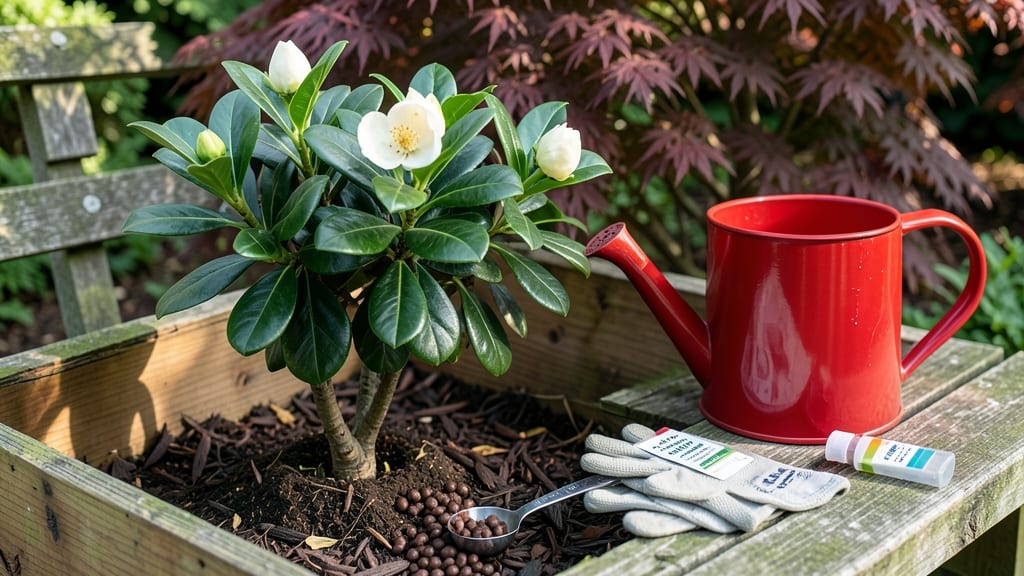
Fertilizing gardenia plants at the right time—spring and again after blooms—is the secret to those fragrant, abundant flowers you’ve always wanted.
Picture this: You’ve waited months for your gardenia to burst into bloom, only to watch it fizzle out early—or worse, never flower at all. The culprit? Timing—or the lack of it.
Too early, and you stunt growth; too late, and you starve the roots just when they need fuel for next year’s blooms.
Gardenias thrive when fed during their two key growth phases: spring, when new leaves push out, and late summer, after blooming to replenish nutrients. But here’s the catch: winter feeding is a no-go—it stresses the plant instead of helping it rest.
Below, I’ll break down the exact schedule, fertilizer types, and how to spot when your gardenia is begging for (or begging off) more food.
Ready to turn your gardenia from a lazy bloomer into a fragrant showstopper? Let’s dive into the science-backed timing and tricks that actually work.

Best times to fertilize gardenia plants for maximum blooms
Gardenias reward careful gardeners with their intoxicating fragrance and glossy foliage—but only when they receive nutrients at the perfect moments. Unlike many plants, gardenias thrive on a seasonal feeding schedule tied to their natural growth cycles.
Fertilizing at the wrong time can lead to burned roots, stunted blooms, or even plant decline. The key is understanding when your gardenia is actively growing versus when it’s resting.
Most gardeners make the mistake of fertilizing in autumn or winter, when gardenias are dormant. This forces the plant to grow when it shouldn’t, wasting energy and stressing roots.
Instead, focus on two critical feeding windows: early spring to kickstart growth and late summer/early fall to replenish nutrients after blooming. Timing also varies slightly by USDA zone, with warmer climates (zones 9-10) having a longer active growing season.
Here’s the science-backed schedule for gardenias in zones 7-10, including month-by-month actions and what to avoid:
| Month | USDA Zone 7 | USDA Zone 8 | USDA Zone 9-10 | Fertilizer Type | Key Notes |
|---|---|---|---|---|---|
| January | Skip | Skip | Skip | — | Dormant season; avoid fertilizing. |
| February | Skip (Zone 7) | Skip (Zone 8) | Light feed (Zone 9-10) | Acid-loving 5-10-10 | Warmer zones may start growth early. |
| March | Feed | Feed | Feed | High-phosphorus | Start with balanced 10-10-10 or citrus bloom booster. |
| April-June | Feed every 3 weeks | Feed every 3 weeks | Feed every 3 weeks | Acid-based fertilizer | Peak growth phase; use slow-release granules. |
| July-August | Feed after blooms fade | Feed after blooms fade | Feed after blooms fade | High-potassium | Replenish nutrients for next year’s blooms. |
| September-October | Light feed (Zone 7) | Light feed (Zone 8) | Skip (Zone 9-10) | Organic compost | Cool zones only; avoid overfeeding. |
| November-December | Skip | Skip
Spring vs. post-bloom fertilizer: what to use and whyGardenias thrive when fed the right nutrients at the right time, but their needs shift dramatically between spring growth and post-bloom recovery. In spring, focus on nitrogen-rich fertilizers to fuel new foliage, while after blooming, switch to phosphorus-heavy formulas to encourage next year’s buds. The wrong timing or type can leave your plant weak or flowerless. Your gardenia’s soil pH also plays a critical role—these acid-lovers need 5.0–6.0 pH for optimal nutrient absorption. If your soil tests higher, nutrients like iron and phosphorus become locked away, even if you’re fertilizing correctly. Adjusting pH with sulfur or peat moss ensures your plant can actually use what you’re providing.
Spring Feeding
✅ Pros
• Boosts leafy growth for energy
• Supports root development early
• Prevents nutrient deficiency in new shoots
❌ Cons
• Overuse causes leaf burn in heat
• Too much nitrogen delays blooms
Post-Bloom Feeding
✅ Pros
• Replenishes phosphorus for buds
• Strengthens root reserves for winter
• Encourages next year’s flowers
❌ Cons
• Late feeding stimulates weak growth
• Can cause fertilizer salt buildup
For spring feeding, I recommend a balanced organic fertilizer (like 10-10-10) or a fish emulsion to gently wake up roots. Apply it when you see new shoots emerge, typically in late March to April in most climates. Water deeply afterward to help nutrients reach roots without burning tender foliage. After blooming—usually late summer to early fall—switch to a low-nitrogen, high-phosphorus formula (like 5-10-5). This shift signals your gardenia to stop producing leaves and start forming flower buds for next season. Pair this with a light mulch of pine bark to maintain acidic soil conditions. One common mistake? Using synthetic fertilizers too close to blooming. These can overload plants with salts, causing brown leaf tips. Instead, opt for slow-release organic options like composted manure or worm castings, which feed roots steadily without risk of burn. Test your soil’s pH every 2–3 years—gardenias hate alkaline soil. If your pH creeps above 6.0, amend with elemental sulfur in early spring. This ensures your fertilizer investments actually translate to healthier blooms and lusher foliage. |