
How To
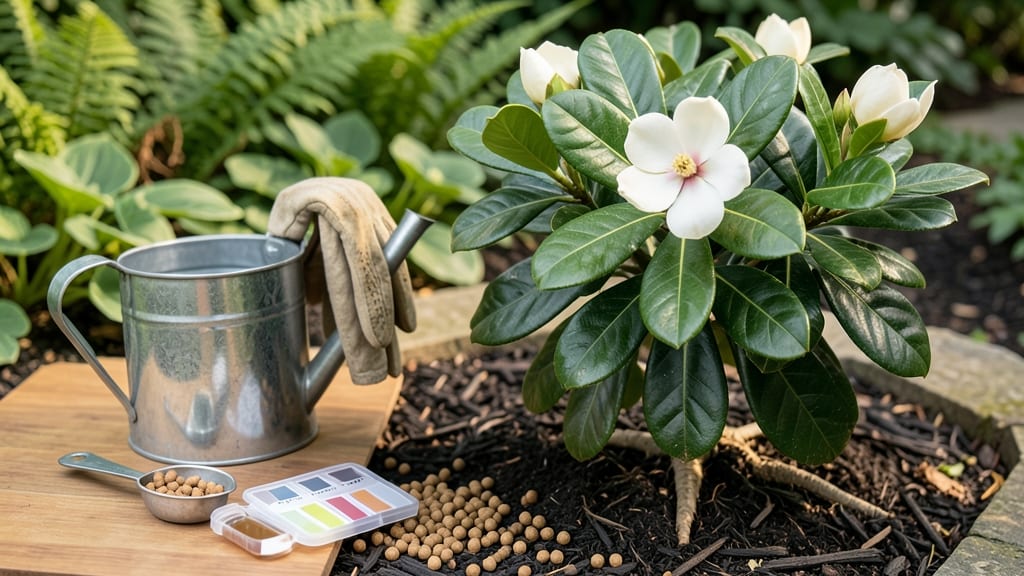
Fertilising gardenias at the right times 🌸 is the secret to those glossy leaves and intoxicating blooms you’ve been dreaming of.
Picture this: You’ve just planted your gardenia, and you’re eager to see it thrive—but fertilise too early, and you’ll stunt its growth. Too late, and you’ll miss the bloom boost. The timing isn’t just about the calendar; it’s about matching the plant’s natural cycles with its needs.
In this guide, I’ll walk you through the best times to fertilise your gardenias, whether you’re in a warm climate or a cooler zone like 6a.
You’ll learn why spring and fall are the golden periods, how to spot signs your plant is hungry (or overfed), and which fertilisers keep those blooms coming back bigger and brighter.
Ready to turn your gardenia care from guesswork to a science-backed routine? Let’s get started.
The ideal fertilizing schedule for gardenias: spring & fall timing explained
Gardenias thrive when you align fertilization with their natural growth cycles. Unlike many plants, they demand precise timing to avoid leaf burn or bloom failure. The key is feeding them during their active growth phases—spring for new shoots and fall for root strengthening—while avoiding winter dormancy.
This schedule ensures your gardenias produce those signature fragrant white blooms year after year.
Most gardeners make the mistake of fertilizing too late in summer or skipping spring feeding entirely. Both approaches lead to stunted growth or fewer blooms. The secret lies in understanding how soil temperatures and daylight hours trigger growth spurts.
For example, when daytime highs hit 60°F (15°C) consistently, your gardenia signals it's ready for its first feed of the season. This typically occurs in early spring for most USDA zones 7-10.
Here's why spring and fall are critical: Spring fertilization jumpstarts new leaf production and bud formation, while fall feeding prepares roots for winter. Summer fertilizing is secondary—just enough to maintain blooming without stressing the plant.
The right timing also depends on your climate: Northern gardeners should wait until after the last frost, while Southern growers can start earlier when soil warms.
| Season | Key Growth Phase | Fertilizer Type | Application Timing | Soil Temp Trigger |
|---|---|---|---|---|
| Early Spring | New shoot emergence | Balanced (6-6-6) | After last frost | 55°F (13°C) |
| Late Spring | Bud formation | Acid-forming (8-3-9) | Every 6 weeks | 65°F (18°C) |
| Summer | Blooming maintenance | Light organic (fish emulsion) | Every 8 weeks | 75°F (24°C) |
| Early Fall | Root strengthening | Slow-release (osmocote) | 6-8 weeks before frost | 60°F (15°C) |
| Winter | Dormancy | None | Avoid fertilizing | Below 50°F (10°C) |
For organic gardeners, I recommend using fish emulsion in spring and composted pine bark in fall. Both provide the acidic environment gardenias crave while improving soil structure. Synthetic fertilizers like 8-3-9 blends work well too, but always follow package rates—overdoing it causes salt buildup that damages roots.
Pro tip: Mix fertilizer with the top 2 inches of soil rather than surface-dropping it to prevent leaf scorch.
Your gardenia's response to fertilization is a clear indicator of success. Within 4-6 weeks of spring feeding, you'll see darker green leaves and more buds. In fall, roots grow stronger, making the plant more resilient to winter stress.
If you notice yellowing leaves after fertilizing, flush the soil with water to prevent nutrient burn. This happens when fertilizer salts accumulate faster than roots can absorb nutrients.
Regional adjustments are crucial. In Zone 7, start spring feeding in mid-April when soil reaches 55°F. In Zone 10, begin by mid-February since winters are milder.
Always check soil moisture before fertilizing—dry soil can't transport nutrients to roots efficiently. Water thoroughly 24 hours before and after applying fertilizer to maximize uptake.
One common mistake is fertilizing when gardenias are already blooming heavily. This shifts energy from root and leaf growth to flower production, weakening the plant long-term. Instead, feed lightly in summer only if blooms are sparse.
The goal is balanced growth, not just more flowers. For container gardenias, reduce fertilizer amounts by 30% since roots have less soil volume to access nutrients.
Fall fertilization deserves special attention. This is when you prepare your gardenia for winter by feeding it slow-release fertilizer 6-8
Signs your gardenias need fertilizer (and when to avoid it)
Your gardenia might be silently screaming for nutrients if its leaves turn yellow between the veins while staying green at the edges.
This classic iron deficiency sign appears when roots can't access enough nutrients, often due to compacted soil or insufficient feeding. Sparse blooms or buds that drop before opening are other red flags—your plant is prioritizing leaf growth over flowers because it lacks phosphorus for energy.
Slow growth, especially in spring when new shoots should emerge, is another clue. Check the soil: if it smells musty or feels waterlogged, fertilization could harm your gardenia by burning roots already stressed from poor drainage. Dark brown spots on leaves after fertilizing?
That's a clear sign you've overdone it.
Never fertilize if you see:
- Mushy stems (root rot risk)
- Yellowing leaves with crispy edges (overwatering)
- White powder on soil (fungal growth)
Wait until: Soil dries slightly between waterings and new growth appears.
For container gardenias, check the roots first—if they're circling or smothered in old soil, repot before fertilizing. Outdoor plants in USDA Zone 7+ may need extra feeding if they bloom year-round, but always pause in winter when growth slows.
A simple soil test (pH 5.0-6.0 is ideal) can confirm if nutrient deficiencies are the real issue.
Try this quick test: Gently tug a leaf. If it resists (healthy) vs. falls off (weak), your gardenia needs nutrients. Organic options like fish emulsion release nutrients slowly, reducing burn risk. Synthetic granules work faster but require precise timing—apply in early spring and late summer only.
Create a seasonal checklist:
- Spring: Feed when buds form (March-April)
- Summer: Light feed after blooming (June-July)
- Fall: Stop by October to prep for dormancy
Pro tip: Mix compost into the top 2 inches of soil before fertilizing—this improves nutrient uptake and reduces waste. Mulch with pine needles to maintain acidic soil conditions naturally. 🌿