
Planting
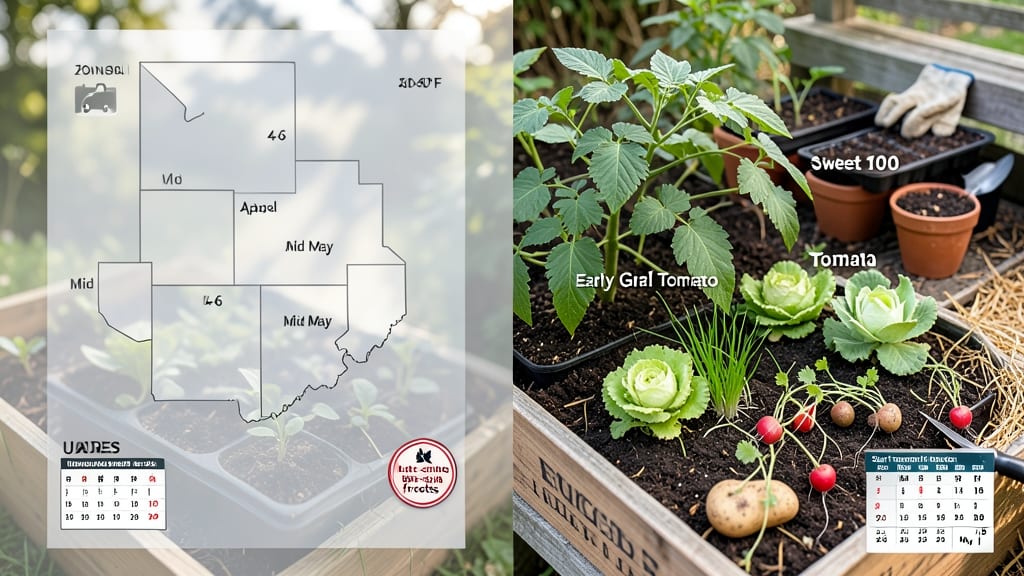
Planting your garden in Michigan at the right time means the difference between a bountiful harvest and wasted effort—especially in Zones 4 and 5, where frost can strike early or late.
Michigan’s short growing season demands precision—plant too early and face frost, too late and miss peak harvests. Timing your garden right in Zones 4 and 5 means the difference between thriving 🌱 General Garden Plants and wasted seeds.
With last frost dates varying from mid-April in the Lower Peninsula to early May in the Upper Peninsula, knowing when to start seeds indoors, transplant seedlings, or sow directly is the key to success.
In this guide, I’ll break down the exact planting windows for vegetables, flowers, and herbs—plus tips to stretch your season with row covers and succession planting for a longer harvest.
Michigan planting deadlines by Zone 4 & 5 crop type (cold-hardy vs. warm-season)
Michigan’s Zone 4 and 5 climates create a tight window for planting, where timing determines success. The average last frost date ranges from April 15 in southern Michigan to May 15 in the north.
Warm-season crops like tomatoes and peppers need soil temperatures above 50°F (10°C), while cold-hardy crops like spinach and peas thrive in cooler conditions.
Understanding your microclimate is key—urban areas may warm faster than rural spots. Check the Michigan State University Extension for your county’s last frost date, as it can vary by 1-2 weeks. For example, Detroit (Zone 6b) might plant tomatoes 2 weeks earlier than Traverse City (Zone 5b).
Cold-hardy crops like kale, broccoli, and carrots can handle light frosts and should be planted 4-6 weeks before your last frost date. Warm-season crops, including beans, squash, and cucumbers, must wait until 2-3 weeks after the last frost when soil is consistently warm.
Here’s a quick reference for Zone 4 and 5 planting deadlines by crop type, including early spring and late-summer options:
| Crop Type | Zone 4 Planting Window | Zone 5 Planting Window | Notes |
|---|---|---|---|
| Cold-Hardy Vegetables (Spinach, Peas, Lettuce) | March 15–April 15 | March 1–April 1 | Direct sow 4-6 weeks before last frost. Can tolerate light frost. |
| Cool-Season Crops (Broccoli, Cabbage, Kale) | April 1–May 1 | March 20–April 15 | Start indoors 6-8 weeks before transplanting. Succession plant every 2 weeks. |
| Warm-Season Vegetables (Tomatoes, Peppers, Eggplant) | May 15–June 1 (after last frost) | April 20–May 10 (after last frost) | Soil must be at least 60°F (15°C). Use row covers for early starts. |
| Herbs (Basil, Cilantro, Dill) | May 1–May 15 (after frost) | April 15–April 30 (after frost) | Basil needs warm soil; cilantro bolts in heat—plant in partial shade in summer. |
| Flowers (Marigolds, Sunflowers, Zinnias) | April 15–May 10 | April 1–April 20 | Direct sow after frost. Deadhead for continuous blooms. |
| Late-Summer Crops (Beans, Corn, Pumpkins) | June 1–July 1 | May 15–June 15 | Plant when soil is warm; succession plant every 2 weeks for extended harvest. |
| Fall Crops (Kale, Radishes, Lettuce) | August 1–September 1 | July 15–August 15 | Direct sow 8-10 weeks before first frost. Use row covers for frost protection. |
How to extend Michigan’s growing season for earlier/later planting
Michigan’s chilly springs and early autumn frosts can feel like a gardener’s worst enemy. But with the right strategies, you can push your planting windows by weeks—even months! Whether you’re eager to harvest early lettuce or late-season tomatoes, these methods will help you beat the clock.
From frost cloths to cold frames, each tool offers unique benefits. I’ve tested them all in my own Zone 5b garden, and here’s what works best for Michigan’s unpredictable weather. The key is combining physical protection with smart planting techniques like succession planting.
-
🌱 Frost Cloths/Row Covers
Lightweight fabric that raises temperatures 2-8°F. Perfect for cool-season crops like spinach and kale planted 2-3 weeks before last frost. -
🪴 Cold Frames
Mini greenhouses that trap heat. Extend spring planting by 4-6 weeks and fall harvests by 3-4 weeks. Ideal for hardy greens and root vegetables. -
✂️ Succession Planting
Stagger plantings every 2 weeks to ensure continuous harvests. Works best with bush beans, lettuce, and radishes. -
🌡️ Season Extenders
Use hoop houses or low tunnels for warm-season crops like peppers and eggplants. Can add 4-8 weeks to your growing season. -
🌿 Mulching
Apply straw or leaves to insulate soil. Keeps roots 5-10°F warmer in spring and slower to freeze in fall.
For early planting, start with cold-hardy crops like peas and spinach under row covers. These can handle 28-32°F temps, giving you a head start. My sugar snap peas planted in early April under frost cloth produced pods by May—6 weeks ahead of uncovered plantings!
In late summer, focus on fast-maturing varieties like bush beans or radishes. Use cold frames to protect tender greens like kale until mid-October. I’ve harvested swiss chard well into November with proper protection—3 weeks beyond the typical first frost date.
Pro tip: Combine methods for maximum results. For example, use a cold frame + row cover for extreme protection during unpredictable Michigan spring weather. And always monitor soil temperatures—50°F is the magic number for most warm-season crops.
With these strategies, you’ll transform Michigan’s short growing season into a longer, more productive one. Happy planting! 🌱