
Fertilization
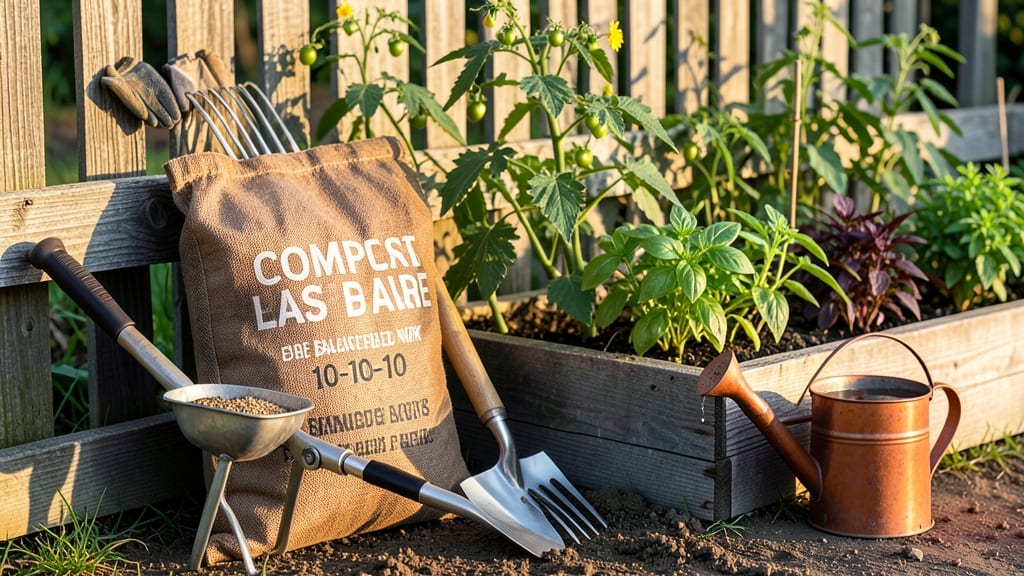
The best time to fertilize your garden is early spring and again in early summer—timing that aligns with your plants' natural growth cycles 🌱.
Picture this: you've just planted your General Garden Plants after the last frost, and the soil is finally warm enough to work. But if you fertilize too early, you risk burning tender roots.
Too late, and your veggies bolt before you get a harvest. Getting it right means stronger roots, bigger blooms, and fewer wasted nutrients.
Most gardeners in Zone 6a miss the ideal windows because they assume "more fertilizer = better growth." The truth? Overdoing it in heat or drought stresses plants, while skipping spring feedings leaves them playing catch-up all season.
I’ll show you exactly when to feed—whether you’re growing tomatoes, perennials, or a lush lawn—plus how to adjust for slow-release vs. quick-release fertilizers.
By the end, you’ll know the three key seasons to fertilize, how to read your soil’s hunger signals, and why fall is the worst time for most plants (unless you’re growing bulbs). Let’s turn guesswork into a foolproof schedule that saves money and grows better food.

Spring fertilization timing: the critical 3-Week window after last frost
Spring is the most critical window for fertilizing your garden because it kickstarts root development and new growth after winter dormancy. The 3-week period following your last frost date is when plants are most receptive to nutrients.
Missing this window means weaker stems, smaller yields, and slower establishment—especially for cool-season vegetables like lettuce and peas.
Soil temperatures below 50°F slow nutrient absorption, making early spring applications ineffective. Wait until the ground warms to at least 55°F at 4 inches deep—this ensures roots can actively uptake phosphorus and nitrogen.
In USDA Zone 6a, this typically aligns with mid-April, but timing shifts 2-3 weeks earlier in warmer zones like Zone 8.
For ornamental plants (trees, shrubs, perennials), early spring feeding promotes lush foliage, while vegetable gardens benefit from a balanced fertilizer (10-10-10) to support both leafy greens and fruiting crops. The key is matching your fertilization schedule to your plants' growth stages—not just the calendar.
🌱
In northern climates (Zones 3-5), aim to fertilize 2-3 weeks after the last frost when soil is workable. For example, if your last frost is April 15, wait until May 1-15 to apply organic matter like compost or a balanced granular fertilizer.
This timing coincides with root flush, when plants are most efficient at absorbing nutrients.
For southern gardens (Zones 7-10), the window shifts to February-March since frost is rare. Focus on warm-season crops like tomatoes and peppers, which need phosphorus to establish strong roots before the heat of summer. A pre-plant fertilizer (like 5-10-10) applied 2 weeks before transplanting gives them a head start.
Pro tip: Test your soil first! A pH imbalance (below 6.0 or above 7.5) can lock
Fall fertilization secrets: why late season feeding boosts winter hardiness
Most gardeners stop fertilizing when summer ends, but fall fertilization is one of the best-kept secrets for stronger plants. The key is timing—applying nutrients 4-6 weeks before frost gives roots time to absorb essential elements before dormancy.
This late-season boost helps perennials, lawns, and bulbs survive winter better and bounce back faster in spring.
Contrary to popular belief, fall isn't too late to fertilize—it's actually the perfect time for certain plants. Cool temperatures and shorter days signal plants to prepare for winter, but they still need nutrients to build root reserves.
A well-timed feeding can make the difference between a thriving garden and one struggling to recover next season.
When to Fertilize in Fall
- 4-6 weeks before first frost: Ideal window for most perennials and lawns to absorb nutrients before dormancy.
- 6-8 weeks before frost for bulbs: Tulips, daffodils, and crocuses need phosphorus-rich fertilizer to build strong roots.
- Avoid fertilizing after frost: New growth won't harden off properly and may die in cold snaps.
- Use slow-release fertilizers: Granular forms release nutrients gradually, reducing winter leaching risks.
- Focus on nitrogen for lawns: A light feeding in early fall promotes deep root growth before winter.
Not all fertilizers work equally well in fall. Slow-release options like organic compost or granular formulas are ideal because they provide steady nutrition without overstimulating growth. Quick-release fertilizers can cause late-season flushes that won't harden off before frost, leaving plants vulnerable to cold damage.
Perennials like hostas, daylilies, and coneflowers benefit most from fall feeding. These plants store nutrients in their roots over winter, so a late-season boost ensures they'll emerge stronger in spring.
Even lawns respond well to a light feeding in early fall, as cooler weather encourages root development without excessive top growth.
Bulbs are another group that thrive with fall fertilization. A phosphorus-rich fertilizer (like 5-10-10) applied when planting bulbs encourages robust root systems. This extra care translates to bigger, more vibrant blooms next spring.
For example, tulips planted in October with a fall fertilizer often produce 2-3 times more flowers than unfertilized bulbs.
To maximize results, pair fall fertilization with mulching. A 2-3 inch layer of organic mulch helps retain moisture and insulate roots, protecting them from temperature swings.
Just avoid piling mulch directly against plant stems to prevent rot. With the right timing and approach, fall fertilization can transform your garden's winter resilience.