
Tools
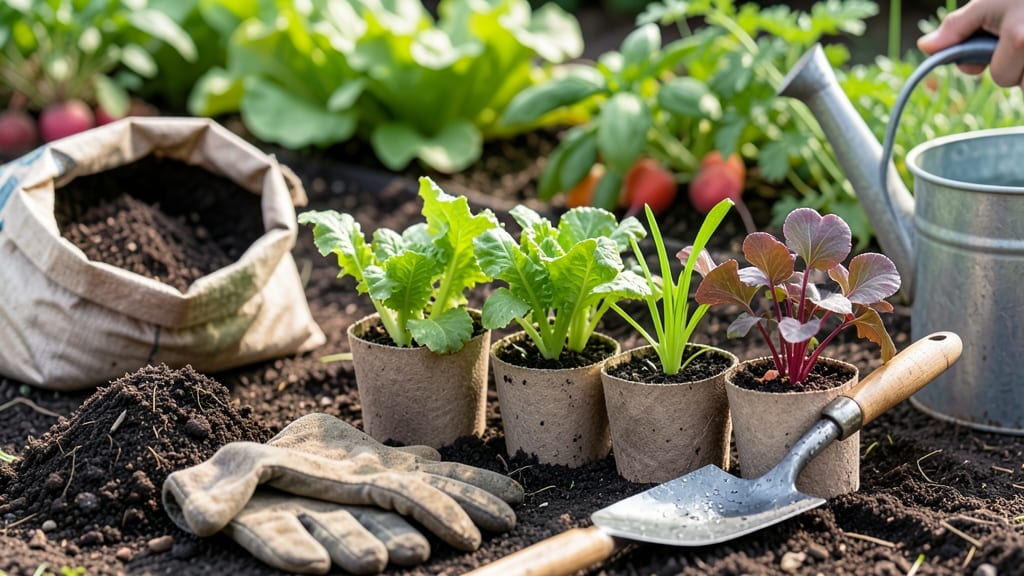
Garden soil is used for providing the foundation for plant growth by offering essential nutrients, retaining moisture, and creating an optimal environment for root systems to thrive while balancing drainage and aeration for healthy cultivation.
What is garden soil used for? It’s not just dirt—it’s a living ecosystem that acts like nature’s multivitamin for your plants. 🌱 The organic matter in healthy soil breaks down to release nitrogen, phosphorus, and potassium, which are the building blocks for strong stems, vibrant blooms, and bountiful harvests. I've seen how even a small difference in soil quality can transform a struggling garden into a thriving one, especially when you tailor the mix to your plants' needs.
Beyond nutrients, soil structure matters just as much. Sandy soils drain too quickly, while clay holds water like a sponge—neither works well for most plants. The ideal garden soil strikes a balance, combining organic material with mineral particles to create pockets of air and water that roots can access.
This is why many gardeners mix in compost or aged manure: it improves both the soil's fertility and its ability to support plant life long-term.
💡 In This Article
- Key Functions of Garden Soil in Plant Nutrition
- Choosing and Improving Garden Soil for Different Plants
Key functions of garden soil in plant nutrition
Garden soil acts like a natural fertilizer factory, where microscopic organisms break down organic matter into plant-available nutrients through a process called mineralization.
When you add compost or aged leaves, these decomposers—like bacteria and fungi—convert complex compounds into nitrogen (N), phosphorus (P), and potassium (K), the trio known as NPK.
For example, a single teaspoon of healthy soil can contain billions of bacteria that release nitrogen at a rate of about 0.5-2 pounds per acre per day during active decomposition. 🌱
The soil's structure also creates a dynamic chemistry zone where roots exchange gases and absorb water. Tiny air pockets between soil particles allow oxygen to reach root cells, while clay and silt particles hold onto water and nutrients through electrostatic charges.
This is why loamy soils—with their mix of sand, silt, and clay—are considered ideal for most plants. A perfect loam might hold 50% solids, 25% water, and 25% air by volume, creating the perfect balance for root respiration and nutrient uptake.
Micronutrients like iron, zinc, and manganese become available through this process too, though in much smaller quantities. For instance, iron deficiency in plants often appears as yellowing between leaf veins, but adding chelated iron to the soil can correct this within 2-4 weeks.
The soil's pH level determines how accessible these micronutrients are—most plants prefer a slightly acidic range of 6.0-7.0, where iron and manganese are most soluble. 💧
Another critical function is soil's role in water regulation. Organic matter acts like a sponge, holding 3-5 times its weight in water while still allowing excess to drain. This moisture retention is especially vital during droughts, where plants with deep root systems can access water stored in the soil profile.
Without this capacity, even nutrient-rich soil would dry out quickly, leaving roots struggling to absorb what they need.
What's fascinating is how soil microbes also protect plants from pathogens. Beneficial bacteria like Pseudomonas fluorescens produce compounds that suppress harmful fungi, creating a natural defense system.
This biological activity is why healthy soil often leads to fewer plant diseases—it's not just about feeding the plants, but creating an ecosystem where they can thrive without constant intervention. 🌿
The soil's ability to buffer against extreme pH changes is another often-overlooked function. When you add acidic compost or lime, the soil's mineral content acts like a chemical sponge, gradually neutralizing spikes that could harm plant roots.
This buffering capacity is why even slightly amended soil can support a wider variety of plants than unmodified native soil. 🌎