
Tools
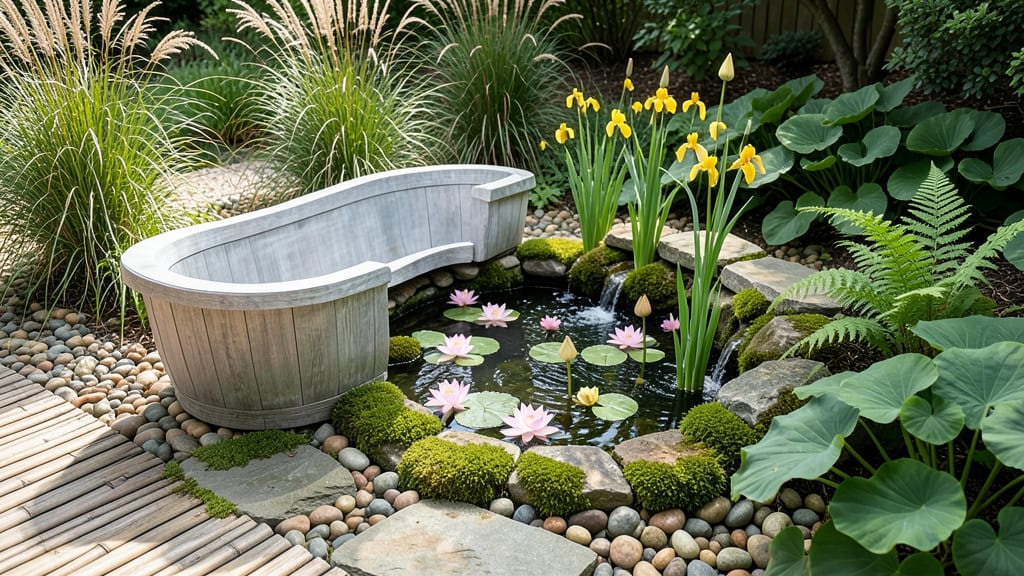
A garden bath is an outdoor soaking tub designed to immerse you in nature, using natural materials like stone, wood, or recycled plastics while blending seamlessly into a landscaped garden. It creates a tranquil, eco-friendly bathing experience by integrating plants and minimizing chemical treatments—unlike traditional indoor baths.
A garden bath transforms bathing into a sensory experience by surrounding you with greenery and natural elements. 🌿 Unlike standard tubs, these installations often feature organic shapes, earthy textures, and even aquatic plants that thrive in the water, creating a self-sustaining ecosystem.
Many designs incorporate rainwater collection systems or solar heating, reducing reliance on municipal resources while enhancing relaxation through temperature regulation and mineral-rich soaks.
What sets them apart is their intentional placement—often in sunlit or shaded spots with privacy screens like bamboo or hedges. The combination of natural materials, plant integration, and outdoor immersion makes garden baths ideal for reducing stress and promoting skin health through organic soaking solutions.
It's not just about the bath; it's about becoming part of the garden itself.
💡 In This Article
- Design Elements That Define a Garden Bath
- Therapeutic and Environmental Benefits of Outdoor Soaking
Design elements that define a garden bath
A garden bath stands out from traditional tubs through its use of natural, non-toxic materials that harmonize with the landscape.
Unlike acrylic or porcelain indoor tubs, these installations often feature locally sourced stone (like slate or flagstone), cedar or teak wood for durability, or even recycled rubber liners that resist algae growth.
The shapes are organic—think freeform curves or sunken basins rather than rigid rectangular forms—mimicking natural water features like ponds or hot springs.
The placement of a garden bath is strategic: it's designed to capture optimal sunlight exposure (typically 4-6 hours daily) for natural heating, while also providing privacy through strategic landscaping. Privacy screens might include bamboo windbreaks, drought-resistant shrubs, or even living walls with climbing vines.
Water sources often diverge from municipal supply—many systems incorporate rainwater collection with filtration or well water with mineral-rich properties that benefit skin and hair.
Plant integration is where garden baths truly become an ecosystem. Many designs include aquatic plants like water lilies or rushes that thrive in the tub's water, creating a self-cleaning environment by absorbing nitrates.
The surrounding borders often feature native, low-maintenance plants that require minimal watering once established, reducing the bath's overall ecological footprint. This living integration transforms the bath into a microhabitat that supports local wildlife while enhancing the soaking experience.
Temperature regulation is another defining feature. Without the energy demands of indoor heating systems, garden baths often use solar-powered water heaters or geothermal heat exchange to maintain water between 85-95°F—ideal for muscle relaxation.
The natural insulation provided by surrounding earth and plants helps maintain this temperature with minimal energy input, unlike conventional baths that rely on constant heating.
Sensory immersion is built into every design choice. The textural contrast between smooth stone and rough bark edges, the aroma of crushed herbs planted nearby, and the sound of water gently lapping against organic materials create a multi-sensory experience that traditional baths simply can't replicate.
Even the water itself becomes part of the garden's ecosystem, with some designs incorporating natural mineral springs or ionized water systems for enhanced therapeutic benefits.
Consider these key design variations that set garden baths apart:
- Material palette: Stone (granite, slate), wood (cedar, teak), or recycled composites with UV resistance
- Water source options: Rainwater collection (with 0.5-1 micron filtration), well water, or connected to existing irrigation systems
- Plant integration levels: Basic borders to full aquatic ecosystems with fish and amphibians
- Heating methods: Solar thermal, geothermal, or passive earth insulation
- Privacy solutions: Living screens, trellises with climbing plants, or strategic tree placement
The result is a bathing experience that feels like a ritual rather than a chore—where every element, from the temperature of the water to the scent of surrounding herbs, works together to create a space that nurtures both body and mind. 🌿