
Size
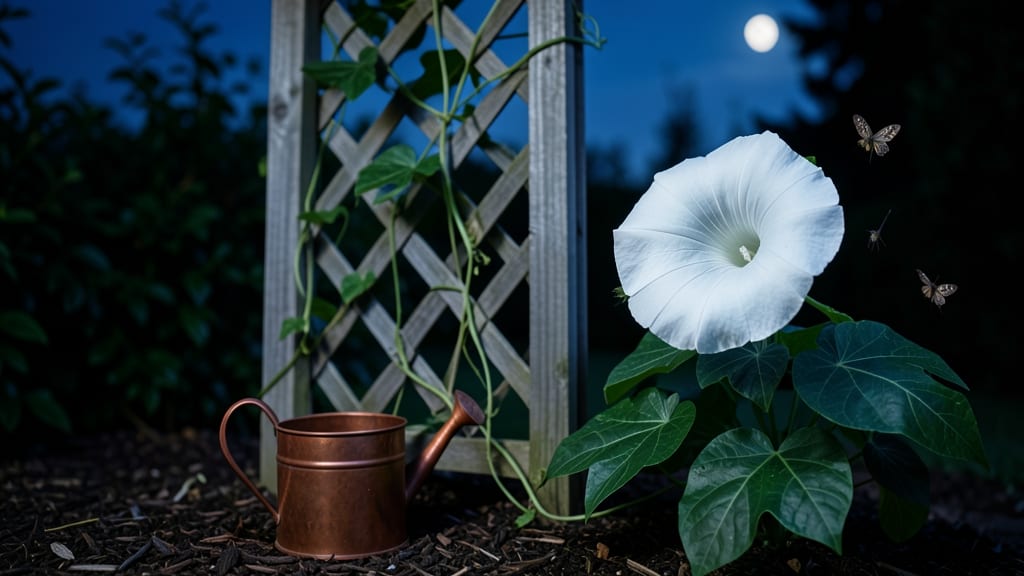
A night owl can grow a garden by focusing on shade-tolerant plants like ferns, hostas, and calatheas, while using artificial grow lights for timing-sensitive crops such as lettuce, spinach, and radishes. Succulents and snake plants also thrive in lower light conditions, making them ideal for evening gardening.
A night owl gardener doesn't need bright sunlight to create a thriving space. 🌙 Instead of struggling with daytime plants, you can cultivate foliage-focused species that actually prefer indirect or filtered light.
These plants often have broad leaves that efficiently capture scattered light, like the lush fronds of ferns or the patterned foliage of hostas. The key is matching plant types to your light availability—whether that's a north-facing window, shaded patio, or even a basement with grow lights.
Artificial lighting becomes your best friend for leafy greens and quick-growing crops, letting you extend your gardening hours well into the night.
What's especially clever about night owl gardening is how it works with natural circadian rhythms.
Many shade-tolerant plants actually grow more slowly in bright light to avoid stress, making them perfect for evening care routines. 🌱 This approach also opens doors to creative container gardening on balconies or indoors, where you can experiment with microclimates that daytime gardeners might overlook.
The secret isn't fighting your natural schedule—it's working with it by selecting plants that match your available light and time.
💡 In This Article
- Best Low-Light Plants for Night Owl Gardening
- Creating a Nighttime Garden: Lighting and Care Tips
Best low-light plants for night owl gardening
The key to successful night owl gardening lies in selecting plants with specialized adaptations for low-light conditions. These species have evolved to thrive where direct sunlight is limited, often developing broader leaves with larger surface areas to capture scattered light more efficiently.
For example, ferns like the Boston fern (Nephrolepis exaltata) have delicate, feathery fronds that maximize light absorption while conserving water—ideal for indoor environments where humidity fluctuates. Their leaf structure creates a natural microclimate that retains moisture longer, reducing the need for frequent watering during evening care routines.
Hostas (Hosta spp.) are another excellent choice, thanks to their thick, waxy leaves that reflect light downward toward new growth. This adaptation allows them to grow well under tree canopies or in north-facing containers where sunlight is indirect.
What's fascinating is how hostas actually grow more slowly in bright light to prevent stress—a perfect match for night owls who prefer a more relaxed gardening pace. 🌿 These plants also produce striking variegated foliage, adding visual interest without requiring intense sunlight.
Calatheas (Calathea spp.) take this a step further with their patterned leaves that move throughout the day (a process called nyctinasty), helping them optimize light exposure even in dim conditions.
Succulents like snake plants (Sansevieria trifasciata) and ZZ plants (Zamioculcas zamiifolia) are night owl superstars because they store water in their leaves, allowing them to survive long periods with minimal light.
Their slow growth rate makes them low-maintenance companions for evening gardeners who might not tend to plants daily. The trade-off? They require well-draining soil to prevent root rot—a crucial consideration when watering schedules shift to cooler nighttime hours.
These plants also release oxygen at night through a process called crassulacean acid metabolism (CAM), making them beneficial for indoor air quality during your active hours.
For those who want to grow edible crops, leafy greens like spinach (Spinacia oleracea) and lettuce (Lactuca sativa) are excellent candidates when paired with artificial grow lights.
Their shallow root systems allow them to absorb nutrients quickly, making them ideal for container gardening on balconies or windowsills. The secret here is using blue spectrum LED lights (around 400-500 nm) which mimic natural daylight and promote healthy leaf growth without excessive heat.
Radishes (Raphanus sativus) are another fast-growing option that thrives under these conditions, reaching harvestable size in just 3-4 weeks when given consistent light.
When selecting plants, consider their natural growing habits too. Epiphytes like some orchids or philodendrons grow naturally in shaded forest understories, while others like pothos (Epipremnum aureum) have aerial roots that help them cling to surfaces in low-light environments.
The texture of these plants often gives clues about their care needs—thick, leathery leaves usually indicate drought tolerance, while softer foliage suggests higher humidity requirements. This diversity means night owls can create layered gardens that combine both aesthetic appeal and functional adaptations to their lighting conditions.
One common misconception is that all low-light plants require the same care. In reality, their water needs vary dramatically. For instance, ferns prefer consistently moist soil, while snake plants can go weeks without watering.
Understanding these differences allows you to group plants with similar needs together, creating maintenance zones that fit your evening schedule. The result? A garden that thrives on your terms, not someone else's daylight routine. 🌙