
Pruning
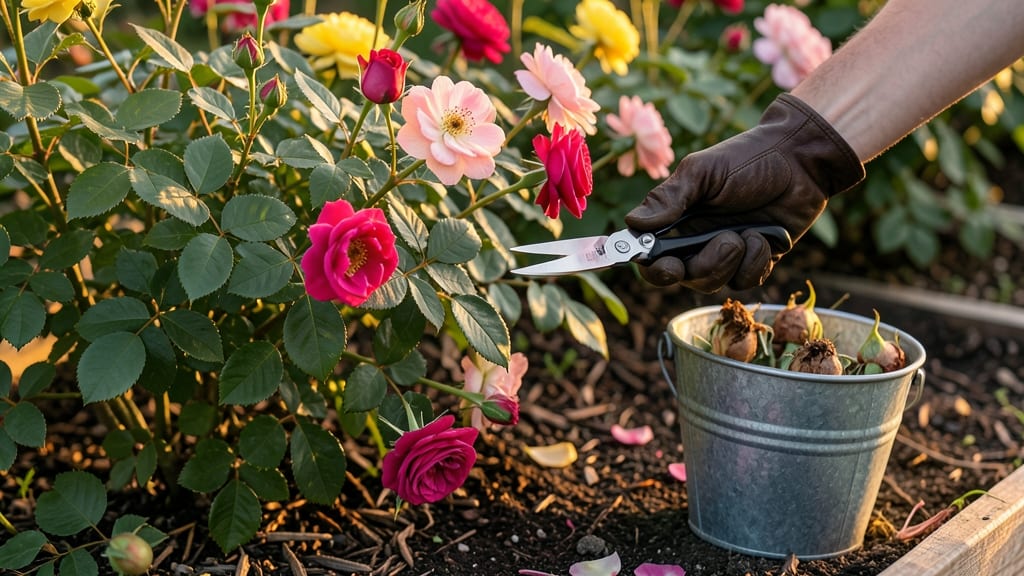
Deadheading in gardening means removing spent or faded flowers to encourage new blooms, extend flowering seasons, and redirect plant energy into growth rather than seed production. This simple pruning technique boosts plant health and aesthetics.
Deadheading is essentially giving your plants a little nudge to keep producing flowers instead of wasting energy creating seeds. 🌸 When you snip off those wilted blooms, you're not just tidying up—you're signaling the plant to focus its resources on growing more stems and leaves, which leads to stronger plants and longer flowering periods.
I've found that plants like zinnias and petunias respond dramatically to regular deadheading, often reblooming within days.
This technique works best when done consistently, especially during peak bloom seasons. The key is to remove just the faded flower head, leaving the leafy growth intact.
For example, with roses, you'll want to cut back to the first set of five leaves below the bloom, while with annuals like marigolds, a simple pinch is all that's needed. The goal is to maintain the plant's shape while encouraging it to put out fresh growth.
Timing matters too—morning deadheading is ideal because it gives any cuts time to dry before evening dew sets in. Plus, it's a great way to keep your garden looking its best while maximizing the visual impact of your flowering plants. 🌿
💡 In This Article
- How Deadheading Boosts Flowering Plants
- Best Deadheading Practices for Different Plant Types
How deadheading boosts flowering plants
When you deadhead a flower, you're essentially interrupting its natural reproductive cycle. Most flowering plants produce blooms that eventually fade as they shift energy from petals to seed development. The plant's growth hormones, called auxins, concentrate in the developing seed pods, which signals the plant to stop producing new flowers.
By removing these spent blooms, you eliminate this hormonal signal and redirect the plant's energy toward leaf and stem growth instead.
This redirection creates a feedback loop: more leaves mean more photosynthesis, which generates more energy for the plant to produce additional flower buds. For example, petunias and zinnias can produce 50-70% more blooms when deadheaded regularly compared to plants left to seed naturally.
The key is timing—removing flowers just as they begin to wilt prevents the plant from investing energy in seed formation while still allowing enough time for photosynthesis to continue in the remaining foliage.
Deadheading also improves plant health by preventing disease. Fading flowers often become entry points for fungal spores and bacteria, which can spread to healthy parts of the plant. Removing these spent blooms reduces the risk of infection, particularly in dense foliage like roses or hydrangeas.
The physical act of deadheading—using clean, sharp pruners—also helps maintain good air circulation, which further protects against fungal issues like powdery mildew.
Different plants respond best to specific deadheading techniques. For instance, roses benefit from cutting back to the first five-leaf cluster below the bloom (the "five-leaflet leaf"), while annuals like marigolds can be pinched back with your fingers.
This precision matters because over-pruning can stress the plant, while under-pruning leaves too many spent blooms that drain energy. The goal is to strike a balance that keeps the plant flowering without sacrificing its structural integrity.
What most gardeners don't realize is that deadheading can also influence flower color intensity. Some plants, like geraniums, produce brighter blooms when deadheaded consistently because the plant focuses its limited resources on producing vibrant petals rather than seeds.
The trade-off? You'll need to deadhead more frequently to maintain this effect, as the plant will quickly shift energy back to seed production if left unattended.
Consider this: a single petunia plant left to seed naturally might produce 20-30 blooms over its lifetime, while the same plant deadheaded weekly can yield 100+ blooms. This dramatic difference isn't just about quantity—it's also about quality.
Each new bloom benefits from the plant's full nutritional resources, resulting in larger, more vibrant flowers that last longer on the stem.