
Tools
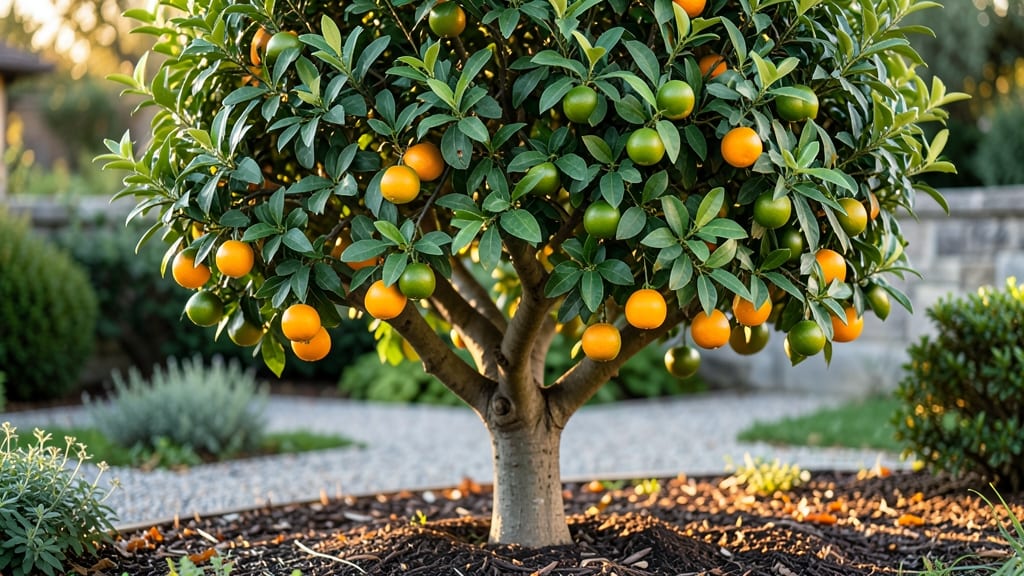
The tomato is to garden what a tree is to forest: an ecosystem anchor that provides structure, nourishment, and habitat while supporting the health of surrounding plants and wildlife.
Tomatoes act as the garden's backbone, much like trees in a forest.
Their deep roots break up compacted soil and create channels that improve drainage and water absorption for neighboring plants. 🌱 What's fascinating is how they attract pollinators like bees and hummingbirds, which then visit other flowers in your garden.
This creates a thriving food web that mirrors how forest trees support diverse wildlife through their canopy ecosystems.
Unlike trees that grow for decades, tomatoes offer a faster cycle of benefits. Their vines provide shade for smaller plants below, while their fruit feeds both humans and garden creatures.
The parallel to forests becomes clear when you consider how both systems rely on their foundational species to maintain balance and productivity.
💡 In This Article
- How Tomatoes Shape Garden Ecosystems Like Trees Shape Forests
- Key Differences: Gardening with Tomatoes vs. Forest Tree Cultivation
How tomatoes shape garden ecosystems like trees shape forests
Tomatoes create a garden's structural framework through their deep root systems, which can extend 3-5 feet into the soil—similar to how oak trees develop extensive root networks that stabilize entire forests.
These roots act like natural plows, breaking up compacted soil and creating channels that improve water infiltration. 🌱 In forests, tree roots prevent erosion by anchoring the soil, while tomato roots do the same on a smaller scale, ensuring your garden remains resilient against heavy rains or wind.
The nutrient cycling process mirrors forests too. When tomato leaves decompose or fall, they release nitrogen and organic matter back into the soil, enriching it for other plants. This is identical to how fallen leaves from forest trees create leaf litter that nourishes the forest floor.
Additionally, tomatoes produce blossoms that attract pollinators—bees, butterflies, and hummingbirds—just as forest trees support entire insect populations through their flowers and fruits.
Microclimate influence is another key parallel. A single tomato plant can lower temperatures by 5-10°F in its immediate area by providing shade, much like how a forest canopy creates cooler, more humid conditions on the ground.
This shade benefits smaller plants below, reducing water loss and protecting them from intense sunlight. 🌿 In both ecosystems, the foundational species (tomatoes or trees) create conditions that support a wider range of life.
Tomatoes also serve as a food source for wildlife, just as forest trees do. Birds and small mammals feed on fallen tomatoes, while insects feed on the plants themselves, creating a food chain. This mirrors how forest trees support everything from squirrels to deer.
The difference? Tomatoes offer these benefits on a seasonal cycle rather than the decades-long growth of trees, making their ecological impact faster and more immediate.
One fascinating detail is how tomato plants compete and cooperate simultaneously. Their vigorous growth can outcompete weeds, just as trees suppress underbrush in forests. Yet they also provide habitat for beneficial insects like ladybugs and lacewings, which prey on garden pests.
This dual role—competitor and supporter—is a core function of both tomatoes in gardens and trees in forests.
For gardeners, this means tomatoes aren't just crops—they're ecosystem engineers. By planting them strategically, you're essentially creating mini-forest structures within your garden. 🌿 The key is to mimic nature's balance: place tomatoes where they can provide shade, attract pollinators, and improve soil without overwhelming other plants.