
Advice
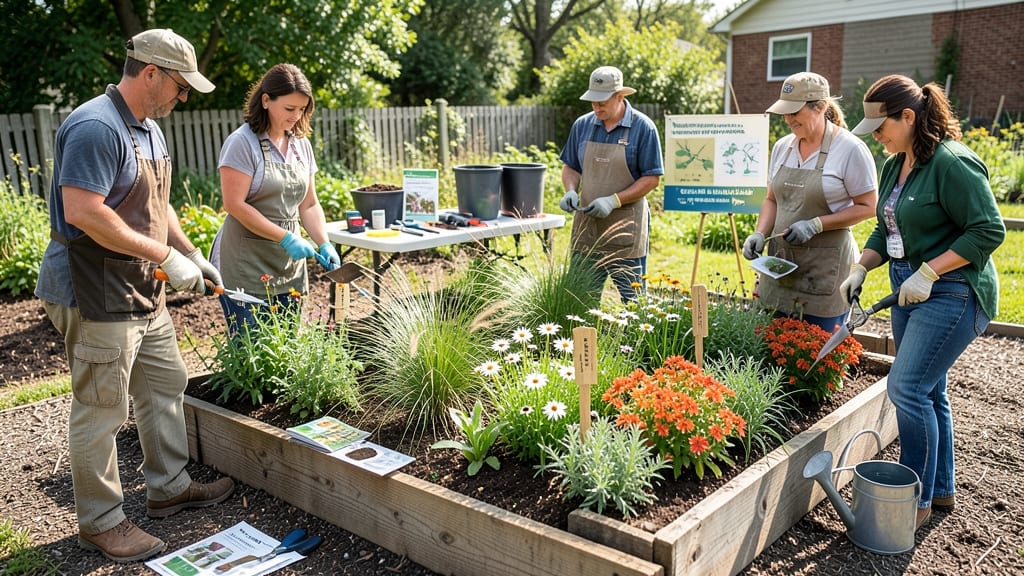
The Texas Master Gardener Program trains volunteers in horticulture, sustainable gardening, and plant science to serve their communities through education and service, offering 40+ hours of training in exchange for 50+ hours of volunteer work annually. Participants gain expertise while supporting local gardens, schools, and extension services.
The Texas Master Gardener Program transforms passionate gardeners into community leaders through hands-on education. 🌱 This initiative, backed by Texas A&M AgriLife Extension, equips volunteers with science-based techniques for pest management, soil health, and sustainable landscaping—skills that directly benefit public green spaces.
Beyond technical training, participants join a statewide network, gaining access to regional gardening projects, workshops, and mentorship opportunities that extend their expertise year after year.
What sets this program apart is its reciprocal structure: the 40+ hours of classroom instruction directly prepare volunteers for their 50+ hours of service annually.
Whether you're helping revitalize urban gardens, teaching youth about native plants, or troubleshooting plant diseases at farmers markets, your work creates measurable impact while deepening your own horticultural knowledge. The program even offers specialized tracks for those interested in advanced topics like organic gardening or pollinator conservation.
💡 In This Article
- How the Texas Master Gardener Training Program Structures Its Curriculum
- Top Benefits of Joining the Texas Master Gardener Program as a Volunteer
How the Texas Master Gardener training program structures its curriculum
The Texas Master Gardener curriculum is meticulously designed to cover six core modules, each delivering 6-8 hours of instruction through a mix of lectures, hands-on labs, and field demonstrations.
The first module dives into soil science, where participants learn to analyze soil pH (using 4.0-8.0 scales) and texture through tactile tests like the ribbon method—pinching moist soil to observe how it crumbles. 🔍 This foundational knowledge directly translates to real-world applications, like diagnosing why a tomato plant wilts despite regular watering (often a sign of compacted clay soil).
Pest management and plant pathology form another critical pillar, where volunteers study integrated pest management (IPM) techniques under microscopes to identify fungal spores and insect larvae.
For example, the class might dissect a diseased leaf to spot powdery mildew's white fungal growth or practice calculating spray volumes for 100-200 square feet of garden space.
Fieldwork includes visits to demonstration gardens where trainees practice diagnosing plant health issues using Texas A&M's Plant Disease Diagnostic Lab protocols, complete with symptom charts and treatment recommendations.
The certification process begins with a written exam covering all modules, followed by a practical demonstration where volunteers must identify three plant diseases or pests from samples. Passing requires 80% accuracy, ensuring graduates can confidently advise the public.
Regional variations exist—coastal chapters emphasize salt-tolerant plants like sea oats, while North Texas focuses on drought-resistant species such as buffalograss. These adaptations reflect Texas's diverse 13 ecological regions, from the Piney Woods to the Chihuahuan Desert.
Advanced topics like hydroponics or urban forestry are often offered as electives, allowing volunteers to specialize. For instance, the Houston chapter might host workshops on native pollinator gardens, while Austin's program focuses on water conservation techniques like drip irrigation systems.
The curriculum also includes 3 hours of ethics training, covering topics like avoiding conflicts of interest when advising commercial clients—a critical safeguard for the program's credibility.
What makes this training stand out is its hands-on ratio: for every hour of lecture, there are 1.5 hours of lab or fieldwork. This approach ensures volunteers don't just memorize facts but develop the observational skills needed to solve real gardening problems.
For example, trainees might spend 2 hours in a greenhouse learning to propagate plants from cuttings, a skill they'll later use in community gardens. The program's emphasis on science-based solutions—rather than anecdotal advice—sets it apart from casual gardening clubs.
After certification, volunteers receive a Texas Master Gardener manual (updated annually) and access to the Texas A&M AgriLife Extension database, which includes 5,000+ plant fact sheets and regional climate data.
This ongoing support ensures their knowledge stays current, whether they're advising a homeowner on pruning techniques or helping a school garden implement composting systems. The curriculum's blend of theory and practice creates volunteers who are both confident and credible in their gardening expertise.