
Tools
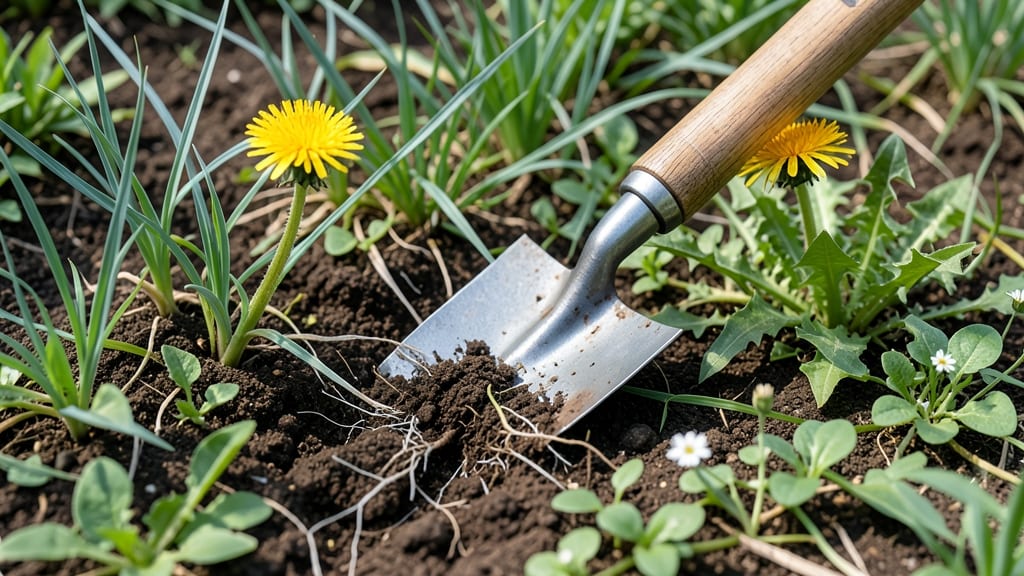
A sharp garden hoe is essential for cleanly slicing weeds at the root, digging precise trenches, or edging garden beds—its blade angle (15°–45°) and material (carbon steel, stainless, or high-carbon) directly impact performance for different soil types and gardening tasks.
A sharp garden hoe isn't just about cutting weeds—it's about efficiency. The blade's angle and material work together to make your gardening tasks easier. 🌱 For example, a steeper blade (45°) chops weeds cleanly, while a shallower angle (15°) lets you dig trenches or edge beds without disturbing nearby plants.
Carbon steel blades stay sharper longer but rust faster, while stainless steel resists corrosion but may dull quicker. I always recommend matching your hoe to the soil type—clay benefits from a heavier, sturdier blade, while sandy soil works better with a lighter, more precise tool.
Beyond the blade, the hoe's design matters too. A draw hoe is perfect for weeding in rows, while a stirrup hoe gives you more leverage for tougher jobs. For larger gardens, a warren hoe with its narrow blade is ideal for precision work.
Keeping your hoe sharp isn't just about performance—it's about saving time and reducing strain on your back. A well-maintained hoe makes gardening feel effortless, whether you're tackling weeds or prepping soil for planting.
💡 In This Article
- How Blade Angle Affects a Garden Hoe’s Performance
- Best Garden Hoe Types for Specific Gardening Tasks
How blade angle affects a garden hoe’s performance
The blade angle of a garden hoe—ranging from 15° to 45°—determines how it interacts with soil and weeds. A steeper angle (45°) creates a sharper cutting edge, perfect for chopping weeds at the base.
This angle allows the blade to slice through tough stems with minimal resistance, reducing the effort needed to pull weeds out by the roots. Think of it like a chef’s knife: a sharper edge means less pressure required to cut through fibrous materials.
On the other hand, a shallower angle (15°) is ideal for precision tasks like digging trenches or edging garden beds. This flatter blade glides beneath the soil surface, lifting dirt without disturbing nearby plants or creating messy piles.
For example, when creating a neat border around a flower bed, a 15°-angled hoe lets you skim just below the surface, leaving the soil undisturbed and the edges crisp. The trade-off? It requires more finesse and control compared to a steeper blade.
Material also plays a role in how the blade angle performs. Carbon steel blades hold their edge longer but rust quickly if not dried after use, making them ideal for heavy-duty tasks like chopping through thick weeds in damp soil. Stainless steel, while more corrosion-resistant, may dull faster in abrasive clay soil.
High-carbon steel strikes a balance—durable yet sharp enough to maintain a 45° angle for years with proper maintenance. 🔥
Edge sharpness is equally critical. A well-honed blade reduces friction against soil particles, preventing the hoe from getting stuck or bending. For instance, a 45° blade with a razor-sharp edge will slice through dandelion roots cleanly, while a dull blade will crush the stems, leaving behind regrowth.
Regular honing with a whetstone or file keeps the angle precise, ensuring the hoe performs as intended whether you're weeding, tilling, or edging.
Consider the soil type too. In clay-heavy soil, a 30°-45° angle with a heavier blade prevents bending, while sandy soil benefits from a lighter, 15°-25° blade that glides effortlessly. The right angle reduces fatigue—no more wrestling with a tool that digs in or skips over stubborn weeds.
For instance, a warren hoe with its 30° angle is perfect for rocky or compacted soil, where precision and control are key.
Finally, the blade’s angle affects durability. A 45° angle distributes force more evenly, reducing stress on the blade’s edge, while a 15° angle requires careful handling to avoid rolling or bending.
Over time, frequent use in tough conditions (like wet clay) can wear down a shallow-angle blade faster than a steeper one. This is why many gardeners opt for a 30°-45° angle as a versatile middle ground for most tasks.