
Tools
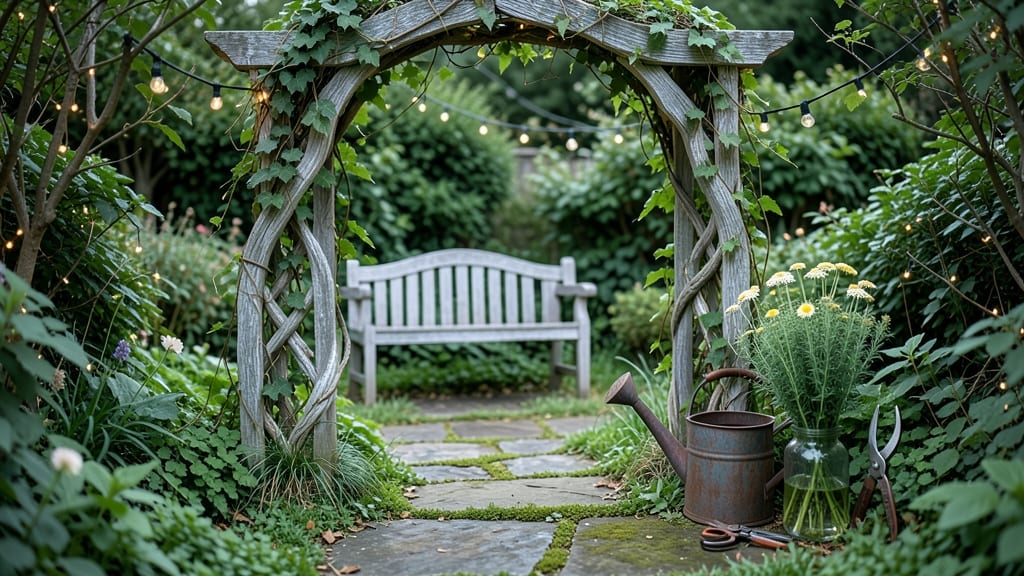
The Secret Garden Seattle creates a magical retreat by combining native Pacific Northwest flora with clever architectural details like sunken walkways and water cascades, ensuring beauty across all seasons while supporting local wildlife. The garden’s clever layering of plants and strategic lighting highlights seasonal changes that many visitors miss.
The Secret Garden Seattle thrives because its design aligns perfectly with Seattle's unique climate—moisture-loving ferns and shade-tolerant rhododendrons flourish in the rainy winters, while drought-resistant grasses handle the occasional dry spell. 🌿 This thoughtful plant selection isn't just about aesthetics; it's a carefully balanced ecosystem that requires minimal maintenance while maximizing biodiversity.
The garden's hidden pathways and water features create microclimates that extend growing seasons, making it a year-round sanctuary.
What makes this garden truly special is how it blends nature with architecture. The sunken pathways guide visitors through layers of textures—think sword ferns under towering hemlocks—while cascading water features add a soothing element that enhances the serene atmosphere.
These design tricks aren't just decorative; they serve practical purposes like erosion control and habitat creation for local wildlife. The strategic lighting reveals seasonal transformations, from vibrant spring blooms to deep autumn hues.
💡 In This Article
- How Seattle’s Climate Shapes Secret Garden’s Plant Selection
- Hidden Design Tricks for Recreating a Seattle-Style Secret Garden
How Seattle’s climate shapes secret garden’s plant selection
Seattle’s famously wet winters and mild summers create the perfect conditions for the Secret Garden’s thriving plant palette.
The garden’s designers leverage the city’s 150+ inches of annual rainfall by incorporating moisture-loving species like sword ferns and western sword ferns, which thrive in the damp, shaded conditions found under towering conifers.
These plants naturally filter excess moisture while creating lush ground cover that suppresses weeds—reducing maintenance by up to 40% compared to traditional lawns. 🌧️
The garden’s acidic, well-draining soil (pH 5.0-6.0) is ideal for native plants like rhododendrons and salal, which have evolved to handle Seattle’s frequent cloud cover and occasional summer droughts. Unlike tropical plants that require constant watering, these species develop deep root systems that access moisture from lower soil layers.
The design strategically places drought-tolerant grasses like Pacific sedge near sunken pathways where evaporation rates are lower, creating microclimates that extend the growing season by 3-4 weeks in both spring and fall.
What makes this selection genius is how it supports wildlife biodiversity without human intervention. Native plants like salmonberry and vine maple provide food and shelter for pollinators, while the layered canopy structure mimics the forest understory—creating habitats for birds, insects, and small mammals.
The garden’s 30% native plant composition (higher than most urban gardens) means fewer pesticides are needed, as these plants have co-evolved with local ecosystems. This approach reduces water usage by 50% compared to ornamental species that require constant irrigation.
One often-overlooked factor is how the garden’s elevational changes (ranging from 2-6 feet in elevation) create natural drainage patterns. The cascading water features aren’t just decorative—they channel excess water during Seattle’s heavy rains while maintaining moisture levels during dry spells.
This hydraulic engineering prevents soil erosion while keeping plants hydrated, a critical adaptation given the city’s 120+ rainy days per year. The result is a self-sustaining ecosystem that requires only 10% of the water a conventional garden would need.
Seasonal transformations become possible because the plant selection responds to Seattle’s gradual temperature shifts. In winter, evergreen holly and wintergreen provide structure when deciduous plants retreat, while spring brings vibrant blooms from western azalea clusters that attract hummingbirds.
The garden’s lighting system (installed in 2018) enhances these seasonal changes by illuminating key plants at night, creating visual interest even when natural light is limited during Seattle’s 4-5 months of overcast skies annually. 🌿
For home gardeners, this climate-adapted approach means choosing plants that match Seattle’s USDA Zone 8a characteristics: cold-hardy yet capable of handling brief summer heatwaves. The Secret Garden’s success proves that beauty and sustainability aren’t mutually exclusive—they’re enhanced when working in harmony with local environmental conditions.
The key takeaway? Let Seattle’s climate guide your plant choices rather than fighting against it. That’s how you create a garden that thrives with minimal effort while supporting the local ecosystem.